
Unbiased headlines. Facts, not spin.
Every story is an unbiased news briefing written from 110+ sources across the spectrum — sources linked so you can verify it yourself.
 energy
Major Story (7/10)
July 15, 2026 at 07:05 AM
energy
Major Story (7/10)
July 15, 2026 at 07:05 AM
China Drained 41 Million Barrels From Storage in June Instead of Buying Crude, IEA Says
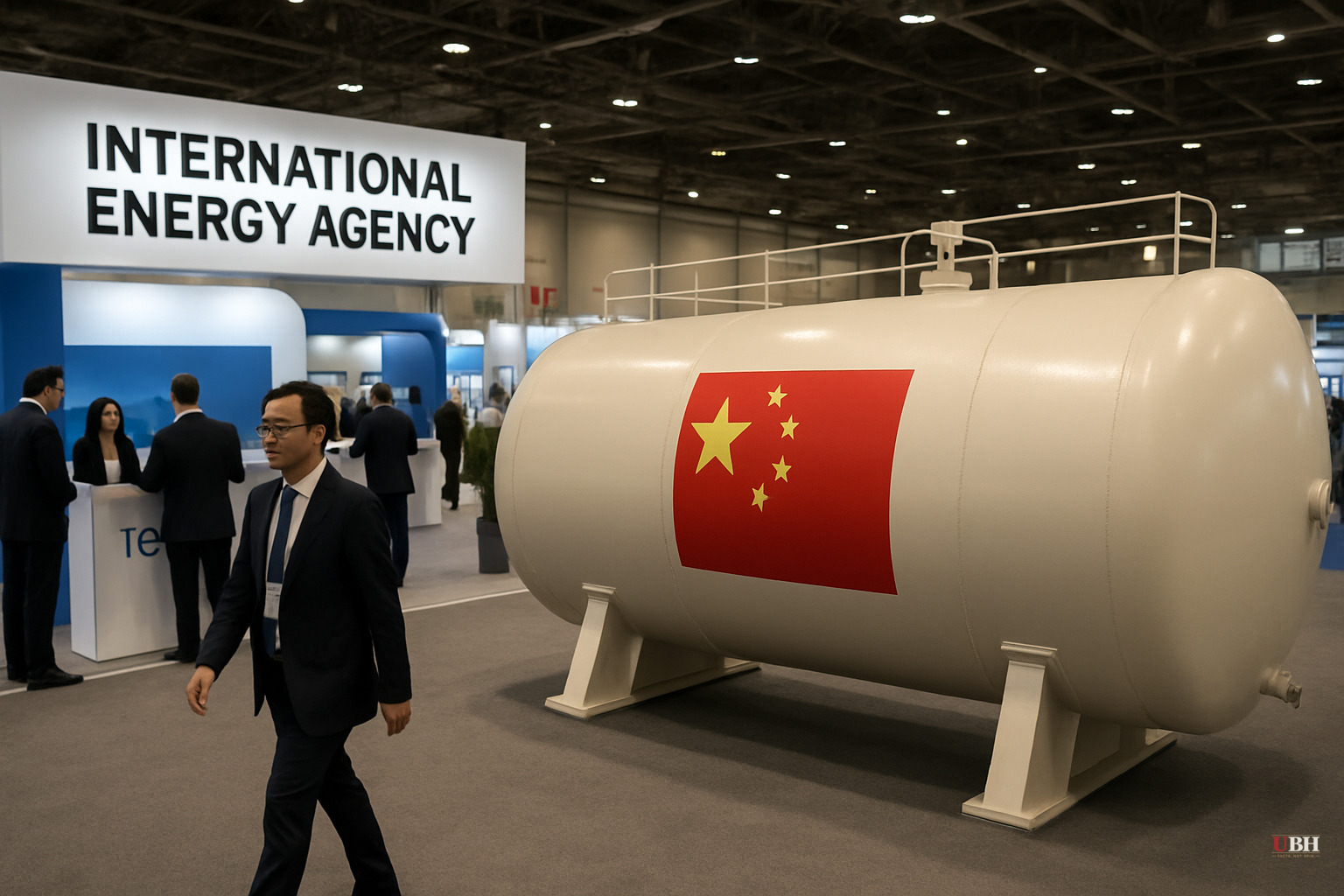
China spent 2025 quietly filling its tanks. In June, it spent that stockpile down instead of buying more, and that decision reshaped global oil pricing more than anything happening in the Persian Gulf.
The International Energy Agency estimates China drew about 41 million barrels from crude inventories in June, one of the largest monthly stock draws IEA has on record. That's the mechanism behind a trend flagged in recent OilPrice.com reporting: China's refinery runs have crashed toward pandemic-era lows even as the country kept its factories and cars fueled.
The U.S. Energy Information Administration says China spent much of 2025 buying roughly 900,000 barrels per day for strategic and commercial storage, loading up whenever prices softened. When the Israel-Iran conflict spiked Middle Eastern crude prices, Chinese refiners didn't chase the market. They drew down what they'd already stockpiled and let imports fall instead.
Kpler, the commodities data firm, estimated in late May that Chinese seaborne crude imports had fallen to 6.78 million barrels per day, the lowest in nearly a decade, down from 8.5 million bpd in April and well below the 2025 average of 10.66 million bpd. Refinery intake barely budged by comparison. Kpler later revised its May import estimate to about 6.7 million bpd in a July analysis, roughly 4.4 million bpd below the first-quarter average, while refinery runs fell only 1.8 million bpd year-over-year to about 13.1 million bpd. The gap between what refiners bought and what they processed had to come from somewhere. It came from storage.
The numbers show a split strategy inside China's system. Kpler found that commercial refinery inventories fell by 15 million barrels during the conflict, while China's government-controlled strategic petroleum reserves actually grew by 8 million barrels over the same stretch. Beijing protected its own strategic cushion and let private and state refiners burn through their working stock instead.
This distinction matters for critics of opaque Chinese energy data. This isn't a case of Beijing bluffing through a crisis with empty tanks. The state reserve grew. The commercial side absorbed the pain. Independent "teapot" refiners, the small private operators that make up a large share of China's refining capacity, cut operating rates as weak margins, softening fuel demand, and higher crude costs squeezed profitability, according to Reuters reporting on the sector. Some of those refiners shifted purchases toward discounted Gulf grades and delayed Iranian cargo pickups, leaving millions of barrels floating offshore without immediate buyers.
The pricing fallout hit Saudi Arabia hardest. With China largely out of the market, more Gulf crude was available to Europe, India, and the rest of Asia right when traders were bracing for a supply shock from the Iran conflict. Saudi Aramco responded by cutting the price of its benchmark Arab Light grade to Asian buyers by $4 per barrel for June-loading cargoes, another $6 cut for July, and a further $11 cut for August, according to Kpler's analysis. That left Arab Light at a $1.50-per-barrel discount to the Oman-Dubai benchmark, an unusual position for Saudi Arabia's flagship export grade.
China's buyers didn't disappear entirely; they got choosier. Reuters reported that privately owned Shenghong Petrochemical bought roughly 12 million barrels of Iraqi, Abu Dhabi, and Saudi crude for July arrival after Gulf producers cut prices during the short-lived U.S.-Iran ceasefire. That's opportunistic buying, not a return to normal import volumes.
China didn't dodge a crisis through some hidden strength. It's simpler: China had built a large enough buffer in 2025 to skip a year's worth of expensive Gulf purchases during exactly the window when prices spiked. Kpler estimated that as of May, Chinese refiners still held more than 300 million barrels in refinery storage, enough to cover the import shortfall for another 60 to 75 days without buying more.
That buffer isn't infinite. If refinery stockpiles keep falling while strategic reserves hold flat, China eventually has to come back to the import market to rebuild working inventory, and that's the scenario oil traders are now watching. The IEA and EIA haven't published a forecast for when that restocking wave hits, but the math is straightforward: 41 million barrels drawn down in a single month is not a sustainable running rate. Whether Beijing resumes buying at 2025's pace of roughly 900,000 bpd for storage, or lets commercial inventories run leaner permanently, will do more to move oil prices over the next two quarters than anything OPEC+ decides at its next meeting.
Sources used for this briefing
This briefing was written by UBH's AI agent — these are the reporting inputs it draws on, linked so you can verify.


