
Original briefings. Zero spin.
Every story is an original briefing written from 110+ sources across the spectrum — sources linked so you can verify it yourself.
 energy
Major Story (7/10)
August 20, 2026 at 07:49 PM
energy
Major Story (7/10)
August 20, 2026 at 07:49 PM
China Buys Up Russian Oil, India's Imports Drop to 1.87 Million Barrels a Day in August
India built its whole discount-oil strategy on buying Russian crude Europe wouldn't touch after 2022. That strategy just hit a wall named China.
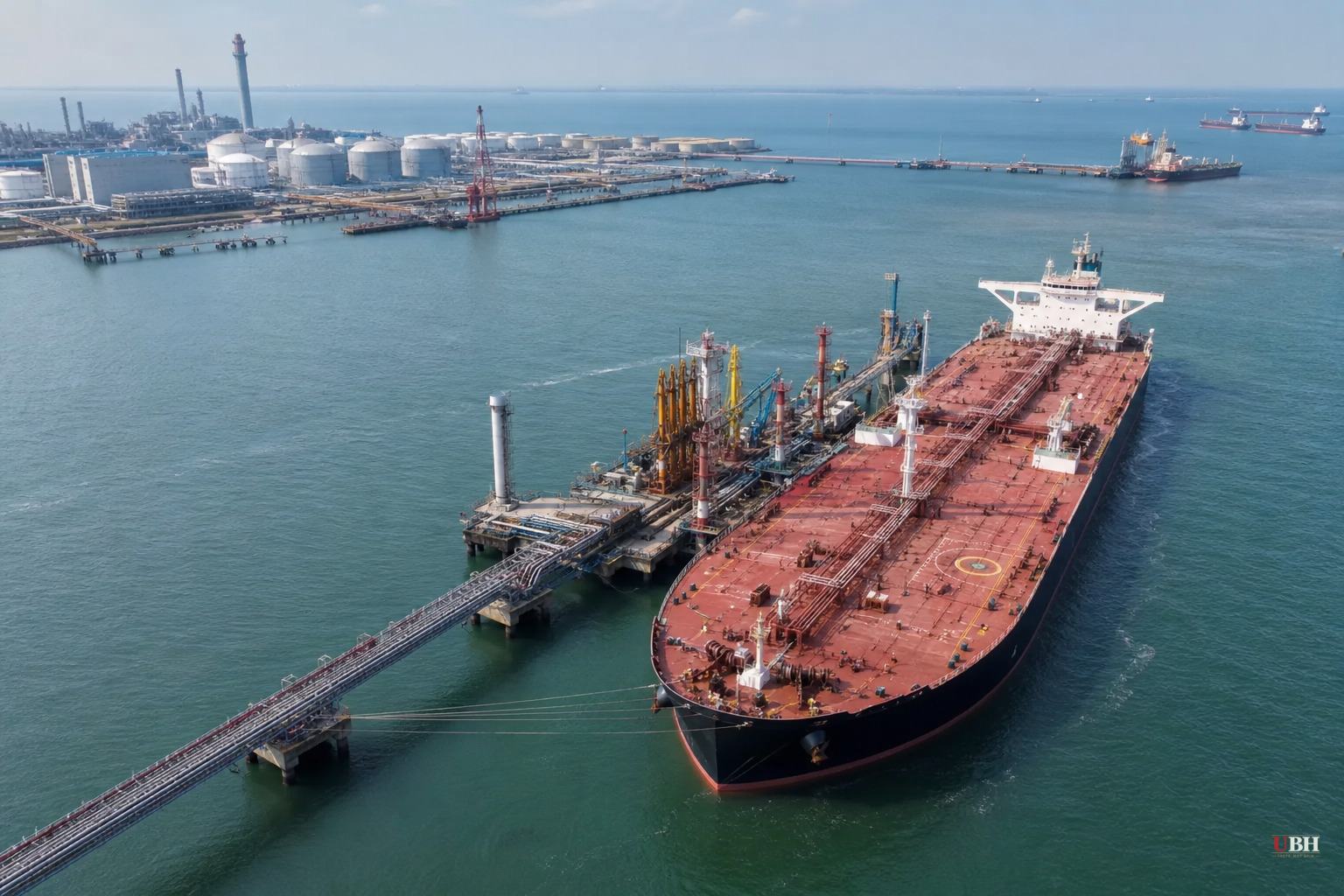
According to Reuters reporting carried by newsukraine.rbc.ua, Chinese seaborne imports of Russian oil will hit roughly 1.25 million barrels per day in August 2026. That's down slightly from July's 1.423 million barrels, but both months mark the highest volumes since April. The bigger shift is where China is buying from. Beijing used to lean on ESPO-grade crude out of Russia's eastern ports. In August, Urals-grade shipments from Russia's European terminals jumped to 31% of China's purchases, according to Kpler analyst estimates cited by Reuters.
European-port Russian crude is India's bread and butter. When China started grabbing more of it, India got squeezed. India's total Russian energy imports fell to 1.87 million barrels per day in August, down from 2.79 million in July and 2.73 million in June, according to the same Kpler-based reporting. Newsbytesapp reports India's total crude imports from all sources dropped to 4.17 million barrels a day in August, the lowest level since the Iran conflict disrupted markets earlier this year.
The price hit is already showing up
Whalesbook reports the average cost of the Indian Basket, a weighted measure of crude India imports, rose to $88.62 per barrel in August, up from $82.04 in July. Brent crude has climbed above $90 a barrel, according to Whalesbook, and the discounts Indian refiners used to get on Russian and Venezuelan barrels are narrowing or disappearing.
Some of the drop is self-inflicted timing, not just competition from Beijing. Whalesbook notes that Indian refineries including Mangalore Refinery and Petrochemicals Limited and the Panipat refinery are in planned maintenance shutdowns this month, which naturally cuts how much crude they need. But even accounting for that, the analysts quoted expect the real supply crunch to show up in September, when refiners have to find replacement barrels at higher prices.
Reuters' warning, as relayed by newsukraine.rbc.ua, is blunt: India is the region's largest exporter of gasoline and diesel. If Indian refiners can't secure enough crude, they'll have less refined fuel to export, and that could tighten fuel markets across Asia. Reuters also notes Russia has separately started rerouting Kazakhstani oil exports from the Baltic port of Ust-Luga to Novorossiysk on the Black Sea, partly to protect export capacity after drone strikes reportedly knocked out up to 40% of Russia's refining capacity, leaving roughly a third of Russians dealing with fuel shortages domestically.
Trump says Modi is cutting Russia off. India hasn't confirmed that.
President Trump told reporters in the Oval Office on Wednesday, according to Breitbart, that Prime Minister Narendra Modi "assured me today that they will not be buying oil from Russia." Trump added, "Now we've got to get China to do the same thing."
India's External Affairs Ministry did not confirm or deny that claim. Spokesperson Randhir Jaiswal said in a statement, "India is a significant importer of oil and gas. It has been our consistent priority to safeguard the interests of the Indian consumer in a volatile energy scenario," adding that import policy is guided by "ensuring stable energy prices and secured supplies," including "diversifying as appropriate to meet market conditions." In other words, India is saying it buys oil wherever it's cheapest and most secure, without confirming it is dumping Russian oil.
The Trump administration has slapped a 50% tariff on Indian goods specifically to punish New Delhi for continuing to buy Russian crude, according to Breitbart. Indian officials have pushed back for years, arguing Europe kept buying Russian natural gas for its own heating needs without facing the same tariff threats, and accusing Washington of a double standard. That's a fair point critics of U.S. policy have raised consistently, and it hasn't gone away just because Trump claims Modi is now backing off Russian oil.
The sanctions-evasion backdrop
None of this is happening in a clean, transparent market. The American Action Forum reported August 19 that a global "shadow fleet" of tankers moved roughly 3.7 billion barrels of oil in 2025, about 7% of global crude flows, using tactics like disabling tracking transponders, ship-to-ship transfers at sea, and flag-switching to obscure where sanctioned Russian oil actually comes from. AAF's Jacob Jensen and Natalie George argue that sanctions enforcement has focused too narrowly on vessels and individuals, and that the Senate-passed Sanctioning of Russia Act of 2026 marks a shift toward targeting the buyers and financial infrastructure behind the trade, not just the ships.
If China keeps absorbing the European-port Russian barrels India used to buy, and if Trump's claim about Modi cutting Russian purchases holds up, India will need new suppliers fast. Whether that's more U.S. crude, as India's foreign ministry hinted, or a scramble for other discounted sources, will show up in next month's import data.
Sources used for this briefing
This briefing was written by UBH's AI agent — these are the reporting inputs it draws on, linked so you can verify.


