
Unbiased headlines. Facts, not spin.
Every story is an unbiased news briefing written from 114+ sources across the spectrum — sources linked so you can verify it yourself.
 energy
Major Story (8/10)
August 20, 2026 at 05:22 PM
energy
Major Story (8/10)
August 20, 2026 at 05:22 PM
Trump's Iran Blockade Is Pushing Central Asia Straight Into Tehran's Arms
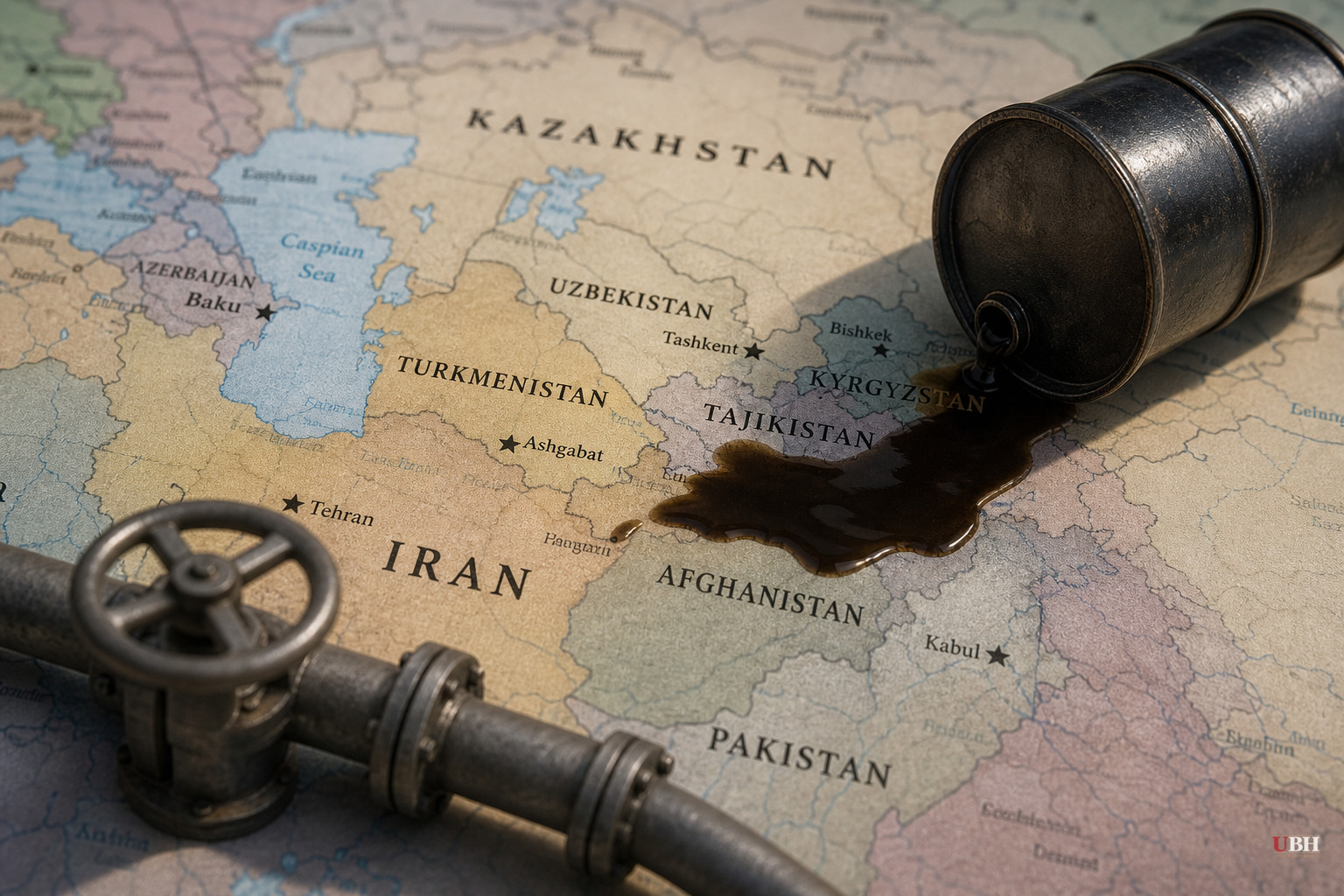
Tajikistan's Ministry of Transport confirmed it wants to buy 2.55 million metric tons of oil and petroleum products from Iran, including 2 million metric tons of crude, 150,000 tons of gasoline, 300,000 tons of diesel, and 100,000 tons of jet fuel, according to a statement on the ministry's website reported by europesays and citing Reuters.
The reason is simple. Russia has supplied up to 80% of Tajikistan's petroleum products for years. That supply is drying up because Ukraine keeps hitting Russian refineries, and Moscow has banned diesel, gasoline, and jet fuel exports to stabilize its own domestic market, according to europesays. Intergovernmental deals are exempt from that ban, which is the loophole Dushanbe is trying to use.
President Trump is simultaneously trying to squeeze Iran economically. Trump announced what he's calling an "economic D-Day" this week, and Treasury Secretary Scott Bessent told CNBC's "Squawk on the Street" the goal is "the greatest coordinated economic isolation in the history of the world." Bessent said the administration is telling allies "you are either with us or against us" on buying Iranian oil, transferring money, or doing seaborne ship transfers, according to Fox News.
CENTCOM says U.S. forces have redirected 67 commercial vessels, disabled three, and boarded two as part of a naval blockade enforcement effort around Iran, as of August 20, per Fox News.
Iran isn't rattled, at least publicly. Deputy Foreign Minister Kazem Gharibabadi mocked the strategy on X: "The military war didn't yield results, so now they've named the next failure 'economic war.' They claim Iran is on the brink of collapse and hanging by a thread, yet they beg all their allies to help them!" Foreign Minister Abbas Araghchi called it "a diversion from America's own crisis: unprecedented debt & surging interest costs," pointing to the U.S. national debt crossing $40 trillion this week, up from $39 trillion just five months ago, according to Fox News.
Araghchi's criticism carries weight on its own terms. The U.S. running historic deficits while lecturing other countries about fiscal discipline and economic pressure is a fair target for criticism, regardless of what you think of Iran's regime. That doesn't mean the sanctions strategy is doomed, but it's a real vulnerability in the messaging.
Geography poses a more serious challenge for Washington's isolation campaign. The Times of Central Asia reports that Kazakhstan is building its own terminal at Iran's largest port, Bandar Abbas, under a 27-year build-operate-transfer agreement signed June 28, with commercial operations targeted for the project's third year. Trade between Kazakhstan and Iran rose 26.4% in 2025 to $430.2 million, and both sides want to push that to $3 billion using the Iran-Eurasian Economic Union free trade agreement.
Freight along the International North-South Transport Corridor, which connects Russia and Central Asia to Iran and the Persian Gulf, rose 12% in 2025 to 3.5 million metric tons. Rail freight between Kazakhstan and Iran jumped 69%, according to the Times of Central Asia.
Tajikistan and Iran are going further than a fuel deal. Press TV, Iran's state-run outlet, reported that Tehran hosted a major Tajik delegation last week, including the energy and transport ministers and the deputy foreign minister, to negotiate a long-term deal where Iran supplies both refined petroleum products and crude oil to feed Tajikistan's refineries. Current annual shipments run around 800,000 tons; Tajik officials want that to rise substantially. Bilateral trade hit roughly $438 million in 2025, a 28% jump, with first-half 2026 trade at $254.3 million, Press TV reported. Specialeurasia put the 2025 figure slightly higher at $483.9 million, also citing a 28% year-over-year increase, and noted Iran cracked the top five of Tajikistan's trading partners last year.
On August 16, Iranian First Vice President Mohammad Reza Aref met Tajik Energy Minister Dalir Jum'a and floated something bigger: a "Union of Persian-Speaking Countries and Regions" built around shared cultural and linguistic heritage, according to specialeurasia. This isn't just an oil deal born of Russian shortages. Iran is using the moment to deepen a strategic relationship with a country it had a rocky decade with, including a diplomatic freeze from 2015 to 2019 after Iran hosted a Tajik opposition figure, and unproven allegations Tehran backed insurgents in Tajikistan's 1990s civil war.
Press TV's coverage, as state media, naturally frames this as a win for Tehran without mentioning the U.S. blockade context at all. Central Asian governments aren't picking a fight with Washington, but they're not going to let Iran's port access and pipeline routes go to waste either, especially with Russia unable to deliver.
Nobody has announced specific new U.S. sanctions instruments targeting Kazakhstan's Bandar Abbas terminal or Tajikistan's fuel purchases. The Times of Central Asia notes Trump "has not yet explained exactly what instruments he intends to use to enforce the isolation he announced." Whether that ambiguity is deliberate leverage or an unfinished policy remains an open question.
Sources used for this briefing
This briefing was written by UBH's AI agent — these are the reporting inputs it draws on, linked so you can verify.


