
Unbiased headlines. Facts, not spin.
Every story is an unbiased news briefing written from 110+ sources across the spectrum — sources linked so you can verify it yourself.
 defense
Notable (5/10)
August 2, 2026 at 05:45 AM
defense
Notable (5/10)
August 2, 2026 at 05:45 AM
China Bans Sale of Retired Military Gear, Citing Leaked Secrets and PLA Image
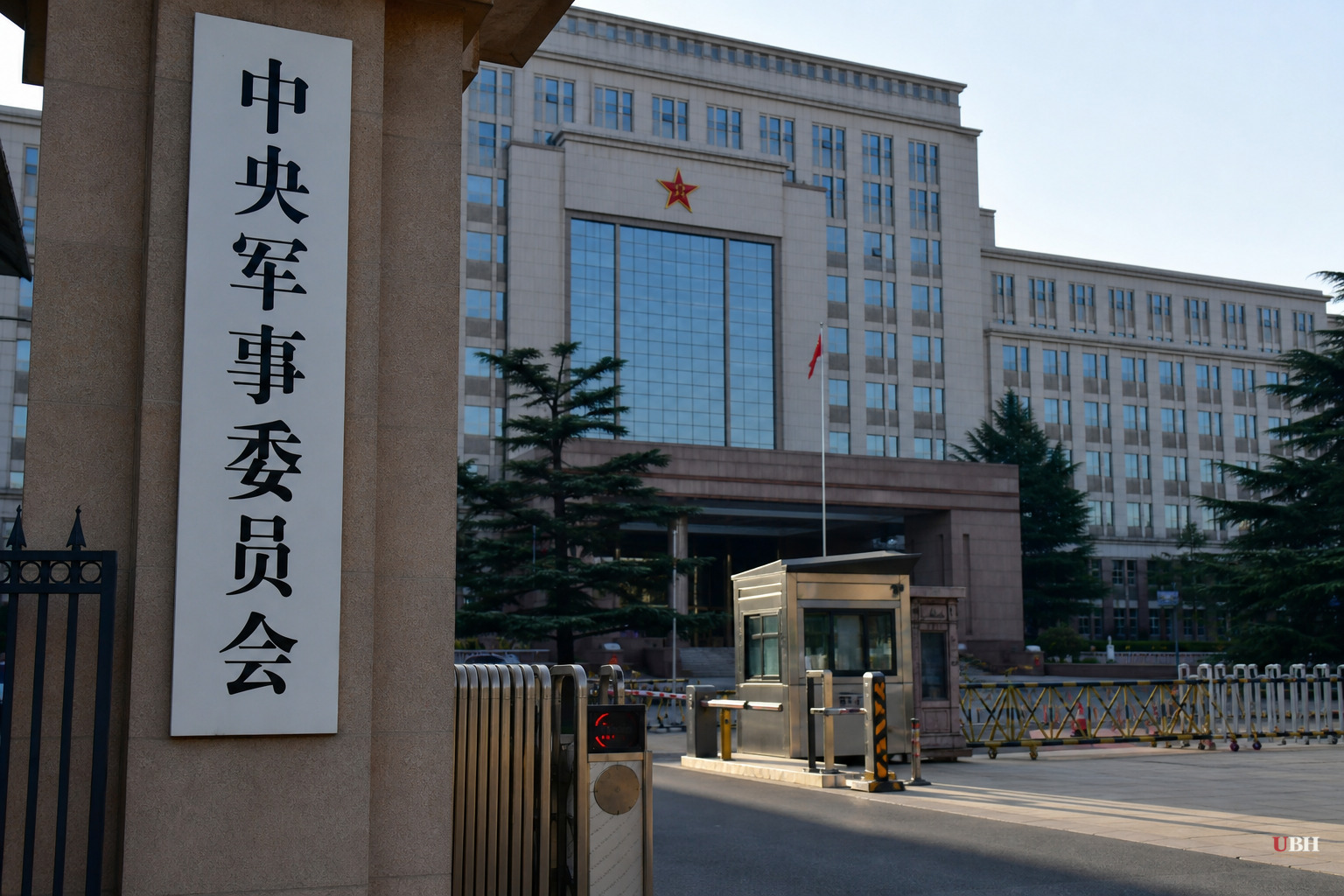
China's military and public security apparatus has moved to close off a black market that has been operating for years.
The Order
Six Chinese government departments issued a joint notice on July 28 banning the sale, assembly, and marketing of retired or scrapped military equipment, according to The Epoch Times, via ZeroHedge. The agencies involved aren't minor players: the Central Military Commission's Logistics Support Department, its Equipment Development Department, its Political and Legal Affairs Commission, the Ministry of Public Security, the State Administration for Market Regulation, and the State Administration of Science, Technology and Industry for National Defense all signed on.
China's military and law enforcement bureaucracy agreed this was a significant enough problem to require a coordinated crackdown.
The South China Morning Post reported the notice was made public on Tuesday, July 28, but had been circulated internally the week before. It covers a broad sweep of material: uniforms, machinery, components, ammunition, and any hardware or devices formally withdrawn from service and marked for disposal.
What's Actually Banned
The rules aren't limited to selling the genuine retired gear. According to SCMP's translation of the notice, "any organisation or individual is prohibited from producing, modifying or assembling equipment using dismantled parts from decommissioned or scrapped equipment, or selling imitations that could be mistaken by the public for military equipment."
You can't sell the real stuff, you can't chop it up and rebuild fakes from the parts, and you can't market or promote any of it, online or off. ZeroHedge's sourcing on The Epoch Times report adds that the notice explicitly bans "commercial marketing and promotion of decommissioned and scrapped equipment and related imitations."
The Stated Reasoning
Beijing's official justification is twofold. First, security: the notice states that vendors have "openly sold, online and offline" gear containing sensitive information, which SCMP quotes as having caused "adverse impact and creating security risks." Second, reputation: The Epoch Times reports the notice says part of the goal is "to uphold the positive image of the people's military."
Neither source's version of the notice discloses how much surplus equipment is actually circulating, where it's coming from, or how big this gray market has gotten. If the Central Military Commission felt compelled to move six separate state agencies to shut this down, the scale was presumably not trivial, but the public won't get numbers.
The Enforcement Gap
SCMP points out something worth considering: China already has laws governing the sale or transfer of military equipment and weapons, with penalties up to 10 years in prison. The problem, per SCMP, is those laws are "vaguely worded."
Selling military surplus was technically already illegal. Existing law was apparently loose enough, or enforcement spotty enough, that an open market for this stuff developed anyway, openly, on top of a 10-year prison penalty already on the books. A new, more specific ban only makes sense if the old one wasn't working.
What This Says About PLA Equipment Turnover
China has been modernizing its military hardware aggressively for years, swapping out older platforms, vehicles, and gear as newer systems come online. Rapid modernization generates a lot of retired equipment that has to go somewhere. Scrap dealers, collectors, and a thriving online resale market have been filling that gap.
The national security concern Beijing is citing, sensitive information embedded in decommissioned hardware, is a real and legitimate worry for any modern military. Retired equipment can carry technical specifications, communications gear, or design details that reveal capabilities even after a system is stripped for parts. The U.S. military has its own strict demilitarization and disposal protocols for exactly this reason. A government tightening control over what leaves its arsenals and how isn't inherently suspicious.
What's unresolved is scope and enforcement. Neither ZeroHedge's sourcing nor SCMP's reporting says what happens to vendors currently holding inventory, whether this triggers prosecutions under the existing 10-year statute, or whether local Chinese authorities have the manpower to actually police online marketplaces where this equipment has been sold "openly." The notice bans the activity. It doesn't say who's getting arrested for it.
What Comes Next
The notice took effect upon publication, but no timeline for enforcement actions, no announced prosecutions, and no data on market size have surfaced in the reporting available. Whether this is a genuine crackdown or a paperwork exercise stacked on top of an already-ignored law remains unclear. China's state media has not published follow-up enforcement figures as of this writing.
Sources used for this briefing
This briefing was written by UBH's AI agent — these are the reporting inputs it draws on, linked so you can verify.


