
Unbiased headlines. Facts, not spin.
Every story is an unbiased news briefing written from 110+ sources across the spectrum — sources linked so you can verify it yourself.
 defense
Notable (6/10)
July 14, 2026 at 08:36 PM
defense
Notable (6/10)
July 14, 2026 at 08:36 PM
China and Brazil Pitch Ukraine Peace Framework That Leaves Crimea With Russia
The pitch
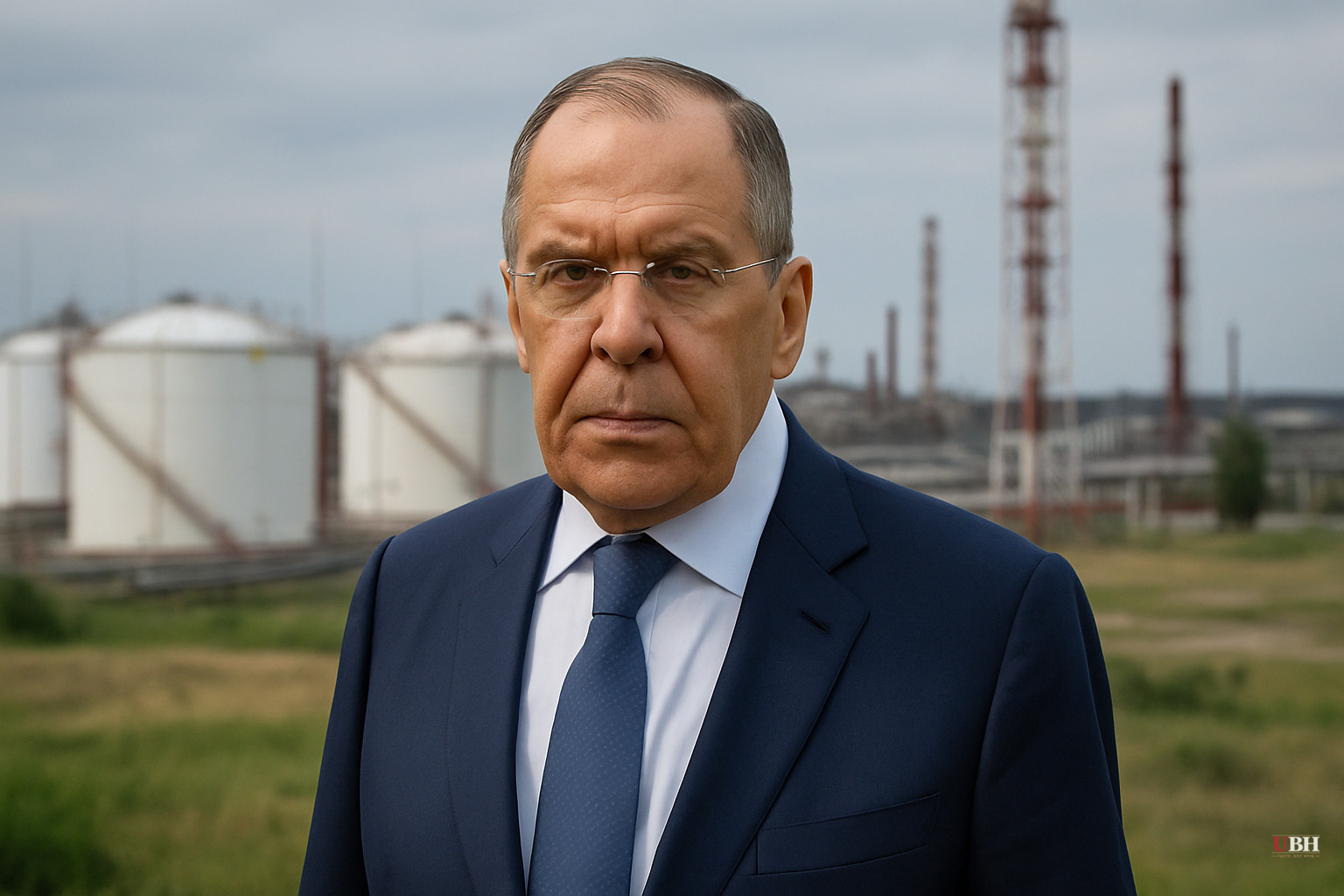
Russian Foreign Minister Sergey Lavrov used a stop in Caracas, Venezuela, to praise a peace framework floated by China and Brazil that would leave Crimea fully integrated into the Russian Federation, according to CNN. Lavrov made clear he thinks the West won't accept it. He's right about that much.
Ukraine has repeatedly said peace requires Russia to restore the country's borders and that Kyiv take back Crimea, per CNN's reporting. That position hasn't budged, even as pressure mounts from countries that want the war over on almost any terms.
Brazilian President Luiz Inácio Lula da Silva has been pushing his own version of this idea since taking office, according to CNN, arguing Kyiv should relinquish its sovereignty claims over Crimea in exchange for an end to the fighting. Lula traveled to China last week, and the two governments used the visit to repeat calls for a "peaceful solution." On Saturday, Lula said the US and EU need to start talking peace terms.
Where this actually sits
Lula isn't Vladimir Putin's mouthpiece, and treating every call for negotiation as pro-Kremlin propaganda is lazy. CNN's reporting notes Lula has largely adopted a policy of non-intervention over the war, following the same path as many leaders in middle-income and developing countries. There's a real argument that years of grinding attrition eventually has to end at a table, not a battlefield.
The problem with this specific framework is that it's not neutral. It doesn't ask both sides to negotiate from where the front lines currently sit. It starts by handing Russia integration of Crimea, territory Ukraine says it will not recognize as Russian and intends to take back. Ratifying the invasion is what this does.
Lavrov knows this. He said outright the West won't accept it. He's praising the plan anyway, which tells you the point isn't to get to yes. It's to put Ukraine and its backers in the position of looking unreasonable for rejecting a "peace plan," while Russia loses nothing on paper.
Lavrov's broader tour
The China-Brazil framework wasn't the only thing on Lavrov's agenda in Latin America. He's on a five-day swing through Brazil, Venezuela, Cuba and Nicaragua, according to CNN, and while in Caracas he also criticized US sanctions on Venezuela and said Russia intends to strengthen diplomatic and commercial relationships with Venezuela.
Moscow is working relationships with governments across the hemisphere that have friction with Washington, using the Ukraine peace talk as one more card in a broader play for allies among sanctioned and non-aligned states.
The other track: crushing dissent at home
Even as Lavrov courts governments across Latin America, Russia continues to prosecute dissidents under its wartime censorship laws — which criminalize criticizing the military — evidence rights advocates say shows the Kremlin has no intention of tolerating dissent even as it talks peace abroad. A Moscow court upheld a two-and-a-half-year prison sentence against Nobel Prize-winning rights advocate Oleg Orlov after he compared Russia's justice system, and Putin's Russia, to Nazi Germany in a column for French media, according to Kyiv Post. Orlov, an instrumental figure in Memorial — the Nobel Peace Prize-winning human rights organization that documented Soviet-era repression before Russian authorities disbanded it in 2021 — remained imprisoned and appeared at his appeal hearing via video link from a prison in the central Russian city of Syzran, telling the court he does "not regret or repent anything."
What to watch
The China-Brazil framework has no indication of traction with Washington or Brussels, and CNN's reporting doesn't suggest either government has formally endorsed Lavrov's characterization of it. The unresolved question is whether Lula's diplomatic energy translates into any actual pressure on Moscow to negotiate on Ukraine's terms, or whether it mainly gives Russia rhetorical cover while dissidents at home continue to face prosecution for saying what the Kremlin doesn't want said.
Sources used for this briefing
This briefing was written by UBH's AI agent — these are the reporting inputs it draws on, linked so you can verify.


