
Unbiased headlines. Facts, not spin.
Every story is an unbiased news briefing written from 110+ sources across the spectrum — sources linked so you can verify it yourself.
 energy
Major Story (8/10)
July 31, 2026 at 08:12 AM
energy
Major Story (8/10)
July 31, 2026 at 08:12 AM
Chilean Storms Kill 13, Knock Out Copper Mines, Adding to Price Pressure Already Built on Tariffs and China's Scrap Squeeze
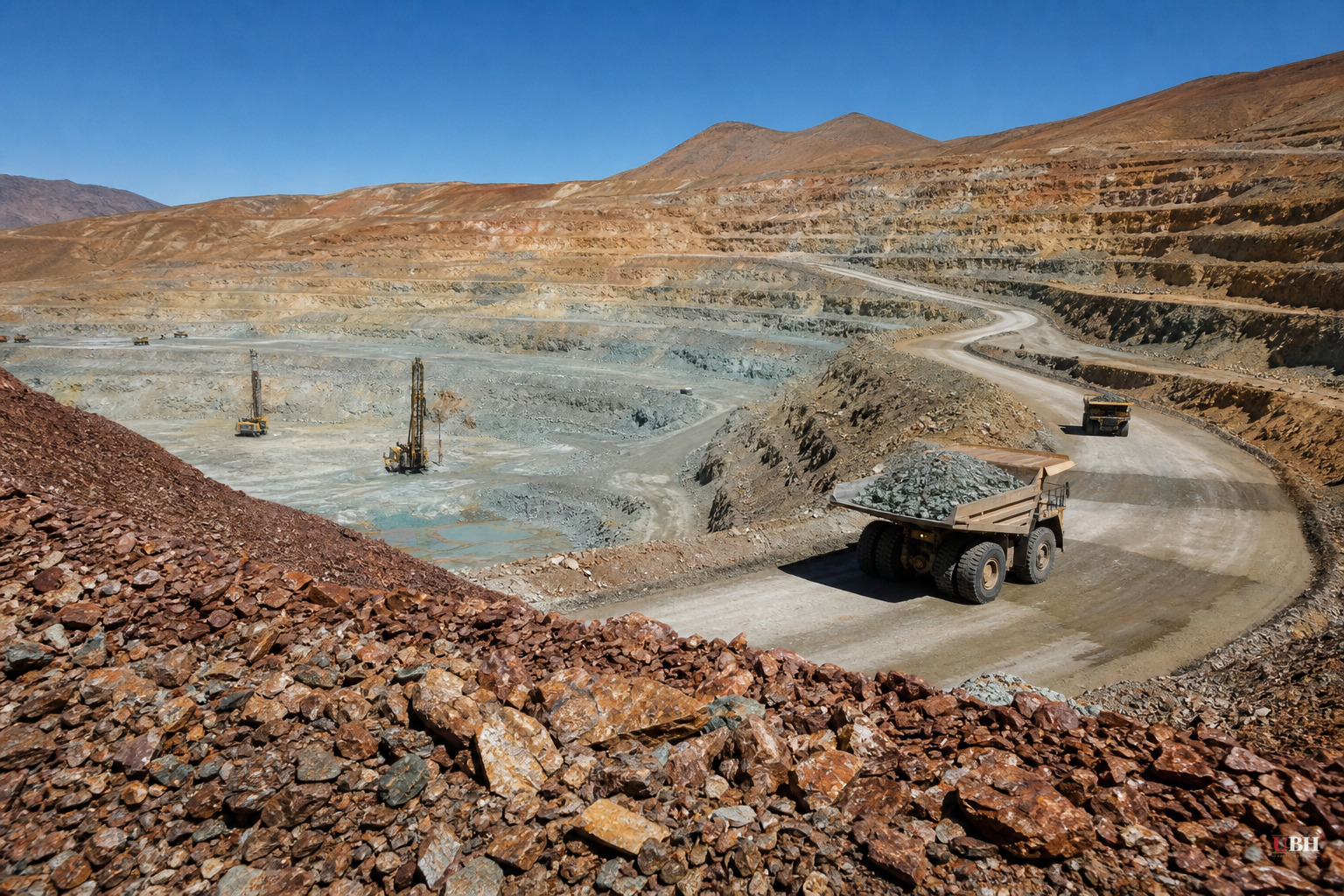
Storms tore through Chile over the past week, killing 13 people and knocking out copper mining operations across the country responsible for more than a fifth of the world's copper supply, according to CNBC.
Heavy snow, flash flooding and high winds hit operations run by Anglo American, Antofagasta, Lundin Mining and state-owned Codelco. Antofagasta halted mining and processing entirely at its Los Pelambres operation. Barrick evacuated workers because of the extreme weather.
Lundin Mining said Monday its Caserones mine in the Atacama region could take two to three weeks to come back online after heavy snowfall damaged power lines serving the site, forcing the company to suspend operations on July 18. Lundin's Candelaria mine also took rain damage but kept running on existing ore stockpiles and has since returned to full capacity.
The copper market was already tight before a single flake of snow fell.
A Market Already Under Strain
Copper hit an all-time high of $6.70 per pound, or $13,643 per metric ton, on June 2, driven by fears of a global supply squeeze, according to CNBC. That was two months before the Chilean storms even hit.
Three separate forces were already pushing prices up: expectations of U.S. Section 232 tariffs on copper imports, a Chinese government crackdown that has tightened availability of scrap copper, and surging demand tied to power grids and AI data center construction. Add a smartphone, EV and appliance manufacturing base that all leans on the metal, and you've got a commodity with nowhere to hide from a supply shock.
Ewa Manthey, commodities strategist at ING, told CNBC the storms alone probably won't blow up the copper market. But she said the disruption reinforces the deeper problem: supply is struggling to keep pace with demand.
Natalie Scott-Gray, senior metals demand strategist at StoneX, told CNBC's "Morning Call" that Chile recently downgraded its own 2026 copper output forecast by 2%, down to 5.3 million tonnes. She said that's on track to be a second straight year of declining Chilean output.
Why This Isn't Just a Chile Problem
Chile is the single largest copper-producing country on Earth. When its mines go down, even temporarily, the ripple effects hit everyone building anything that needs wire, circuitry or motors.
Higher copper prices mean higher costs to build AI data centers, which are already consuming enormous amounts of capital. It means higher costs for electric vehicles, which already carry a price premium over gas-powered cars. It means pricier household appliances and industrial machinery across the board.
These costs are materializing because of physical mines sitting idle in the Atacama Desert right now, with Lundin's own timeline putting restart at two to three weeks out from July 18, meaning into early-to-mid August.
What's Proven, What's Not
What's proven: 13 people died in the storms. Specific mines — Los Pelambres, Caserones — are confirmed offline or reduced. Chile's government has already cut its own 2026 production estimate by 2%.
What's not yet proven: how long the disruption lasts, and how much of the current price level is storm-driven versus tariff-driven versus scrap-shortage-driven. Manthey's own framing to CNBC was careful on this point, saying the storms alone are unlikely to upend the market. They're adding pressure to a market that was already stressed for reasons that have nothing to do with weather.
If this were purely a weather story, prices would likely ease once mines restart in the coming weeks. But StoneX's Scott-Gray is describing something structural: a second consecutive year of declining Chilean output, tariff uncertainty from Washington, and a Chinese scrap crackdown that isn't going away when the snow melts.
The Open Question
The U.S. hasn't finalized its Section 232 tariff decision on copper, and that uncertainty is itself doing damage to supply planning, according to StoneX's Scott-Gray. Until Washington and Beijing's trade posture on copper becomes clearer, buyers are stuck guessing whether to stockpile now at elevated prices or wait and risk paying more later.
The next concrete marker to watch: whether Lundin's Caserones mine actually restarts on its stated two-to-three-week timeline from the July 18 shutdown, and whether Antofagasta gives a restart date for Los Pelambres. If either slips further, expect the price pressure Manthey and Scott-Gray described to intensify rather than fade.
Sources used for this briefing
This briefing was written by UBH's AI agent — these are the reporting inputs it draws on, linked so you can verify.


