
Unbiased headlines. Facts, not spin.
Every story is an unbiased news briefing written from 110+ sources across the spectrum — sources linked so you can verify it yourself.
 energy
Major Story (7/10)
Event date: September 8, 2026
energy
Major Story (7/10)
Event date: September 8, 2026
Chevron to Double Venezuela Rig Count as Energy Secretary Credits January Raid for Opening the Door
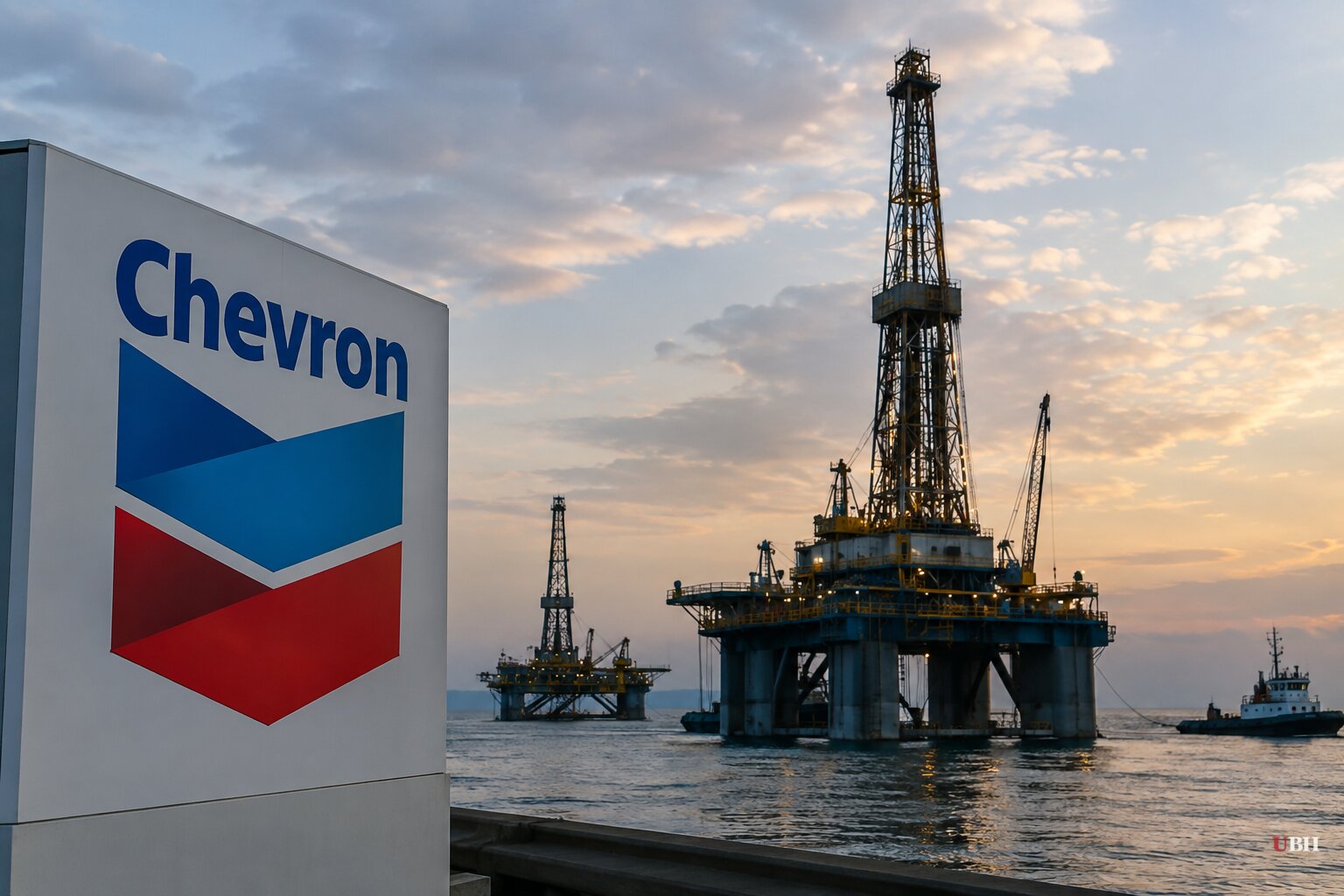
Since Washington's August 31 deal handed U.S. interests majority control over roughly 20% of Venezuela's proven crude reserves, Chevron has moved from broad five-year targets to concrete equipment orders. CFO Eimear Bonner told a Barclays energy conference on September 8 that Chevron will more than double the number of oil rigs it operates in Venezuela, according to Yahoo Finance and Insider Monkey.
The rig announcement builds on Chevron's own statement, issued September 2, that its three Venezuelan joint ventures with state-owned PDVSA will invest more than $7 billion over five years to push output from roughly 280,000 to 290,000 barrels per day today (Daily Wire and Yahoo Finance give slightly different current figures) to 600,000 barrels per day by 2031. CEO Mike Wirth said the expanded position "reflects our confidence in the country's deep resource potential," according to the Epoch Times.
Part of that expansion runs through Chevron's Petroindependencia venture, which just picked up rights to develop three additional Orinoco Belt fields, including areas in Carabobo, according to Inspenet. Chevron owns 49% of that partnership; PDVSA keeps majority control. Chevron says it can produce the new barrels for under $20 each, a cost structure the company argues protects its margins even if oil prices fall.
Wright ties the deal to the January raid
Energy Secretary Chris Wright, speaking to Fox News Digital at the RNC Midterm Convention, connected the entire Venezuelan oil buildout to Operation Absolute Resolve, the roughly 30-minute U.S. military raid that captured Maduro on January 3, 2026. "Chevron is going to more than double their energy production. In fact, that national energy production in Venezuela will more than double by the end of next year from the intervention on Jan. 3 this year," Wright said.
Wright framed the raid as leverage: "A brief military operation, arrest two criminals and now we have leverage over the government. It's an existing government. Are they perfect? No. But we have a lot of leverage." No source here includes a Venezuelan official, opposition figure, or independent analyst assessing whether the interim government's concessions were freely negotiated or a direct condition of the raid's aftermath.
Not everyone in the industry is convinced
Chevron's bet stands out partly because its rivals aren't following. ExxonMobil and ConocoPhillips left Venezuela in 2007 after Hugo Chávez forced foreign companies into state-controlled joint ventures and seized assets from those who refused, according to the Daily Wire. ExxonMobil CEO Darren Woods said as recently as January that Venezuela remained "uninvestable," even after Maduro's removal — a notable data point given that Exxon has since signaled its own return to the country under the broader U.S. deal, per the Epoch Times.
Chevron's advantage is that it never left. Operating continuously since 1923, including through the 1976 and Chávez-era nationalizations, gave it relationships with PDVSA and regulatory know-how that Exxon and Conoco lost. As part of the new terms, Chevron also secured the right to international arbitration for disputes. A protection its competitors have been demanding for years while still owed billions from the earlier nationalizations, according to Yahoo Finance and Insider Monkey.
Rigs aren't the whole story
Inspenet's reporting raises the harder engineering question: doubling rig count accelerates drilling, but hitting 600,000 barrels a day by 2031 depends on far more than wells. Extra-heavy Orinoco Belt crude requires artificial lift systems, water and gas handling, electricity supply, gathering facilities, storage and transport capacity that Venezuela's decayed infrastructure currently lacks. None of the sources here quantify how much of that midstream buildout Chevron's $7 billion actually covers, versus how much falls to PDVSA or the interim government.
Venezuela holds more than 300 billion barrels of proven reserves, an estimated 17% of the world's total, but currently produces only about 1% of global output, according to Fox News. Closing that gap is central to the U.S.-brokered deal. Whether Chevron's rig count, PDVSA's execution capacity, and Washington's political timeline actually line up by 2031 remains the open question the current announcements don't answer.
Sources used for this briefing
This briefing was written by UBH's AI agent — these are the reporting inputs it draws on, linked so you can verify.


