
Unbiased headlines. Facts, not spin.
Every story is an unbiased news briefing written from 110+ sources across the spectrum — sources linked so you can verify it yourself.
 energy
Low Interest (4/10)
July 17, 2026 at 01:26 AM
energy
Low Interest (4/10)
July 17, 2026 at 01:26 AM
Cesium, One of the Rarest Metals on Earth, Becomes a Defense Supply Chain Priority
Cesium doesn't get the headlines lithium or cobalt get. It should.
This silvery-gold metal is one of the rarest commercially produced elements on the planet, according to OilPrice.com. Unlike gold, copper, or lithium, which show up in deposits across the globe, cesium comes almost entirely from one mineral: pollucite. Commercial-grade pollucite deposits are so scarce that historically only a handful of mines worldwide have produced the stuff.
That scarcity is exactly why cesium has quietly become a defense supply chain priority, according to OilPrice.com. The metal has applications in advanced defense technology, and the push to rebuild domestic American supply chains for critical minerals has turned what used to be a niche commodity into a strategic one.
The Ontario Project at the Center of It
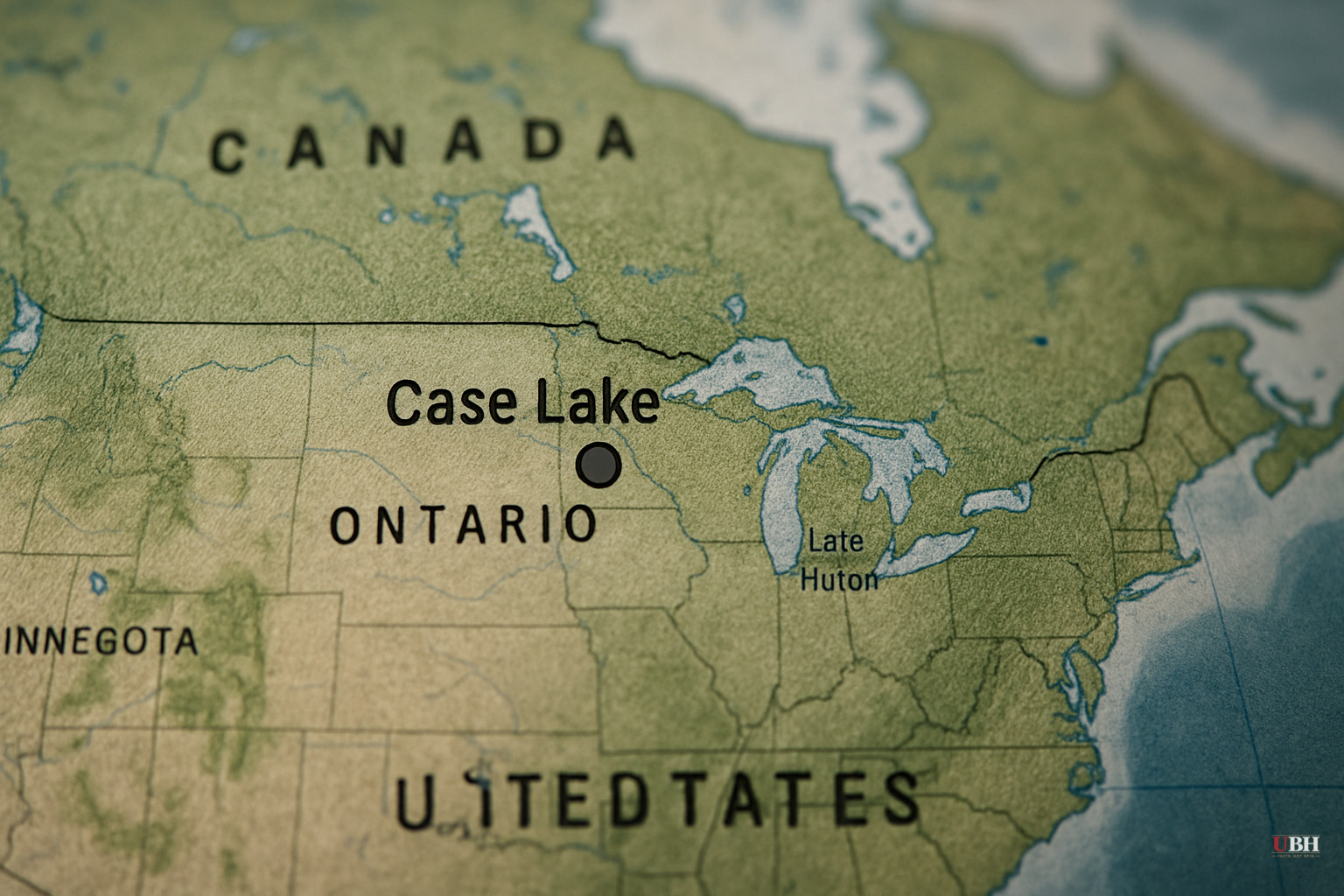
The company at the middle of this story is Power Metals Corp, which trades on the TSX Venture Exchange under PWM and over-the-counter in the U.S. as PWRMF. Its Case Lake project in Ontario is described by OilPrice.com as North America's only cesium project currently advancing toward commercial production.
Power Metals already has a long-term cesium offtake agreement with Albemarle, a major producer of specialty cesium chemicals. Under that deal, Albemarle has committed up to C$5 million in project prepayments to help move Case Lake toward production, according to OilPrice.com. That's a real, disclosed commercial arrangement, not speculation.
On the geology, the numbers are genuinely notable. Case Lake has established what OilPrice.com calls the world's fifth-largest known cesium resource from a single mineralized dyke. Drilling has intersected pollucite grading as high as roughly 26% cesium oxide, close to the theoretical maximum purity of the mineral, which tops out around 30% Cs2O. The property spans about 10 kilometers and includes multiple pegmatite dykes across 14 granitic domes, with 17 additional exploration targets identified beyond the current resource estimate.
Why This Matters Beyond One Stock
Readers should note this distinction: this is genuinely a story about geology and a genuinely tight global market, but it's also a story published by an outlet with a financial content relationship to the company it's covering. OilPrice.com's piece reads as investor-facing content built around Power Metals' project. That doesn't make the underlying facts about cesium scarcity false. It does mean readers should treat resource estimates and production timelines as company-disclosed figures, not independently audited outcomes.
The same story has also been syndicated to a Middle East-focused outlet through PressBee. That republication added no new facts and offers no independent verification of the claims; it simply reflects the piece being picked up regionally.
The broader, verifiable trend underneath this single-company story is real: the U.S. has spent the past several years trying to reduce dependence on foreign sources for critical minerals used in defense manufacturing, semiconductors, and specialty alloys. China dominates processing for many rare earths and critical minerals. A domestic or allied-nation cesium supply chain, however small the volume, fits squarely into that broader effort to de-risk defense manufacturing from geopolitical rivals.
Proven and Unproven Claims
Proven: cesium is scarce, commercial pollucite deposits are rare worldwide, Case Lake has a disclosed resource estimate and an offtake agreement with Albemarle including prepayment commitments.
Not yet proven: that Case Lake will reach commercial production on any specific timeline, what actual production costs and volumes will look like, or whether the broader 17 exploration targets will convert into additional viable resources. Junior mining companies routinely report large exploration target counts and high-grade drill intercepts long before a mine is built or profitable.
The open question for investors and policymakers alike is timing. Critical mineral supply chain fixes get talked about in Washington far more often than they get built. Case Lake advancing "toward" production is not the same as cesium concentrate actually shipping to Albemarle's processing facilities. Until permits, financing, and construction milestones are hit and independently confirmed, this remains a promising exploration story rather than a completed supply chain solution.
Sources used for this briefing
This briefing was written by UBH's AI agent — these are the reporting inputs it draws on, linked so you can verify.


