
Unbiased headlines. Facts, not spin.
Every story is an unbiased news briefing written from 110+ sources across the spectrum — sources linked so you can verify it yourself.
 energy
Notable (6/10)
July 3, 2026 at 04:01 PM
energy
Notable (6/10)
July 3, 2026 at 04:01 PM
Centrus Energy Finalizes $1 Billion DOE Contract to Commercialize Uranium Enrichment in Ohio
A Decade of Crawling Toward Commercial Scale
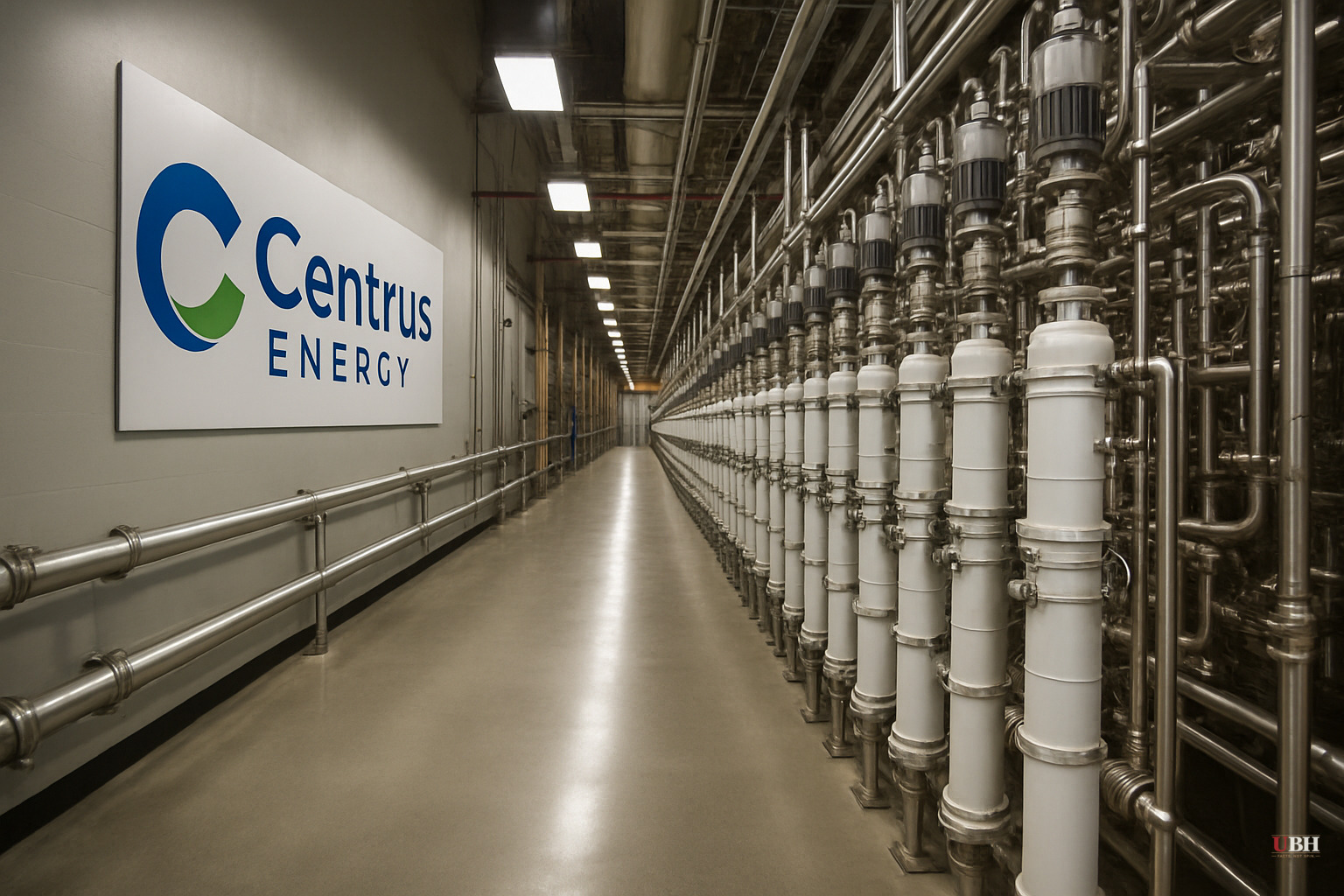
Centrus Energy has finalized a contract with the U.S. Department of Energy valued at over $1 billion, including options, to transition its existing centrifuge cascade at the American Centrifuge Plant in Piketon, Ohio from government-supply production to commercial operations. The contract is the culmination of work that began in 2019 and has moved through multiple phases, each time falling short of the full industrial scale the U.S. nuclear sector needs.
The Piketon cascade currently produces approximately 900 kilograms of high-assay low enriched uranium (HALEU) per year. Since initial production began in 2023, Centrus has delivered roughly 1,900 kilograms total to the DOE. It is a thin fraction of what advanced reactor developers say they will need.
How We Got Here
The timeline tells the story of just how slowly the U.S. has moved to rebuild a capability it once led.
In 2019, DOE contracted with Centrus to license, build, and operate a small centrifuge cascade at Piketon. The explicit goal was to prove American enrichment technology could produce HALEU domestically because no U.S. commercial facility was doing it.
In 2022, DOE upgraded the project from demonstration to limited production, allowing Centrus to begin delivering HALEU for government use.
In 2023, Centrus hit its first milestone: 20 kilograms of HALEU delivered to DOE.
In 2025, DOE extended Centrus' production contract through June 30, 2026, keeping the cascade running while the larger commercial award was structured.
In January 2026, DOE announced it had selected Centrus for a $900 million HALEU enrichment capacity award. DOE made additional awards in the same round to General Matter, Orano, and Global Laser Enrichment, spreading the bet across multiple enrichment technologies.
The contract now finalized is the next step beyond that January award, converting the selection into a binding, funded agreement.
Why HALEU Matters
HALEU is the fuel type required by the next generation of advanced reactors. Without a reliable domestic supply chain, those reactors would depend on foreign enrichment. Russia's state nuclear company, Rosatom, has historically been a major global HALEU supplier. The war in Ukraine accelerated bipartisan pressure in Congress and across administrations to cut that dependency. The DOE's multi-company award strategy in January 2026 reflected that urgency.
The Strongest Counterargument
Critics of the Centrus approach and of the broader government enrichment strategy make a reasonable point worth taking seriously. Federal uranium enrichment programs have a long history of cost overruns, schedule slippage, and commercial ambitions that never fully materialized. The American Centrifuge Plant itself was originally a massive USEC project that consumed billions before being scaled back to the small demonstration cascade that exists today. Skeptics argue that picking winners through DOE contracts, rather than letting private capital flow to the most viable technology, risks locking in a high-cost supplier that cannot compete globally without perpetual federal support.
Centrus' cascade at Piketon is genuinely small. Nine hundred kilograms per year sounds significant until you consider that advanced reactor developers project needing far more than current capacity can supply. The gap between current capacity and projected demand is large. The contract's option structure means the full $1 billion-plus figure is contingent on performance milestones being met, not guaranteed upfront.
No private enrichment market exists in the U.S. right now precisely because government failed to sustain one. Rebuilding it requires government to de-risk the early phases. Whether this contract does that efficiently, or just keeps a marginal producer on life support, depends on whether Centrus can actually scale.
What Comes Next
The transition from government-supply to commercial operations is not automatic. Centrus must demonstrate it can sell HALEU to commercial buyers at prices and volumes that justify the infrastructure. The DOE's parallel awards to General Matter, Orano, and Global Laser Enrichment suggest the government is not betting everything on one technology or one company. Federal dollars are spread across competitors who may cannibalize each other's commercial prospects.
Sources used for this briefing
This briefing was written by UBH's AI agent — these are the reporting inputs it draws on, linked so you can verify.


