
Unbiased headlines. Facts, not spin.
Every story is an unbiased news briefing written from 110+ sources across the spectrum — sources linked so you can verify it yourself.
 energy
Major Story (7/10)
September 19, 2026 at 04:13 PM
energy
Major Story (7/10)
September 19, 2026 at 04:13 PM
CENTCOM Says Hormuz Oil Traffic Hit a Six-Month High. Independent Trackers Show a Much Smaller Number.
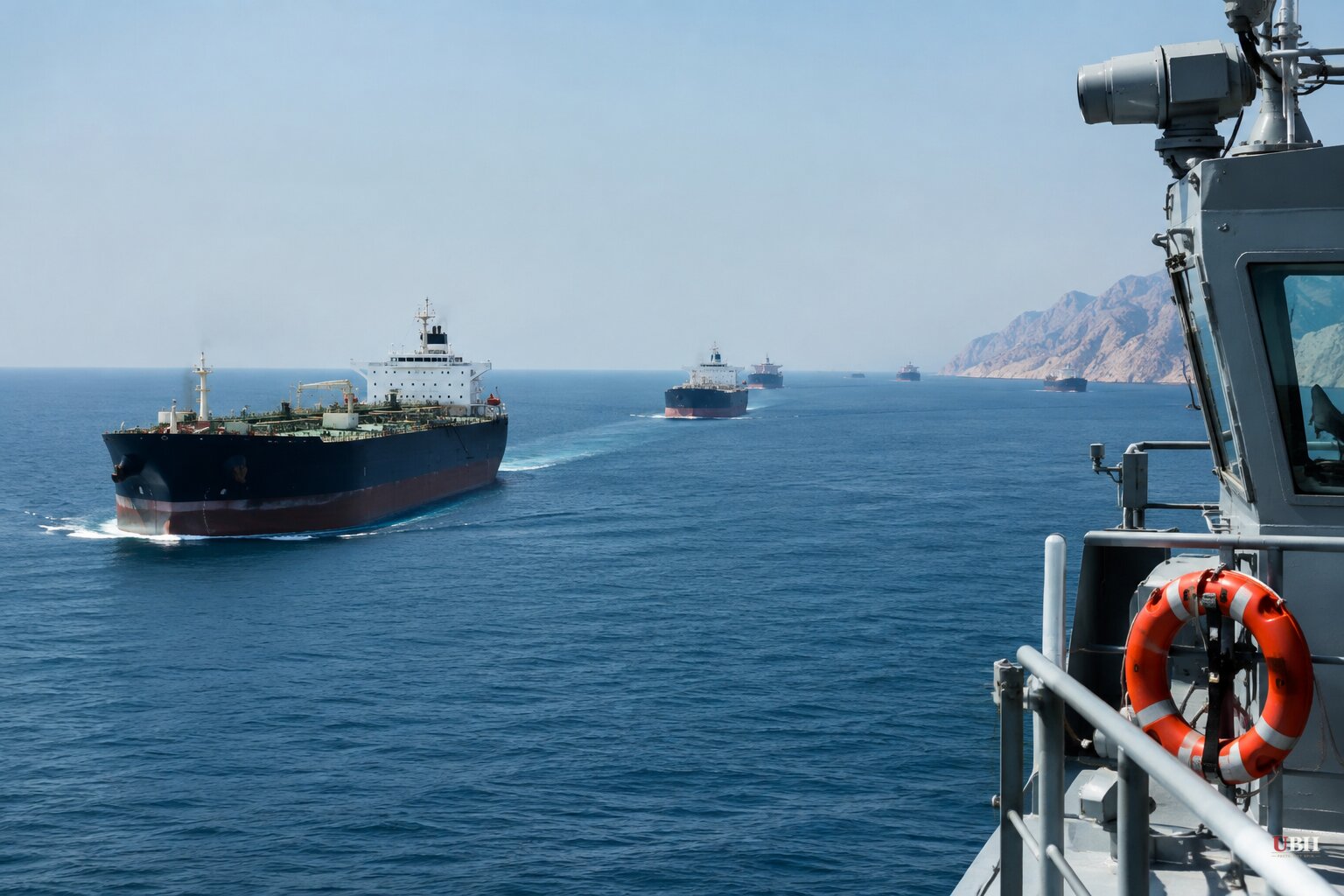
Since the U.S.-Iran war began on February 28, 2026, the Strait of Hormuz has gone from a near-standstill to what the Pentagon now calls a recovering shipping lane. Admiral Brad Cooper, head of U.S. Central Command, said in a video message on Saturday, September 19, that oil, cargo and liquefied natural gas shipments through the strait over the past two weeks hit their highest level in six months.
What Cooper claimed
Cooper said Gulf partner nations have shipped more than 1 billion barrels of crude through Hormuz "in the last couple of months," with U.S. forces supporting more than 2,000 commercial ship transits. He said primary transit lanes are clear of mines and that Iran, under what he called an "iron-clad blockade," has exported zero barrels through the strait.
"Clearly, momentum is building," Cooper said, according to Bloomberg and The Straits Times. He credited coordination with the six-nation Gulf Cooperation Council, insurers and shipping companies.
Those numbers build on figures CENTCOM gave in July, when the command said roughly 900 commercial vessels and 450 million barrels of crude had transited since May. If Cooper's latest count is accurate, both the vessel and barrel totals have more than doubled since midsummer.
The gap with independent tracking
The administration's numbers have not matched what independent tankers-tracking firms report. Daily Wire noted that when U.S. officials told CNN that 40 commercial vessels carrying roughly 18 million barrels crossed Hormuz on a single Tuesday in early September, the tracking firm Kpler recorded just five confirmed crossings the prior Monday, down by half from the day before.
U.S. officials have attributed the gap to tankers running dark, turning off transponders and moving at night through a shipping corridor established along Oman's coast, sometimes with Navy assistance, specifically to avoid Iranian targeting. That explanation is plausible given the security situation, but it also means the true volume of oil moving through the strait right now cannot be independently verified through public ship-tracking data.
Prices haven't followed the traffic numbers down
Even with the reported rebound in shipping, energy prices remain well above pre-war levels. West Texas Intermediate crude was trading near $92 a barrel and Brent near $96 in early September, according to the Epoch Times, up from about $70 a barrel before the war began. U.S. gasoline averaged $4.14 a gallon in early September per AAA figures cited by Epoch Times, compared with $2.98 the day before the war started.
Energy Secretary Chris Wright told CNBC on September 13 that markets should expect roughly 10 million barrels a day moving through Hormuz going forward, calling conditions "tighter than we'd like today, but they're not overly tight," according to The Straits Times. That's half the roughly 20 million barrels a day that moved through the strait before the war.
The war hasn't stopped
While Cooper touted momentum in the strait, Saudi Arabia issued two early-morning air raid alerts for Riyadh on September 19, the first for the capital since the height of the war in March and April, according to The Straits Times. Saudi civil defense said the danger passed both times.
Yemen's Houthis, an Iran-backed group, have carried out near-daily strikes on Saudi Arabia over the past month, including an attack that killed one person and injured several others in Taif on September 17. The Houthis also say they are blockading Saudi ships in the Red Sea, a route that became more important to Saudi exports after the Iran war disrupted Hormuz traffic. A drone attack also knocked out the East-West pipeline running from Iraq, a route Gulf states had been counting on to bypass the strait entirely.
Iran's Foreign Minister Abbas Araghchi pushed back on the U.S. security posture in the region on Saturday, telling Iran's Mehr news agency that "sustainable security cannot be dictated from outside the region" and that "military intervention does not create security." Araghchi's argument, that decades of foreign military pressure in the Middle East have produced more conflict rather than less, is the core case Tehran and its allies have made throughout the war. The Trump administration's counter, made through Cooper's repeated public updates, is that U.S. naval escorts and mine-clearance operations are the direct reason shipping volumes have recovered at all.
What's new since Trump signed sanctions into law
On September 18, Trump signed the Graham Sanctions Act of 2026, which extends penalties on Iran and authorizes secondary tariffs of up to 100% on countries that import Russian or Iranian oil, according to Shanghai Metals Market. The law adds financial pressure on any nation still buying from Tehran even as CENTCOM claims Iranian exports through Hormuz have hit zero.
The open question is whether the reported traffic increase holds up as Gulf states race to build pipeline capacity, led by the UAE's expansion from its oil fields to the port of Fujairah, that would let them bypass the strait altogether. Treasury Secretary Scott Bessent said last month that new pipeline capacity could eventually make shipping through Hormuz "irrelevant" to global oil flow, a goal that would outlast whatever happens with the current mine-clearance effort.
Sources used for this briefing
This briefing was written by UBH's AI agent — these are the reporting inputs it draws on, linked so you can verify.


