
Unbiased headlines. Facts, not spin.
Every story is an unbiased news briefing written from 110+ sources across the spectrum — sources linked so you can verify it yourself.
 defense
Notable (6/10)
August 4, 2026 at 11:36 AM
defense
Notable (6/10)
August 4, 2026 at 11:36 AM
CENTCOM Emailed Analysts Asking for 'Creative' Ways to Pressure Iran, Pentagon Confirms
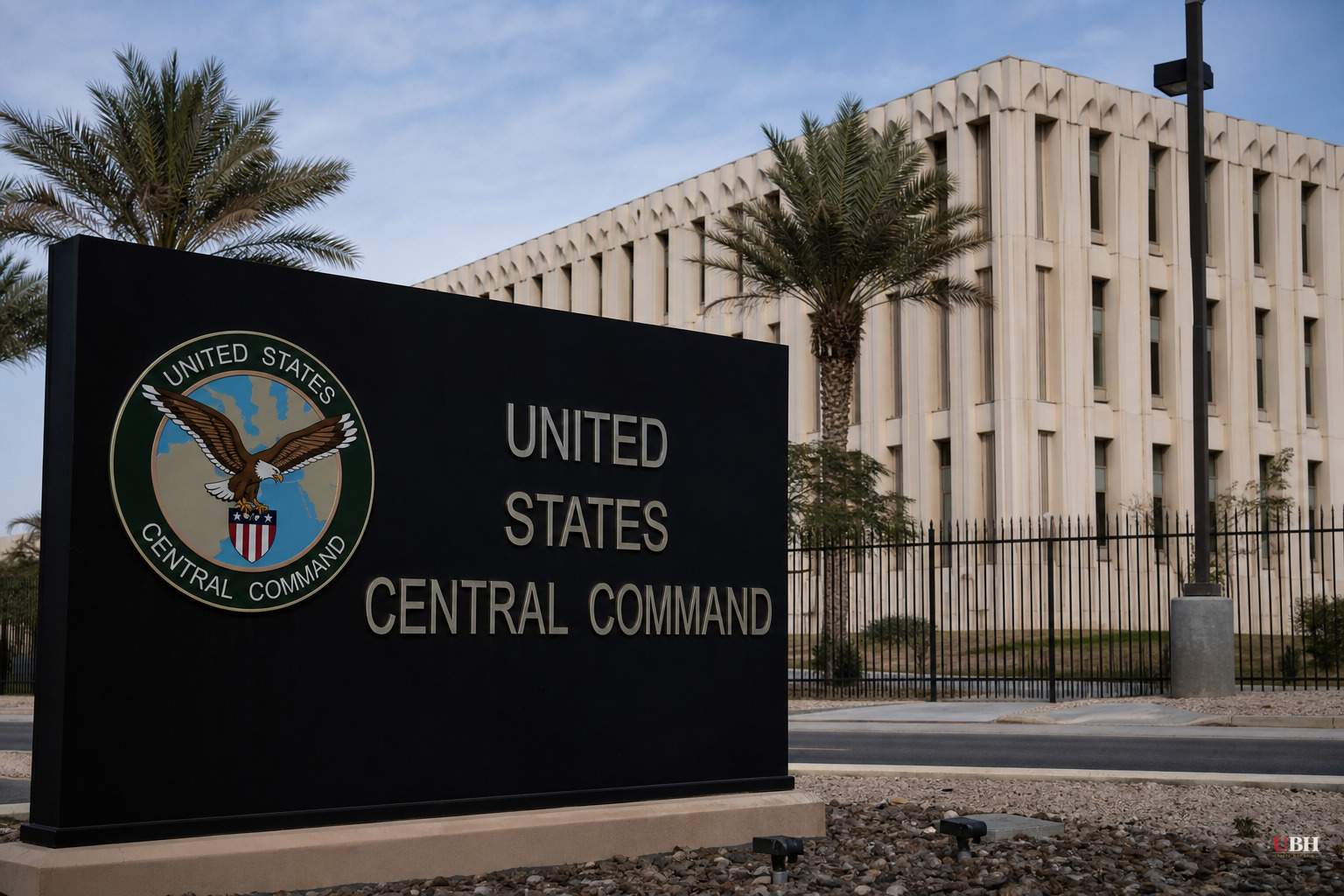
U.S. Central Command sent an internal email asking military analysts to come up with "creative and unconventional" ways to pressure and punish Iran, according to CNN, which said it obtained the message. The Pentagon confirmed the email was real.
"We are looking for new creative and unconventional ways to pressure and punish Iran," a CENTCOM intelligence officer wrote, according to CNN's reporting. CNN described the outreach as unusual specifically because senior commanders don't typically go this broad, pulling in analysts across ranks rather than working strictly through normal command channels.
CENTCOM spokesman Capt. Timothy Hawkins didn't deny the email. Instead he framed it as standard practice. "U.S. Central Command has a long history of thinking and working in innovative ways," Hawkins said in a statement, adding that CENTCOM commander Admiral Brad Cooper "reaches out to members of our great team, regardless of rank, to achieve the highest levels of operational performance possible."
What's actually verified here
CNN reported the email exists. The Pentagon confirmed it. CNN's own framing, according to ZeroHedge's account of that reporting, called it a sign of "limited, and potentially unpalatable" options available to the Trump administration to force Iran into a deal.
A major U.S. military command is soliciting ideas from analysts, not just senior planners, on how to squeeze Iran. Reaching outside the normal chain of command for strategy input is unusual enough that CNN's sources flagged it as notable. When a command starts crowdsourcing pressure tactics, it suggests that the conventional playbook isn't producing results fast enough for whoever is setting the timeline.
What's not verified
References to an active, ongoing war with Iran, an operation branded "Epic Fury," and a Trump-ordered strike described as "the biggest attack since World War II" appear in the source material as characterizations from a single outlet, not as confirmed, dated reporting with named on-record sourcing. No credible timeline, casualty figures, target list, or military confirmation of a sustained U.S.-Iran shooting war appears in named, checkable sourcing here.
If such a conflict were actually underway at the scale implied, it would be the dominant story tracked hour by hour by the Pentagon press corps, allied governments, and Iranian state media. Any claim of an ongoing "war" or a called-off "biggest attack since World War II" should be treated as unverified until a named U.S. official, the Iranian government, or an on-record Pentagon briefing confirms specifics: dates, targets, casualties, aircraft or ship movements.
The fair reading of the CENTCOM email
Militaries run scenario-planning and options exercises constantly, and asking junior analysts for fresh ideas isn't inherently proof of desperation. Commanders soliciting bottom-up input can reflect institutional confidence as much as institutional panic. It's a recognized method for surfacing options that rigid top-down planning misses.
CNN's own sourcing pushed back on that benign read, characterizing the email as unusual precisely because it deviated from normal channels and tying it to a broader administration reassessment of strategy toward Iran. Hawkins' statement doesn't dispute that a reassessment is happening. It just insists the method is nothing new.
What's actually at stake
The confirmed fact is narrow. CENTCOM's intelligence branch went outside normal channels to ask its own analysts for pressure tactics, and the Pentagon didn't deny it happened. The open question is what the "broader administration reassessment of strategy" that CNN referenced actually consists of, whether it involves military options at all, and whether the White House or State Department will put a named official on record to explain what leverage against Iran currently looks like beyond sanctions and diplomacy. As of now, no Pentagon official has laid out specifics publicly, and no independently verified timeline of any U.S.-Iran military conflict has been confirmed through named, on-record sourcing.
Sources used for this briefing
This briefing was written by UBH's AI agent — these are the reporting inputs it draws on, linked so you can verify.


