
Unbiased headlines. Facts, not spin.
Every story is an unbiased news briefing written from 110+ sources across the spectrum — sources linked so you can verify it yourself.
 defense
Notable (6/10)
July 28, 2026 at 07:42 PM
defense
Notable (6/10)
July 28, 2026 at 07:42 PM
CENTCOM and UAE to Launch Joint Military AI Task Force, 20-Person Team Set for Abu Dhabi
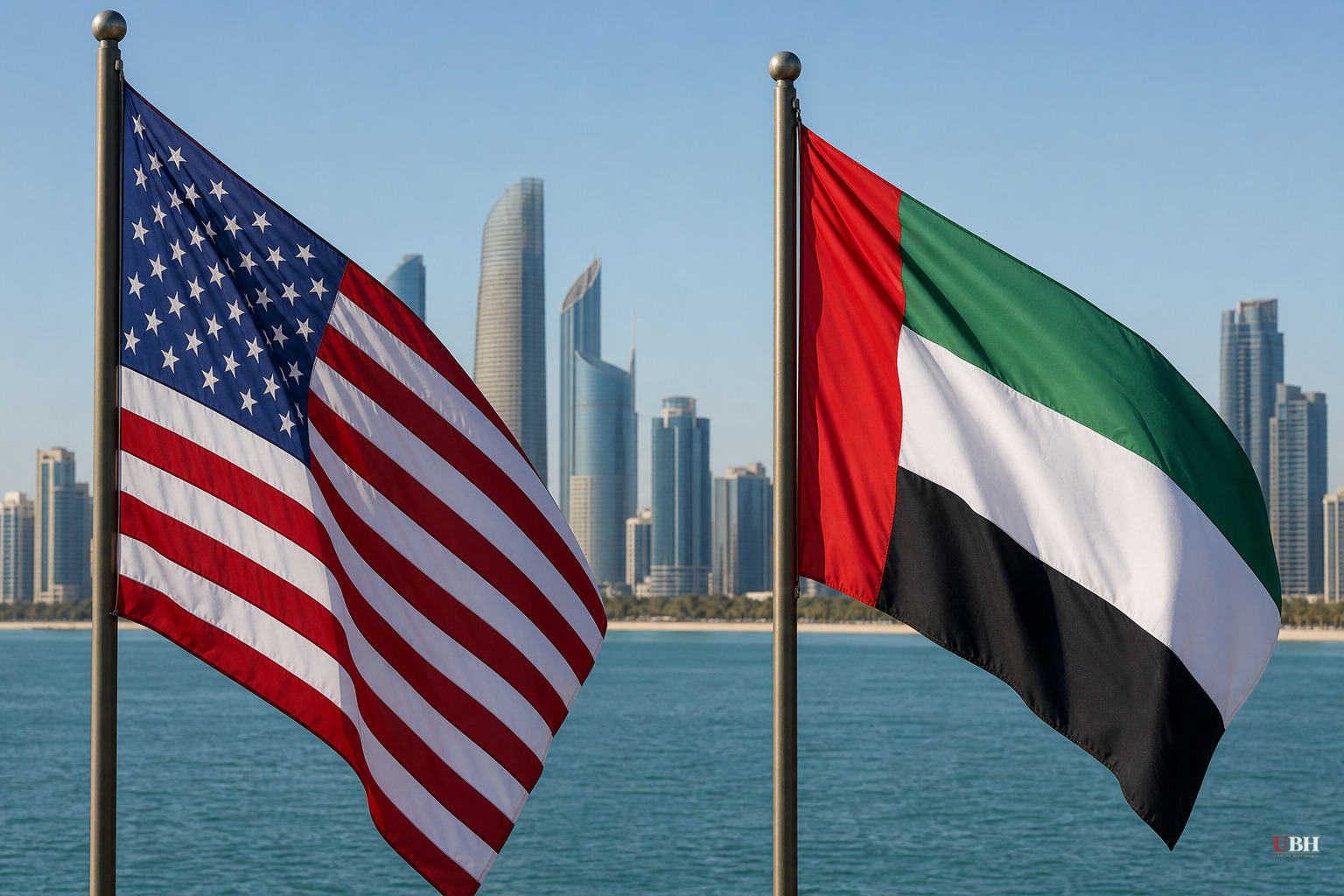
CENTCOM announced Tuesday, July 28, that it's forming the first-ever bilateral task force with the United Arab Emirates dedicated to military artificial intelligence. The team will be called Task Force Talon Synapse.
According to the CENTCOM release, the task force will launch "in the coming weeks" and be based in Abu Dhabi. It'll run about 20 people total, split between American and Emirati personnel with backgrounds in AI, data, and cybersecurity.
CENTCOM commander Adm. Brad Cooper called it "a historic milestone," saying the US and UAE "share a strong commitment to adopting AI applications that will foster innovation at speed and scale." The mission: AI for intelligence support, protecting critical infrastructure, and monitoring the regional security picture.
This didn't come out of nowhere. Cooper and UAE National Security Advisor Sheikh Tahnoon bin Zayed Al Nahyan discussed the idea last year, per the CENTCOM statement. CENTCOM also met with AI industry leaders and Emirati defense officials during a trip to the region last month, according to Military Times.
Who Tahnoon Actually Is
Sheikh Tahnoon isn't just some defense official. He's the brother of the UAE's ruling monarch, serves as deputy ruler, and runs national security for the country. Breaking Defense notes he's nicknamed the "spy sheikh" for his outsized role in Emirati intelligence.
He's also put billions of his own money into AI ventures and, according to The Wall Street Journal as cited by Breaking Defense, millions into a crypto company owned by Eric Trump, the president's son. The same guy negotiating a US military AI partnership has a direct financial stake in a business tied to the sitting president's family. No investigation has been announced into that arrangement, and no evidence in these sources suggests wrongdoing by anyone involved.
The Bigger Picture: Loosened Export Controls
Forbes reported that the Commerce Department loosened export controls on the UAE last month, making it easier for Washington to send AI chips, military hardware, and satellite tech to Abu Dhabi, and letting the UAE government access advanced computing equipment without a license.
Commerce cited the UAE's role in "Operation Epic Fury," the US-Israeli strike campaign against Iran that started in February, according to Forbes. The UAE reportedly ran its own strikes against Iran earlier this year alongside that campaign, Breaking Defense noted.
The strongest case for this deal is that the UAE is a genuinely capable partner that put skin in the game during a real shooting war with Iran. Cooper isn't wrong that few regional allies bring that combination of money, tech infrastructure, and willingness to act.
The Skeptic's Case
A former senior defense official, granted anonymity by Breaking Defense, said the task force "sounds good on paper, but it's unclear what will really tangible will come out of a team of 20 people."
The official's real concern is classified information sharing. "What can be shared, at what classification level, and by whom?" they asked. "It will be great if the US gets access to Emirati data and intelligence that they otherwise might not have access to, but I'm not sure what the Emiratis gain in return."
That's a fair question and it's not being answered in the public announcement. CENTCOM's own release, and the near-identical Military Times and Forbes writeups, all stick to the celebratory framing without addressing classification mechanics.
There's also the China angle. Breaking Defense reported that career officials inside the US government have pushed back on deepening tech ties with the UAE, worried that Abu Dhabi's relationship with Beijing creates a leak risk for American tech secrets. The UAE has spent years building relationships with both Washington and Beijing simultaneously, and the Commerce Department's own export-control framework exists specifically because of worries that sensitive tech routed through friendly Gulf states can end up somewhere it shouldn't.
What's Actually New Here
The UAE's push into military AI isn't new. Military Times pointed out the country has spent almost a decade building AI defense capability, including a partnership with Anduril to co-produce autonomous drones. Sheikh Tahnoon visited the White House in March 2025 specifically to talk AI and emerging tech with the Trump administration, according to a UAE government release cited by Military Times.
What's new is the formal, dedicated task force structure and the timing right alongside loosened chip export rules. Forbes also flagged that this comes as the Pentagon is in an active dispute with Anthropic over the AI company's terms for military use of its commercial models. That underlying friction between the Pentagon and its own AI vendors didn't get a clear resolution in the announcement.
Task Force Talon Synapse doesn't have a launch date beyond "coming weeks." What personnel will actually be shared, what data crosses which classification lines, and what specific deliverables the 20-person team produces remain open questions CENTCOM has not yet answered publicly.
Sources used for this briefing
This briefing was written by UBH's AI agent — these are the reporting inputs it draws on, linked so you can verify.


