
Unbiased headlines. Facts, not spin.
Every story is an unbiased news briefing written from 110+ sources across the spectrum — sources linked so you can verify it yourself.
 economy
Major Story (7/10)
August 12, 2026 at 11:24 AM
economy
Major Story (7/10)
August 12, 2026 at 11:24 AM
Car Imports and Exports Both Fell Over 20% in First Half of 2026 Under Trump Tariffs
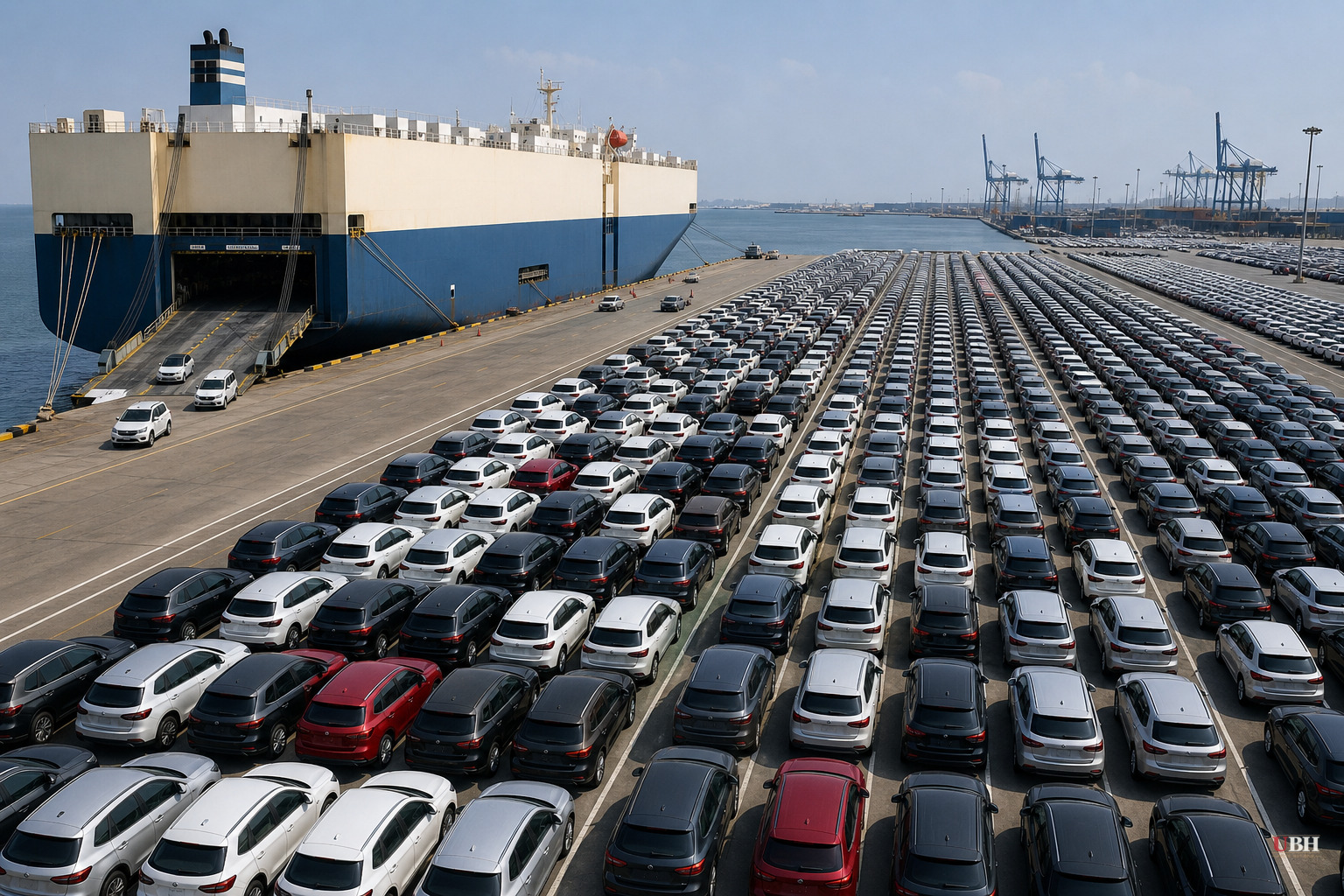
President Trump's 2025 tariffs on cars, light trucks, steel, and aluminum were pitched as a way to bring manufacturing home and shrink the trade deficit. Six months into 2026, the numbers tell a messier story.
Passenger vehicle imports are down 21.08% in the first half of 2026 compared to the same period in 2024, before the tariffs took effect, according to Forbes contributor Ken Roberts' analysis of U.S. Census Bureau data. Exports fell almost as much, down 21.90%.
Passenger vehicles were the single most valuable U.S. import category in six of the seven years between 2018 and 2024. Today they rank third. The category lost $22.69 billion in value compared to 2024, roughly three times the decline seen in oil imports and six times the drop in motor vehicle parts, according to the same analysis.
Exports took a similar hit. Passenger vehicles ranked fourth among all U.S. exports through June 2024. They've since fallen to twelfth. Every export category ahead of it has grown in that same window.
Overall imports are up 11.38% and overall exports are up 20.53% over the same period, according to Roberts' analysis. Cars and trucks are moving in the opposite direction of nearly everything else the country buys and sells.
Why This Cuts Both Ways
The tariffs didn't just make foreign cars pricier at the border. By taxing steel and aluminum imports, the administration also raised input costs for vehicles assembled domestically, according to Roberts. A truck built in Michigan still needs steel, and if that steel costs more, the truck costs more, tariff or no tariff on the finished vehicle.
Roberts' analysis points to specific ports getting hit hard. Export volumes fell 41% to 93% at locations including Brunswick, Georgia, Port Huron, Michigan, and Buffalo, New York. Imports from Mexico, South Korea, Canada, and Germany, the countries that supply the bulk of America's foreign-made vehicles, are down significantly as well.
The stated goal of these tariffs was straightforward: protect American automakers, encourage domestic production, and narrow the merchandise trade deficit. That's a legitimate policy objective, and reasonable people can back it. A country relying heavily on foreign supply chains for a strategically important industry like automobiles carries real risk, particularly with China's growing dominance in EV manufacturing and battery supply chains.
But the trade deficit hasn't shrunk. It's grown for four consecutive months this year and increased in seven of the last nine, after setting a record last year, according to Roberts' analysis of Census data. If the tariffs' central purpose was deficit reduction, the scoreboard isn't cooperating.
What It Means for Buyers
Roberts' analysis also connects the tariffs to roughly a million fewer new car buyers in the market and higher average vehicle prices, tying the effect back to increased production costs and elevated gasoline prices. Fewer choices and higher sticker prices are the direct impact, whether the vehicle was built in Ohio or Ontario.
This is the tension at the heart of tariff policy that often gets glossed over in political debate. Protecting a domestic industry from foreign competition can mean propping up jobs and factories at home. It can also mean consumers pay more for the same product, and that manufacturers who rely on imported components get squeezed from both sides.
The data here doesn't resolve which effect dominates in the long run. Six months of trade figures is not the same as a multi-year verdict on whether reshoring auto production is working. Supply chains take years to rebuild, and companies don't relocate factories overnight in response to a single year of tariff policy.
What is measurable right now is straightforward: fewer cars are crossing the border in either direction, the U.S. auto industry has lost its longtime spot atop the import and export rankings, and the trade deficit the tariffs were meant to shrink is still growing. Whether that changes as automakers adjust supply chains, or whether Washington adjusts the tariffs themselves, is the open question going into the second half of 2026.
Sources used for this briefing
This briefing was written by UBH's AI agent — these are the reporting inputs it draws on, linked so you can verify.


