
Unbiased headlines. Facts, not spin.
Every story is an unbiased news briefing written from 110+ sources across the spectrum — sources linked so you can verify it yourself.
 defense
Major Story (7/10)
July 27, 2026 at 02:23 PM
defense
Major Story (7/10)
July 27, 2026 at 02:23 PM
Canadian Intern at NATO's Military HQ Arrested on Espionage Charges in Belgium
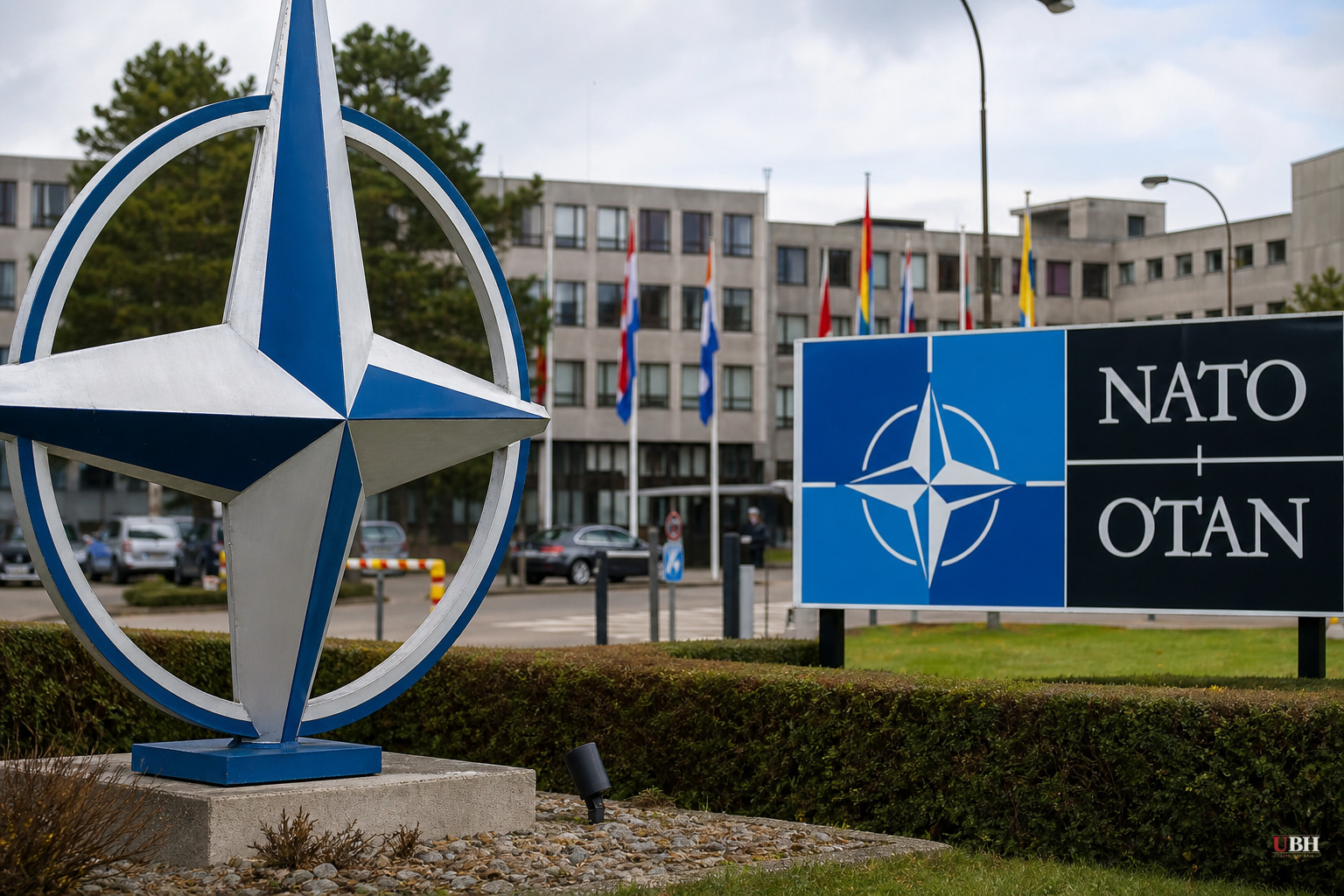
Belgian federal prosecutors arrested a Canadian intern working inside NATO's top military headquarters on Friday, July 24, accusing her of espionage. She has not been named. Neither has the country prosecutors believe she was working for.
The suspect, described by Belgium's Federal Public Prosecutor's Office as "a Canadian national of Chinese origin," was an intern at the Supreme Headquarters Allied Powers Europe, known as SHAPE, in Mons, roughly 40 miles southwest of Brussels. SHAPE is NATO's operational nerve center, home to Allied Command Operations, where military officials plan and run every operation the 32-member alliance undertakes. It also houses NATO's cybersecurity center, according to the Times of India.
"She is suspected of spying on behalf of a third country and of being a member of a criminal organisation," the prosecutor's office said in a statement carried by Global News and BNO News. That is the entirety of what Belgian authorities have said publicly about the substance of the case.
How the case surfaced
According to BNO News, the woman first came to the attention of SHAPE's own security services, who reported her to Belgium's General Intelligence and Security Service, known as the SGRS. Because espionage cases fall under federal jurisdiction in Belgium, the matter was handed to the Federal Public Prosecutor's Office and assigned to the Charleroi Federal Judicial Police.
Investigators spent time building the case before acting. Police searched both her home and her workplace inside SHAPE on Thursday, July 23, with computer crime investigators and forensic units from Charleroi and Mons assisting, BNO News reported. An investigating judge ordered her arrest the following day on charges of espionage and participation in a criminal organization.
The Associated Press, cited by both ZeroHedge and the Times of India, reported that Belgian authorities moved only after NATO's own security services first tipped off Belgium's military intelligence apparatus. NATO's internal vetting caught something before it became a public scandal, not after.
What NATO says did not happen
A SHAPE spokesperson insisted the arrest caused zero operational fallout. "At this time, there is no indication that NATO or SHAPE operational readiness, command and control arrangements, or ongoing tasks have been adversely affected," the spokesperson said, according to both Global News and the Times of India. "SHAPE continues to fulfil its responsibilities without interruption."
That is NATO's own assessment, delivered through its press office, not an independent verification. No outside audit of what data or systems the intern may have accessed has been made public.
What remains unproven
Belgian prosecutors have filed charges and an investigating judge has ordered detention, which under Belgian law requires some evidentiary threshold. That is a real legal step, not a rumor.
What has not been established, at least in anything prosecutors have released: which country she allegedly spied for, what specific information she is accused of passing along, what the "criminal organization" is, or any details of her identity beyond nationality and ethnicity. The Federal Public Prosecutor's Office told Global News it would make no further comment while the investigation continues.
That silence is standard practice in an active European espionage case, and Belgian authorities are under no obligation to try the case in public. But it also means every outlet covering this story, including this one, is working from a single prosecutorial statement and nothing else. Anyone claiming to know the target country or the organization involved is speculating.
The backdrop ZeroHedge flagged
ZeroHedge's coverage placed the arrest inside a broader narrative about strain within the alliance, noting the case comes as President Trump has pressed NATO members to hit new defense spending targets and has criticized the alliance's posture, including friction over Greenland and pressure on European allies over Iran. NATO members did agree last year to a 5% GDP defense spending framework following Trump's pressure campaign. This context is political framing ZeroHedge added around the story, not something Belgian prosecutors or NATO connected to the arrest itself. There is no indication in any prosecutor statement that the espionage case is linked to intra-alliance tension over spending or Trump's demands.
What happens next
The investigation continues under the Charleroi Federal Judicial Police, and Belgian prosecutors have given no timeline for when, or whether, additional charges, an indictment, or the suspect's identity will become public. Given the sensitivity of a case involving NATO's operational command structure, any further disclosures are likely to come slowly, if they come at all before trial.
Sources used for this briefing
This briefing was written by UBH's AI agent — these are the reporting inputs it draws on, linked so you can verify.


