
Unbiased headlines. Facts, not spin.
Every story is an unbiased news briefing written from 110+ sources across the spectrum — sources linked so you can verify it yourself.
 defense
Notable (5/10)
July 16, 2026 at 05:27 PM
defense
Notable (5/10)
July 16, 2026 at 05:27 PM
Canada Set to Join UK-Italy-Japan Fighter Jet Program as Observer, Reports Say
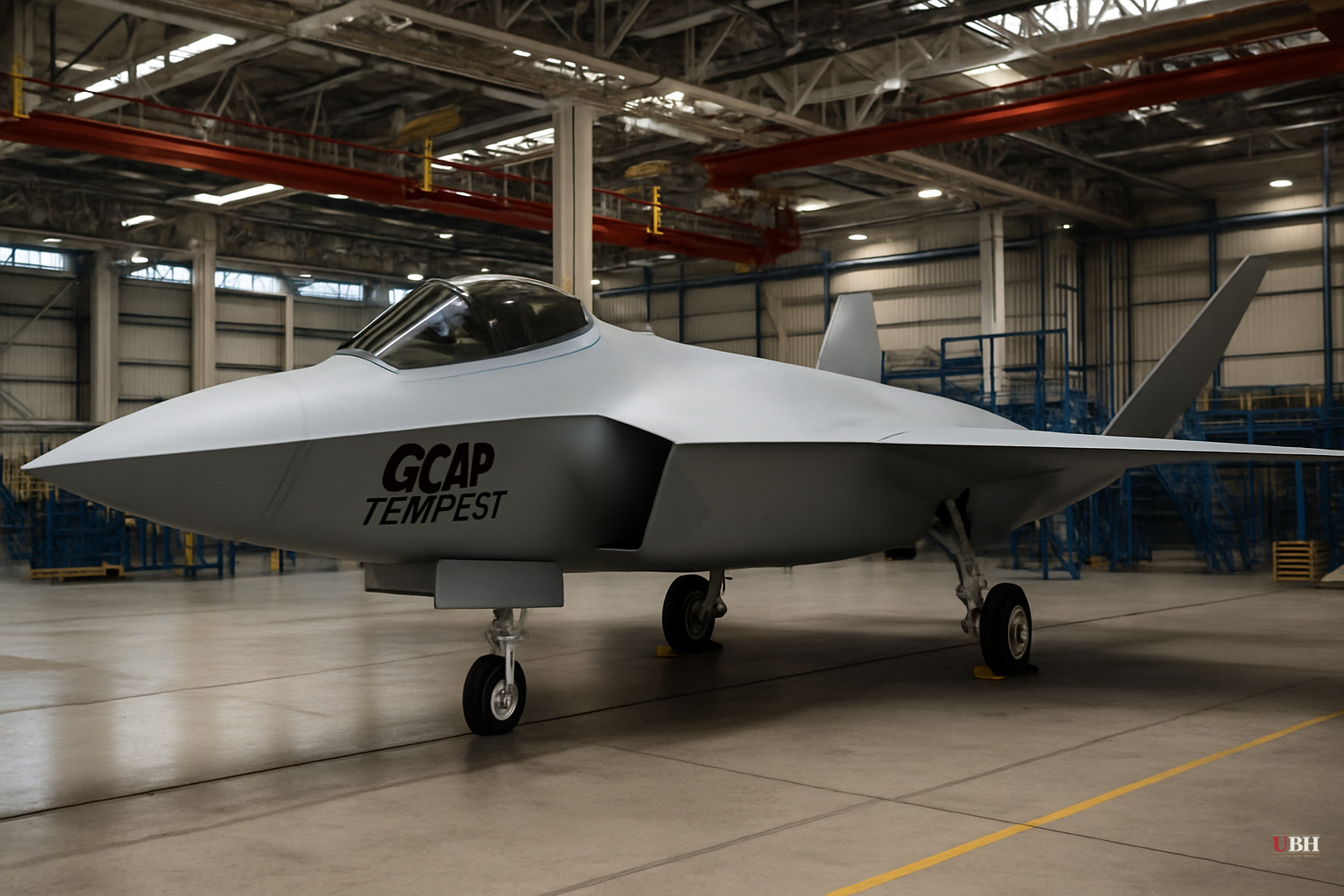
Canada is expected to formally join the British-Italian-Japanese Global Combat Air Program (GCAP) as an observer, according to multiple reports cited by Breaking Defense. Politico first reported the news, citing anonymous sources, saying the agreement will be announced July 21 in London during the Farnborough International Airshow.
As an observer, Canada would not be a full contracting partner in GCAP. But Ottawa would reportedly gain access to sensitive program information and could contribute flight-simulation training technology, according to the Politico report relayed by Breaking Defense.
A UK government spokesperson would not confirm the specific deal but told Breaking Defense the country and its GCAP partners remain "open to others joining GCAP while keeping it on track and delivering future military capabilities." Representatives for Canada and other governments involved did not respond or declined to comment before publication.
Ottawa Already Signaled Interest
Last month, Canadian Defense Minister David McGuinty said publicly, for the first time, that Ottawa was watching GCAP closely. Meeting with his Japanese counterpart in Tokyo, McGuinty called the sixth-generation fighter program a "promising initiative" and said Canada was "interested in learning more about" it.
GCAP is the joint effort by the UK, Italy, and Japan to build a next-generation fighter jet, and it's been recruiting outside interest as it tries to build out its industrial base and international credibility.
The F-35 Mess Behind This
Canada is hedging because Ottawa already locked in an order for 16 Lockheed Martin F-35s. But it has spent the past year reviewing whether to buy the remaining 72 aircraft originally planned, and it has left the door open to a mixed fleet that pairs F-35s with Saab's Gripen.
That's a program in flux. A government that can't decide on its current fighter buy joining an observer slot on a future fighter program suggests Ottawa is keeping options open, not making a commitment.
Mark Cancian, senior adviser at the Center for Strategic and International Studies, told Breaking Defense that Canada could run into real trouble if it tried to run multiple fighter fleets at once. "Its fleet is not that large and has sustainment issues in any case," Cancian said. "Having two supply chains makes sustainment more difficult."
Canada's air force is small. Juggling F-35 parts, potential Gripen parts, and eventually GCAP components would strain a maintenance and logistics system that already has problems.
Where CAE Fits In
The flight-simulation angle is where Canada actually has something concrete to offer. CAE, based in Canada, is the dominant player in military flight simulation and synthetic training systems.
The International Flight Training School in Sardinia already uses CAE simulators and cockpit replicas to train pilots on the T-346 jet. CAE is also a major supplier to the UK Ministry of Defense, described as a "leading training systems integrator and synthetic training equipment provider." CAE did not respond to a request for comment before publication.
If Canada does get formal observer status, the simulation and training piece is the most plausible near-term contribution, not fighter jet manufacturing or design input.
What This Isn't
This is not Canada abandoning the F-35 or joining GCAP as a full partner. Observer status, per the Politico reporting, doesn't come with contract participation. Ottawa would watch, learn, and possibly supply training tech. It would not have a seat at the table shaping the aircraft's design or production.
That distinction matters because it's easy to read this as Canada pivoting away from its US-made fighter jets toward a European-Japanese alternative. The reporting doesn't support that. It supports a government hedging its bets while it figures out the back half of its fighter order.
What's Unresolved
No government, Canadian or otherwise, has confirmed the July 21 announcement on the record. The UK spokesperson's comment to Breaking Defense was generic, about being open to new partners, not a confirmation of Canada specifically.
If the announcement happens as reported, the real question becomes whether observer status is a stepping stone toward full GCAP membership, or just Ottawa gathering intelligence on a program it may never join. Cancian's warning about sustainment costs suggests Canada has good reason to stay cautious either way.
Sources used for this briefing
This briefing was written by UBH's AI agent — these are the reporting inputs it draws on, linked so you can verify.


