
Unbiased headlines. Facts, not spin.
Every story is an unbiased news briefing written from 110+ sources across the spectrum — sources linked so you can verify it yourself.
 defense
Notable (5/10)
July 17, 2026 at 02:52 AM
defense
Notable (5/10)
July 17, 2026 at 02:52 AM
Canada Commits $1.4B to Buy 190 More Armored Vehicles From GDLS-Canada
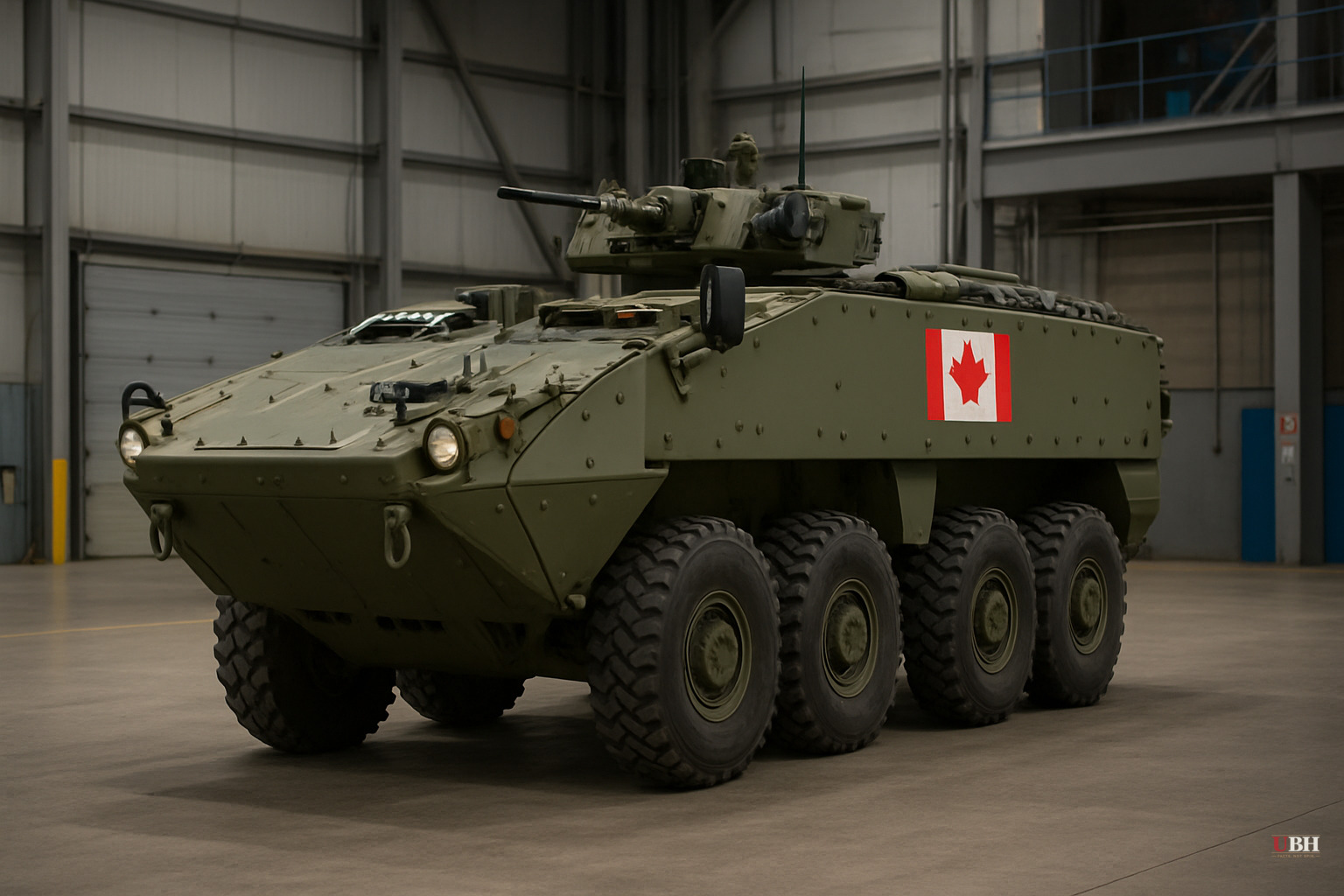
Canada is putting real money behind its military, for once. Prime Minister Mark Carney announced a deal worth nearly 2 billion Canadian dollars, about 1.4 billion USD, to buy 190 new Armoured Combat Support Vehicles from General Dynamics Land Systems-Canada, according to a release from the Canadian government.
The math is straightforward. Canada currently has 360 ACSVs. This deal grows that fleet to 550.
These vehicles are built on GDLS-Canada's light armoured vehicle 6.0 platform. They're replacing aging LAV II Bison vehicles and M113 tracked carriers that have been in service for years. The ACSVs handle troop and cargo transport, ambulance duty, maintenance and recovery, and command post functions, according to the Canadian government's release.
Jobs Attached to the Deal
Carney framed this as more than a defense purchase. In a social media post announcing the deal, he said more than 6,000 workers from over 600 Canadian suppliers across the country will design, build, and sustain the vehicles.
Defense manufacturing does create real jobs. Whether 6,000 workers spread across 600 suppliers translates into durable, long-term employment or gets padded in the retelling is something taxpayers should watch as contracts actually get awarded and delivered.
First Deal Under a New Framework
This is the first official partnership under Canada's Defense Industrial Strategy's Strategic Partnership Framework, a newly established initiative meant to set a long-term vision for strengthening the country's defense industrial base, according to the government's website.
David McGuinty, Canada's minister of defense, said in the announcement that strategic partnerships with Canadian industry are fundamental to ensuring the Canadian Armed Forces have what they need, both now and in the future. He tied the deal to jobs, sovereignty, and innovation.
The actual test is delivery: does GDLS-Canada get these 190 vehicles built and fielded on time and on budget, or does this join the long list of defense procurement programs that slip years behind schedule.
Where the Vehicles Are Actually Going
The new vehicles are earmarked for training rotations at Canadian Armed Forces bases nationwide, according to today's release.
Canada already has ACSVs deployed with the Canadian-led NATO Multinational Brigade in Latvia, an undisclosed number according to the government's announcement. Canada has also donated 89 ACSVs to Ukraine outright, with another 35 committed at the 2026 NATO Summit. That's on top of more than $8.5 billion in total Canadian military assistance to Ukraine.
This isn't purely a domestic replenishment story. Canada has been giving away armored vehicles to Ukraine faster than it's been able to backfill its own fleet, and this deal is partly about restocking what's been sent overseas.
The Bigger Picture
Canada has faced years of criticism, including from NATO allies and its own defense analysts, for underfunding its military relative to its economy. Canada has historically fallen short of NATO's 2% of GDP defense spending target, a benchmark that's become a flashpoint given renewed pressure from Washington and rising threats from Russia and China.
A fair critic could argue this $1.4 billion deal is a modest step relative to the scale of the problem. Armored personnel carriers are useful, but they don't address bigger gaps in Canada's military like fighter jet fleets, naval readiness, or Arctic sovereignty capabilities, areas where Canada has faced sustained scrutiny for years.
One vehicle contract doesn't fix a military that's been stretched thin for a generation. But rebuilding a defense industrial base doesn't happen with one mega-purchase. It happens with a series of contracts like this one, building capacity and supply chains over time.
Carney's government is betting that this Strategic Partnership Framework becomes the template for future deals, not a one-off announcement. Whether Ottawa follows through with additional contracts, and whether GDLS-Canada delivers these 190 vehicles on the timeline promised, will determine if this is the start of a real rebuild or just another press release with a big number attached to it.
Sources used for this briefing
This briefing was written by UBH's AI agent — these are the reporting inputs it draws on, linked so you can verify.


