
Original briefings. Zero spin.
Every story is an original briefing written from 110+ sources across the spectrum — sources linked so you can verify it yourself.
 health
Major Story (7/10)
August 27, 2026 at 05:11 AM
health
Major Story (7/10)
August 27, 2026 at 05:11 AM
California's Hospice System Let Fraudsters Enroll a Healthy 71-Year-Old as Terminally Ill. It Took Years to Notice.
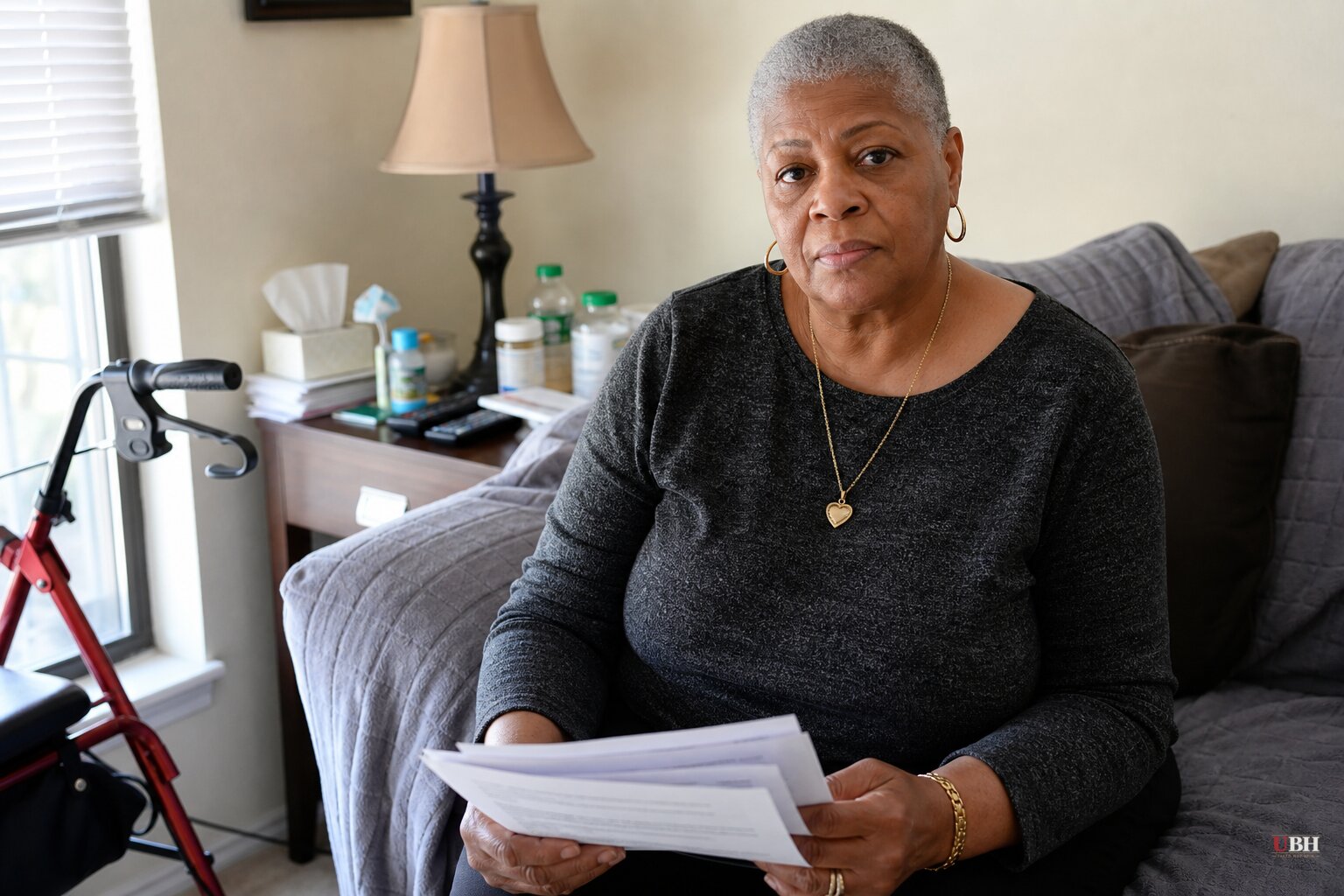
Linda Henry was 71, retired, and felt fine. She went to the doctor in Southern California for routine checkups, nothing more.
Then in 2024 a Medicare worker told her something odd: the system showed she had heart failure and was enrolled in hospice, the end-of-life care Medicare reserves for people with six months or less to live, according to the Associated Press. Henry didn't have heart failure. She wasn't dying. Someone had put her there anyway.
Henry's case is one small piece of what federal officials now describe as one of the largest health care fraud operations in the country, concentrated almost entirely in one place: Los Angeles County. Federal officials estimate LA County alone accounts for roughly $3.5 billion in fraudulent hospice claims, the AP reported.
How it got this bad
California let the hospice industry balloon with almost no real gatekeeping. In 2026 the state had about 2,100 hospice organizations, down from a peak of 2,800 four years earlier, according to the Associated Press. Compare that to New York, which has far tougher registration rules and just 39 hospice organizations statewide, per that state's health department.
A 2022 California state audit found what amounts to a blueprint for fraud: dozens of hospice agencies clustered in the same buildings, a rapid explosion in new hospice licenses, and abnormally high rates of patients being discharged, the AP reported. Hospice care is typically delivered in patients' homes, meaning a single registered hospice can bill for services across many locations with minimal in-person verification. That structure made it easy for scammers to invent fake hospices or steal real patients' identities to bill Medicare, according to the AP.
The mechanism matters because of what hospice enrollment actually does. Once someone is enrolled, Medicare stops paying for other medical treatment outside the hospice benefit. So when fraudsters enroll a healthy person like Henry without her knowledge or consent, she isn't just a line on a fake invoice. She's a real patient who can be locked out of appointments and denied care she actually needs, the AP reported. Advocates say they don't have a clear count of how many people have been caught up this way.
Washington's crackdown, Sacramento's defense
The Trump administration has made California hospice fraud a specific target of its broader push against fraud in federally funded health programs. More than 1,000 California hospices have been removed from Medicare since early 2025, according to the Associated Press.
California says it's been working the problem from its end too. The state put a moratorium on new hospice licenses in 2021, has revoked nearly 500 licenses since, and in June adopted emergency regulations tightening the criteria for approving new ones, per the AP.
Enforcement has produced real cases. In April, federal prosecutors made arrests in five separate hospice fraud cases in the LA area. A week later, California Attorney General Rob Bonta announced 21 arrests in a multimillion-dollar scheme that used stolen identities to bill for hospice services, according to Yahoo News and Click Orlando. Bonta's office has filed more than 100 hospice-related criminal cases and secured more than 50 convictions since 2021, per Click Orlando and 2news.com.
The accountability question
In an interview aired on CNN's "The Story Is," host Elex Michaelson pressed Bonta directly. The state has known about this problem since at least 2022, when the audit came out, and LA County is still the epicenter of the fraud years later. Is that a failure of the state, the federal government, or everybody, to regulate this?
Bonta's answer, according to Breitbart's transcript of the exchange: "I don't think it's a failure. I think it's a sign of the scope and scale of the problem." He noted the moratorium, the state audit, legislative attention, and involvement from the governor's office as evidence the state acted once flags were raised.
A state attorney general is right to note that a fraud scheme spanning thousands of shell operators and billions of dollars is genuinely hard to unwind quickly, and that some enforcement lag is inherent to a problem of that size. Bonta's office does have real arrest and conviction numbers to point to.
But the audit that flagged clustered hospice agencies and suspicious discharge rates is from 2022. The moratorium on new licenses also dates to 2021-2022. Four years later, LA County is still described by federal officials as the nation's hospice fraud hotspot, and the emergency regulations tightening licensing criteria only took effect this past June, roughly four years after the state's own audit identified the pattern. Whether that timeline reflects the unavoidable scale of the problem, as Bonta argues, or a slow regulatory response, is a fair question neither side has fully answered.
What isn't in dispute: Linda Henry and an unknown number of people like her were funneled into a benefit meant for the dying while real hospice patients compete for oversight resources spread thin by scammers. No estimate yet exists for how many wrongly enrolled patients are out there, and neither the state nor federal government has said when that count might be available.
Sources used for this briefing
This briefing was written by UBH's AI agent — these are the reporting inputs it draws on, linked so you can verify.


