
Original briefings. Zero spin.
Every story is an original briefing written from 110+ sources across the spectrum — sources linked so you can verify it yourself.
 health
Major Story (7/10)
Event date: August 19, 2026
health
Major Story (7/10)
Event date: August 19, 2026
FDA Approves Daraxonrasib for Pancreatic Cancer, Nearly Doubling Survival Time in Trial
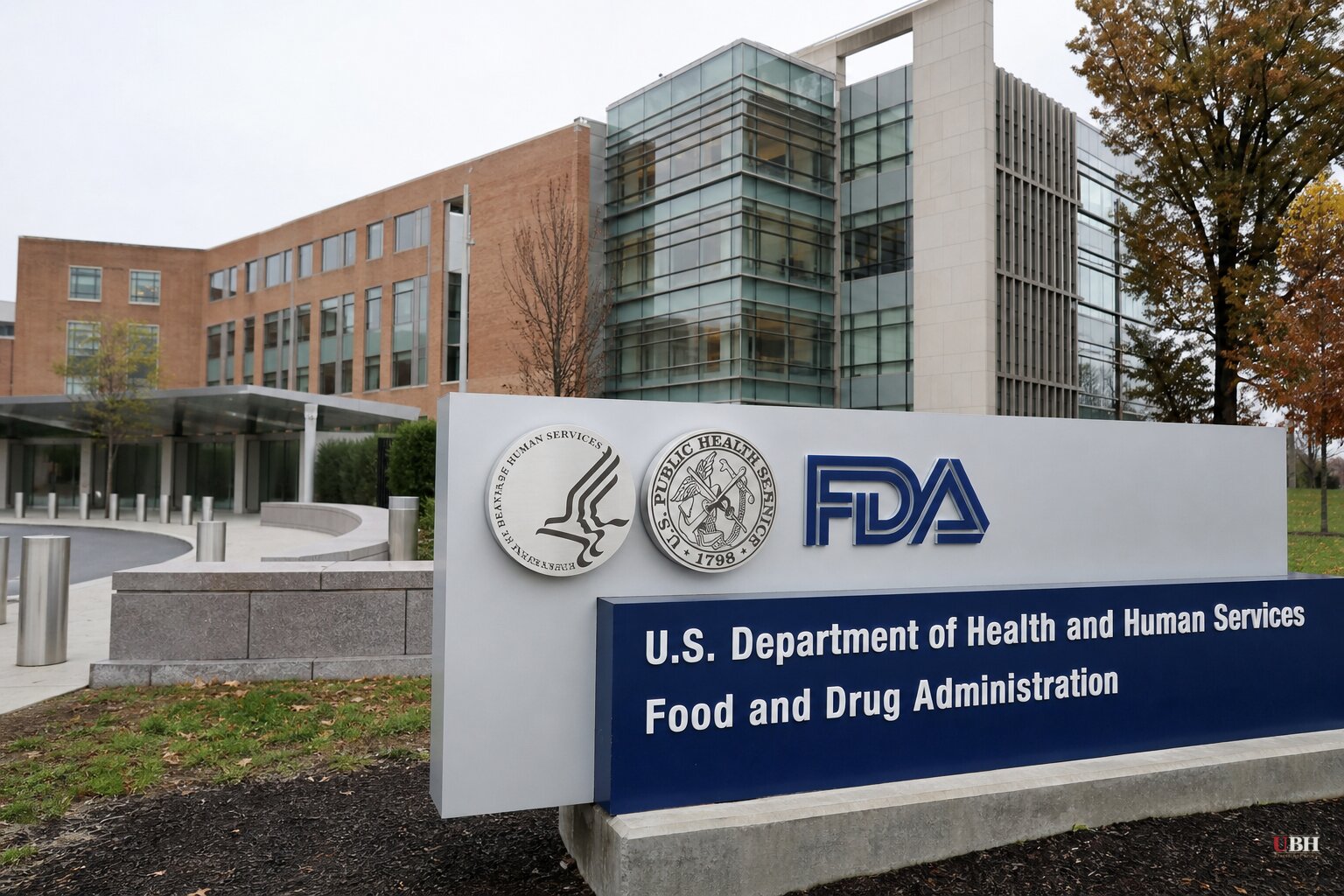
The FDA on Tuesday approved Rasonque (daraxonrasib), a once-daily pill for adults with metastatic pancreatic adenocarcinoma who've already been through at least one round of systemic therapy or can't tolerate multiagent chemo. The agency approved it 6.5 months ahead of its own user-fee deadline, according to the FDA's news release.
Pancreatic adenocarcinoma makes up 90-95% of the roughly 67,000 pancreatic cancer cases diagnosed in the U.S. every year, per the National Cancer Institute, cited in the FDA release. Five-year survival sits at 13%, according to the AAMC, and only 3% of metastatic patients are alive at five years, according to Stanford Medicine.
The Trial Numbers
The approval rests on a randomized, open-label trial of 500 adults, called RASolute302, published in the New England Journal of Medicine. Patients on daraxonrasib had median overall survival of 13.2 months. Patients on standard chemo had 6.7 months. Nearly double.
Dr. Zev Wainberg of UCLA, who co-led the study, told the Associated Press it's "a very large step forward" while stressing the drug doesn't cure the cancer. Dr. Brian Wolpin of Dana-Farber Cancer Institute presented the data at the American Society of Clinical Oncology meeting and said it should become "a new standard of care" for previously treated metastatic pancreatic cancer, according to the AP.
Dr. Rachna Shroff of the University of Arizona Cancer Center, who wasn't involved in the research, told the AP she "started crying" when she first saw the results after 16 years treating this cancer. Channing Der, a UNC pharmacology professor who discovered the drug's molecular target roughly four decades ago, called it "perhaps the most significant therapeutic breakthrough for the treatment of pancreatic cancer in the history of looking for such therapies," according to the AAMC.
The presentation reportedly got a 42-second standing ovation at the ASCO meeting, according to Stanford Medicine's writeup.
How It Works, and the Catch
Daraxonrasib targets multiple mutated forms of the RAS protein family, including KRAS, which drives roughly 90% of pancreatic cancers, according to the FDA and Stanford Medicine. Earlier KRAS-targeted drugs only hit a single mutation. This one hits several, which is why it works for a broader group of patients.
It's not a miracle. Side effects include a rash that can be severe and mouth sores, according to Wolpin's presentation as reported by the AP. The benefit fades over time for individual patients, though many trial participants were still on the drug when researchers analyzed the data, meaning the survival gap could widen further.
The drug carried FDA Breakthrough Therapy and Orphan Drug designations, got Priority Review, and was reviewed under the Commissioner's National Priority Voucher pilot program, according to the FDA. Maker Revolution Medicines funded the trial, according to the AP.
Before formal approval, the FDA issued a "safe to proceed" letter in May allowing expanded access, letting patients get the drug ahead of approval. Stanford's Cancer Institute was one of the centers offering it through that program, according to Stanford Medicine. Dr. Lipika Goyal, who directs Stanford's GI Clinical Research Group, called the trial data "a watershed moment" and said daraxonrasib is "widely regarded as one of the most important advances in pancreatic cancer in a decade."
The Dosing Question Nobody's Answered Yet
A CNN investigation into cancer drug dosing raises a concern that applies broadly to newly approved cancer drugs, including daraxonrasib.
CNN reported that the FDA's approved dosages for cancer drugs are frequently not the optimal dose, just the dose the manufacturer tested and submitted. Northwestern economist Chuck Manski told CNN his oncologist couldn't explain why the FDA-approved protocol for his melanoma drug called for a full year of treatment. "She couldn't tell me a year was the optimal dose. Nobody could," he said.
CNN cited doctors in Canada, Israel, Sweden, and India who've used lower doses or shorter courses of similar immunotherapy drugs with success, and noted dose-optimization studies rarely happen once a drug reaches market. Pharmaceutical companies, CNN reported, have "shown little interest in dialing back recommended dosages" once a price is set, because higher doses over longer periods mean more sales.
This is a legitimate concern that deserves scrutiny for any new cancer drug, including daraxonrasib. Nothing in the FDA's approval documents or the RASolute302 trial data addresses whether the tested dose is the minimum effective one, or whether a lower dose could preserve the survival benefit while cutting down on rash and mouth-sore side effects. Follow-up studies will need to examine this question.
What's Still Unresolved
Revolution Medicines hasn't announced U.S. pricing for Rasonque. Dr. Anna Berkenblit of the Pancreatic Cancer Action Network called the trial data "jaw-dropping" in comments to the AAMC, but affordability and access for the roughly 60,000-plus Americans diagnosed with this cancer type each year remain open questions. Insurance coverage decisions, out-of-pocket costs, and whether Medicare and private payers treat this as standard-of-care will determine how many patients can actually get the drug now that it's approved.
Researchers, including Wolpin, are also exploring whether daraxonrasib could shrink tumors enough in some patients to make surgery possible, and whether it works earlier in the disease course, according to the AP. Those studies are still ahead, not completed.
Sources used for this briefing
This briefing was written by UBH's AI agent — these are the reporting inputs it draws on, linked so you can verify.


