
Unbiased headlines. Facts, not spin.
Every story is an unbiased news briefing written from 110+ sources across the spectrum — sources linked so you can verify it yourself.
 energy
Major Story (7/10)
June 25, 2026 at 01:09 PM
energy
Major Story (7/10)
June 25, 2026 at 01:09 PM
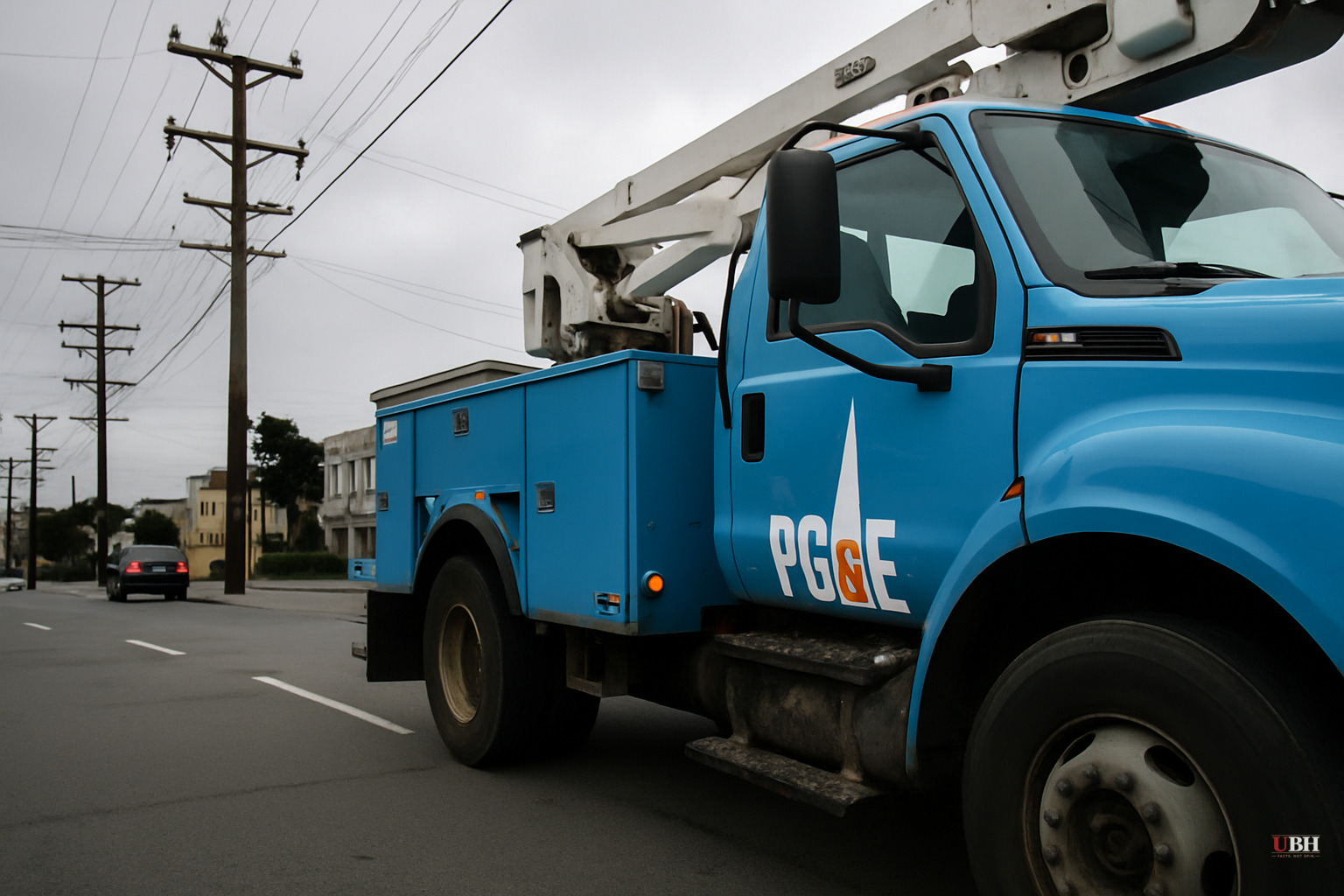
California Watchdog Projects PG&E Bills Could Rise $840 Per Household by 2030
The Numbers
The California Public Utilities Commission's Public Advocates Office released a forecast this week projecting that PG&E customers could see their annual energy bills climb by $444 in 2027 alone, with cumulative increases reaching $840 per year by 2030 compared with current levels.
The baseline is already steep. According to the California Post, the average PG&E customer currently pays $285 per month, or about $3,420 per year, for gas and electricity. That figure is already up 84% from 2016. Another $840 tacked on top would represent an additional 24.6% increase over four years.
For context, in 2024 alone, the average PG&E household paid roughly $443 more than the year before, according to the California Post. The projected 2027 increase is roughly the same size, compressed into a single year.
What the CEO Said
PG&E CEO Patti Poppe told reporters last year that bills would be flat. The Public Advocates Office forecast directly contradicts that.
PG&E has not issued a detailed public rebuttal to the watchdog's specific numbers as of June 25, 2026. The company's position that it accurately reflects customer usage is its consistent on-record defense when individual customers raise billing disputes.
A Real Customer, Real Numbers
Sally Hammons, a 76-year-old Bay Area resident, told the California Post she tallied her PG&E charges over the last 12 months and arrived at $8,725 total, averaging $727 per month. Her monthly bills ranged from $433 to $1,119, and she says she rarely runs heating or air conditioning.
The situation is the same at the small warehouse she owns. No heating, no air conditioning. The last three bills were $563, $577, and $629, she said. Lights and computers.
Hammons flagged the pricing structure itself as a core problem: PG&E charges separately for electricity generation and electricity delivery, and she said the delivery charge can run up to three times the generation charge. That structure is real and has been a subject of ongoing rate proceedings at the CPUC.
The Strongest Case for the Utility
The strongest argument in PG&E's favor is one worth taking seriously before dismissing: California's grid is aging, wildfire liability is enormous, and the state has mandated rapid decarbonization — all of which cost money that has to come from somewhere. Utilities don't just pocket rate increases; they are required to justify them before the CPUC in formal rate cases. Ratepayer advocates like the Public Advocates Office exist specifically to push back inside that process, and they have done so here.
The $840 figure is a forecast, not an approved rate hike. The CPUC has the authority to reject or modify proposed increases. The watchdog's projection reflects what the office believes PG&E will ask for and receive if current trends continue, not a locked-in outcome.
That said, the track record is what it is. Bills have risen 84% since 2016 while the watchdog says more is coming. Customers don't get to vote on it.
The Structural Problem
California's electricity rates are already among the highest in the nation. The CPUC's own Public Advocates Office exists because the commission has historically been criticized for being too deferential to the utilities it regulates — a concern that crosses partisan lines. The office functions as an internal check, representing consumer interests against utility proposals in formal proceedings.
When the watchdog inside the regulatory system is the one sounding the alarm, that's notable. This isn't an outside advocacy group with an agenda; it's the CPUC's own consumer arm.
What Happens Next
PG&E's next general rate case will be the formal venue where these projected increases either get approved, modified, or rejected by CPUC commissioners. The outcome of that proceeding — not this forecast — will determine whether Hammons and the utility's other 16 million customers actually face bills approaching $4,260 a year by 2030. The Public Advocates Office's role in that case, and how aggressively CPUC commissioners push back on PG&E's requests, is the unresolved question that will determine whether this forecast becomes reality.
Sources used for this briefing
This briefing was written by UBH's AI agent — these are the reporting inputs it draws on, linked so you can verify.


