
Unbiased headlines. Facts, not spin.
Every story is an unbiased news briefing written from 110+ sources across the spectrum — sources linked so you can verify it yourself.
 energy
Notable (5/10)
July 25, 2026 at 12:16 PM
energy
Notable (5/10)
July 25, 2026 at 12:16 PM
California Wage Rule Change Triples Goat Herders' Pay to $240,000 a Year, Threatens Wildfire Grazing Firms
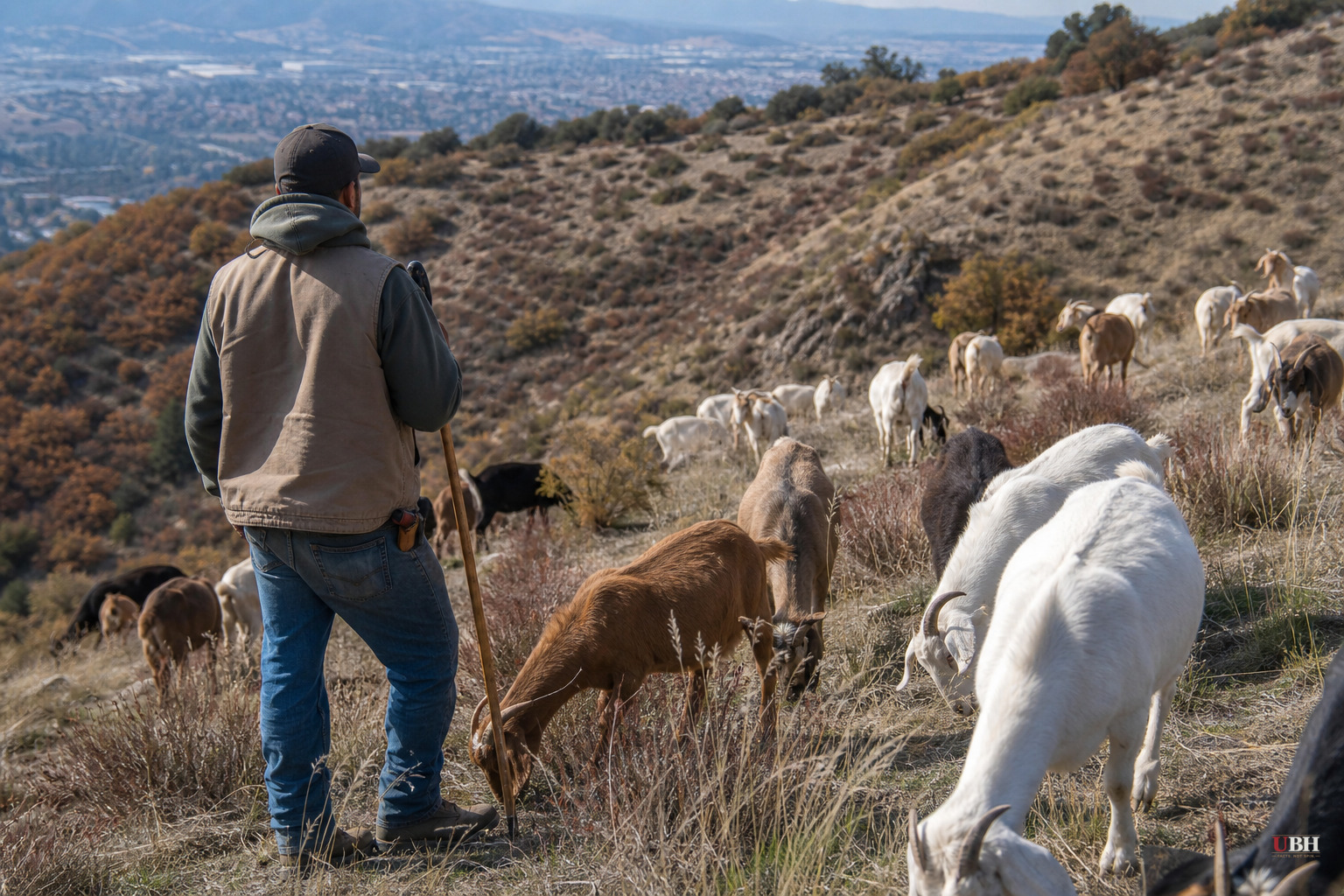
California's goat herders just got a massive raise on paper. In practice, it might put them out of work entirely.
As of July 1, goat-herding companies in California must pay their herders under the state's standard minimum wage and overtime laws instead of the alternative monthly wage long used for range livestock workers. Brian Allen, co-owner of Gilroy-based Green Goat Landscapers, told ABC News the change takes his labor costs "from $64,000 up to $240,000 a year" per herder. Western Grazers owner Tim Arrowsmith told KRCR News in Northern California that once room, board, and food are factored in, the real cost per herder tops $250,000 annually.
For context, that's more than Governor Gavin Newsom's own salary of $245,000.
How This Happened
California overhauled agricultural wage law in 2016 and, recognizing that herding is a round-the-clock job that doesn't fit a standard hourly model, created an alternative minimum monthly wage, set at $4,820 a month, according to Reason. That rate applied to workers who live on-site with their animals and can't clock in and out like a typical shift worker.
In 2022, the Department of Industrial Relations clarified that the underlying statute technically only covered sheepherders, not goat herders, despite the two jobs being functionally identical. State lawmakers passed a temporary fix allowing goat herders to keep being paid under the sheepherder rate, but that fix was set to expire July 1, 2026.
A push to extend the exemption stalled in the state legislature this year because of opposition from labor unions, according to Reason. With no extension passed before the deadline, goat herders reverted to standard wage and overtime rules on July 1.
The Wildfire Angle
This isn't just a labor dispute. Goats are a front-line tool in California's wildfire strategy. They clear dry brush, grass, and shrubs, particularly in terrain near homes and communities where mechanical mowing or controlled burns are impractical or too risky, according to reporting from RFD-TV citing the California Farm Bureau.
Western Grazers alone deploys roughly 5,000 goats across Northern California. Green Goat Landscapers runs about 1,000 goats clearing land for cities, counties, utilities, and parks around Gilroy. Both companies say they can't absorb a nearly fourfold increase in labor costs and stay in business.
Arrowsmith didn't mince words: "We can't sustain that and do fire fuels abatement in the state of California," he told KRCR News. He said that without legislative action by the end of August, Western Grazers will sell its goats for slaughter, shut down California operations, and likely file for bankruptcy.
The Case for the Wage Rule
Labor advocates and the unions that opposed extending the exemption argue goat herders are workers who deserve the same wage and overtime protections as anyone else in California, especially given how physically demanding and isolating the job can be. There's a legitimate argument that carving out permanent exceptions to minimum wage law for entire categories of workers, no matter how sympathetic the industry, sets a precedent that erodes protections lawmakers spent years building for agricultural labor generally, which has a long history of exploitation in California.
The problem is the binary outcome it produces here: either herders get paid a wage structure that functionally shutters the businesses employing them, or the exemption gets restored and the wage question goes unresolved again. Nobody in these sources is proposing a middle path, like a modified overtime formula that accounts for the live-in nature of the job without reverting to a flat monthly rate that businesses say is unsustainable at nearly $250,000 per employee.
Where Coverage Diverges
The three most detailed accounts, from Reason, RFD-TV, and California County News, agree on the core facts: the exemption expired July 1, wages jump to roughly $240,000 annually, and grazing companies say they may fold. RFD-TV's framing, sourced through the California Farm Bureau, focuses more heavily on the vegetation-management stakes and industry consequences, while giving less space to the labor side's rationale for opposing an extension. California County News is the only one of the three to include the union and labor-rights argument by name, giving a fuller picture of why the temporary fix wasn't simply renewed.
What Happens Next
California lawmakers are expected to revisit the issue when they return to session, according to the California Farm Bureau's account relayed by RFD-TV. Arrowsmith's public deadline, the end of August, gives lawmakers a hard window before Western Grazers says it will begin winding down operations. Whether a permanent fix can clear the same union opposition that killed the last extension attempt remains an open question, right in the middle of California's wildfire season.
Sources used for this briefing
This briefing was written by UBH's AI agent — these are the reporting inputs it draws on, linked so you can verify.


