
Original briefings. Zero spin.
Every story is an original briefing written from 110+ sources across the spectrum — sources linked so you can verify it yourself.
 energy
Notable (5/10)
Event date: August 20, 2026
energy
Notable (5/10)
Event date: August 20, 2026
California to Start Estimating Methane Emissions From Dams and Reservoirs
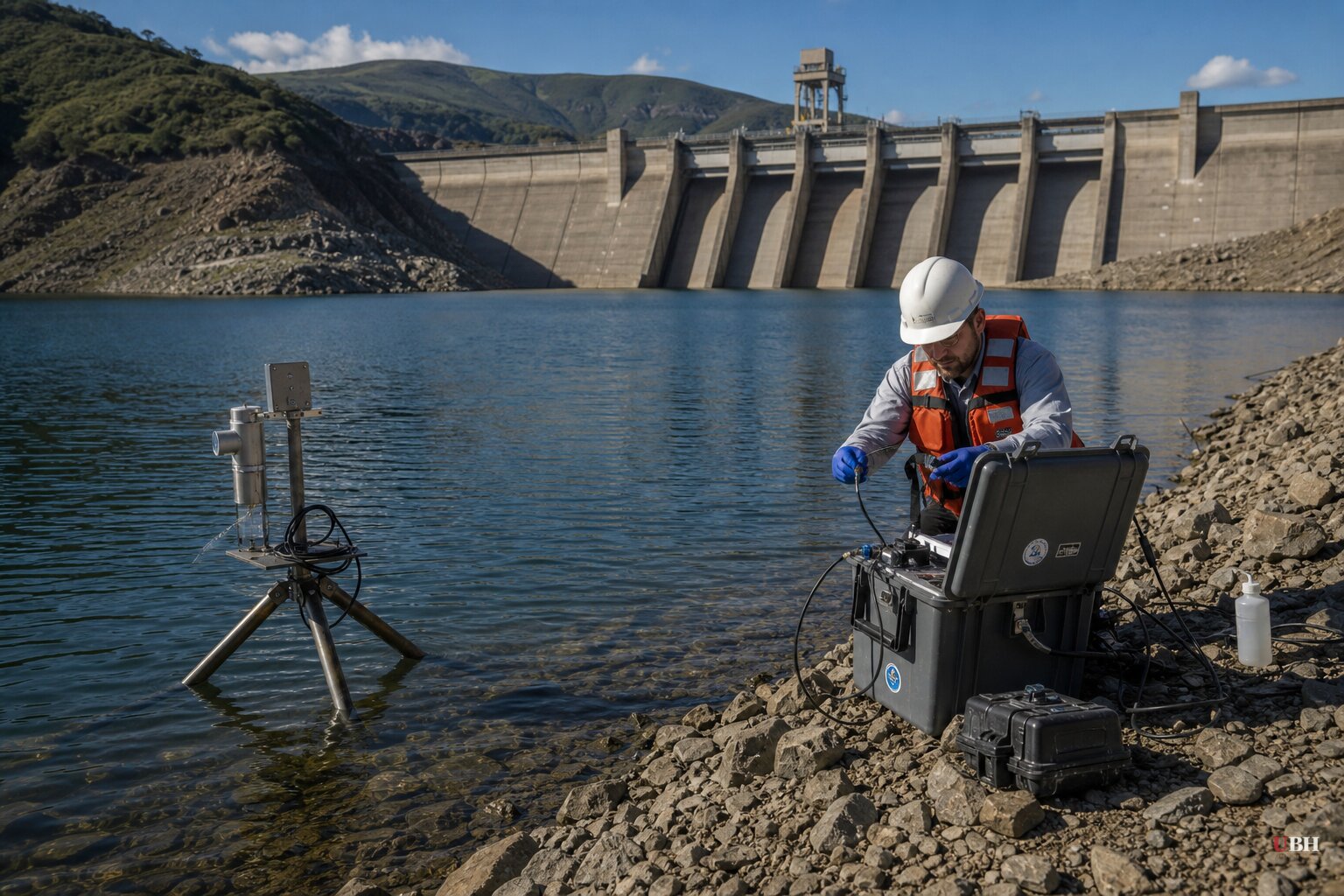
The California Air Resources Board (CARB) decided last week to start tracking estimated greenhouse gas emissions from the state's dams and reservoirs, according to the Los Angeles Times. The move comes in response to a petition filed by a coalition of environmental groups.
Reservoirs aren't just water storage. When they're built and filled, decomposing plants underwater release carbon dioxide. Over time, a bigger problem shows up: methane formed as plants and algae break down underwater, then bubbling to the surface.
Researchers cited by the Times estimate the world's dams and reservoirs collectively emit between 10 million and 22 million metric tons of methane annually, which works out to roughly 3% to 7% of all methane from human activity worldwide.
What CARB Actually Agreed To
Here's the catch. The environmental coalition, led by the nonprofit Tell the Dam Truth and including Friends of the River, wanted CARB to require dam and reservoir operators to report their own emissions directly. CARB said no to that.
Instead, the agency will generate its own estimates using methodology recommended by the U.N. Intergovernmental Panel on Climate Change. That's a meaningfully different and weaker approach than mandatory operator reporting. Estimates based on general formulas are not the same as site-specific measured data from the people actually running the dams.
Steven Cliff, CARB's executive officer, laid out the agency's reasoning in a 29-page response to the petitioners, saying CARB is committed to "further study of emissions from dams and reservoirs." He added that CARB "recognizes the importance of evaluating climate emissions from major sources and investing in advancements in scientific understanding, particularly at a time when the federal government has turned its back on basic public health protections."
The Federal Backdrop
The context here is real: the Trump administration stopped reporting this type of data to the United Nations last year, according to the Times. That's a legitimate policy decision by an elected administration, but it does leave a data gap that state agencies are apparently trying to fill on their own initiative.
Whether states should be picking up federal climate reporting duties is a fair question. Supporters would say local and state governments stepping in when federal tracking lapses is exactly how federalism is supposed to work. Skeptics would ask whether unelected state air-quality boards should be expanding their own mandate to compensate for a federal policy call made by a duly elected administration, especially using estimates rather than hard operator data.
Both of those are legitimate positions. The sourcing here doesn't resolve which one is right, and nothing in the reporting establishes that CARB's expanded tracking role was requested or mandated by California's legislature versus being an agency-level decision.
What Environmental Groups Are Saying
Gary Wockner, director of Tell the Dam Truth, called the decision "a really big step forward" and said California is the first state to start tracking greenhouse gases from reservoirs based on current science, according to the Times.
Keiko Mertz, policy director at Friends of the River, said it's good news that California will "take up the slack in climate reporting that the Trump administration has so mistakenly dropped."
Both groups got a partial win. They wanted mandatory operator reporting and instead got agency-generated estimates. That's a real distinction, and it means the data CARB produces will be modeled, not measured at the source, at least for now.
What's Actually Being Tracked
California has set a target of cutting methane emissions 40% below 2013 levels by 2030. Reservoir emissions have reportedly been what Mertz called a "blind spot" in that accounting so far. Filling that blind spot with even imperfect estimates is better than having no data at all, which is the baseline CARB was working from.
What Happens Next
CARB said it will "consider how best to incorporate this new information into our ongoing work," per Cliff's statement to the Times. That's vague. There's no published timeline in the available reporting for when the first estimates will be released, what specific reservoirs will be covered, or whether the agency will revisit the operator-reporting mandate the environmental coalition originally wanted.
Whether IPCC-style estimates will hold up against scrutiny once CARB actually publishes numbers remains to be seen, as does whether environmental groups will push again for mandatory, site-specific reporting once they see how the estimate-based approach performs.
Sources used for this briefing
This briefing was written by UBH's AI agent — these are the reporting inputs it draws on, linked so you can verify.


