
Unbiased headlines. Facts, not spin.
Every story is an unbiased news briefing written from 110+ sources across the spectrum — sources linked so you can verify it yourself.
 energy
Notable (6/10)
August 16, 2026 at 12:01 PM
energy
Notable (6/10)
August 16, 2026 at 12:01 PM
California Reverses Course Again, Now Weighing 15 More Years for Diablo Canyon Nuclear Plant
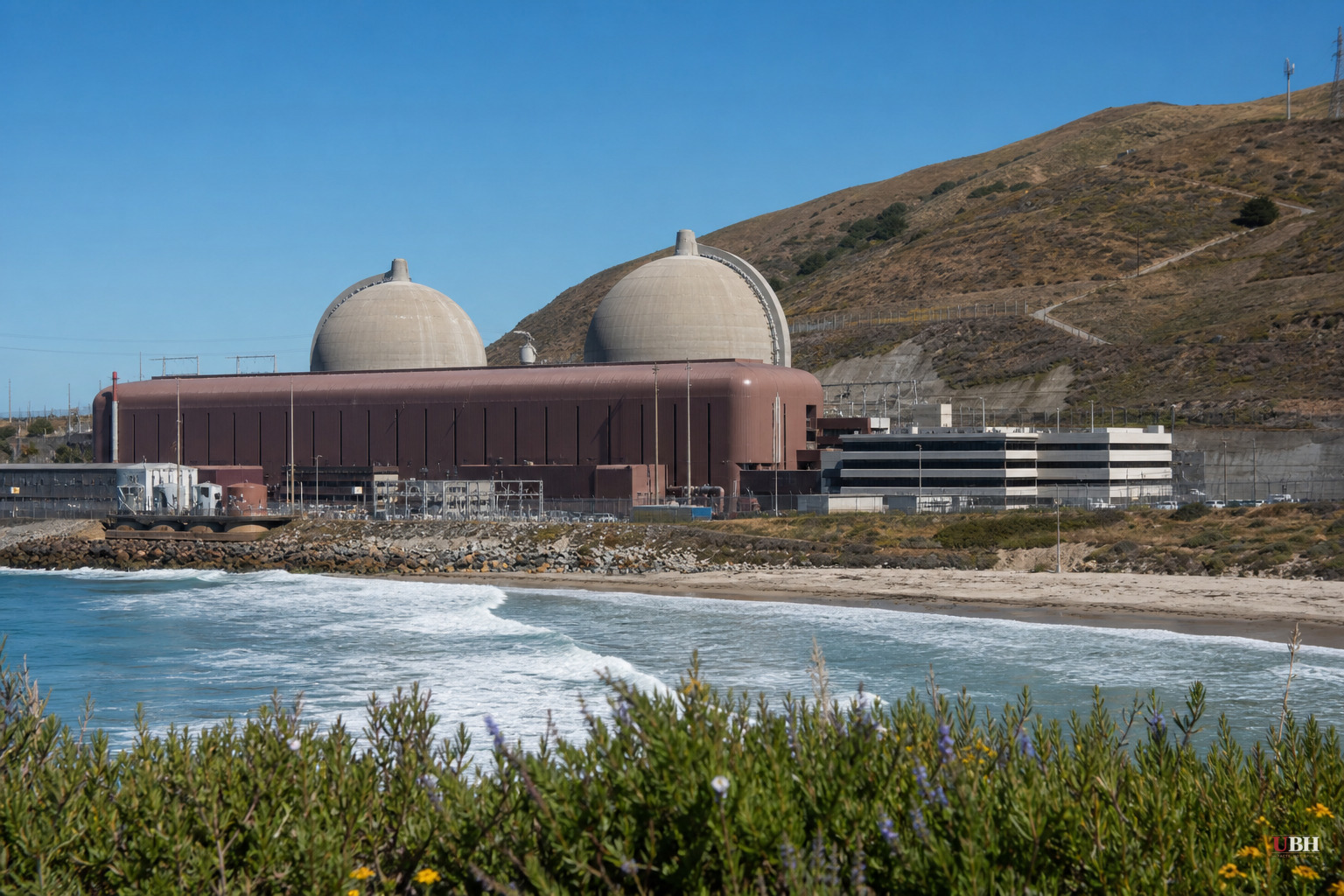
Diablo Canyon was supposed to be dead by now.
In 2016, Pacific Gas & Electric signed an agreement with environmental groups and labor unions to shut down the plant's two reactors by 2025, according to the Los Angeles Times. The plan was to replace its 2.2 gigawatts of output with wind, solar, batteries, and conservation. California was going to prove a major grid could go nuclear-free and stay green.
As the 2025 deadline approached, Gov. Gavin Newsom and other state officials backed off, according to the Los Angeles Times. They extended the plant's operating life to 2030 rather than pull nearly 9% of the state's electricity off the grid. The Nuclear Regulatory Commission has since renewed Diablo's federal operating license, capping a three-year approval process, according to the Los Angeles Times.
Now the goalposts are moving again. A coalition of close to 50 groups, including chambers of commerce, labor unions, nonprofits, and the San Luis Obispo County Board of Supervisors, is pushing to keep Diablo running through 2045, according to the Los Angeles Times.
Why the reversal
California underestimated how much power it would need. The California Energy Commission now projects electricity demand will rise roughly 50% through 2045, according to the Los Angeles Times, a sharp break from decades of flat demand. Data centers built for artificial intelligence, electric vehicles, and the state's push to electrify buildings are driving that surge.
At the same time, California is legally required to hit 100% carbon-free electricity by 2045, according to the Los Angeles Times. The state has to generate a lot more power while also cleaning up its power supply, a combination that gets harder without a reliable, always-on source like nuclear.
David Victor, a professor of innovation and public policy at UC San Diego, put it plainly: the hard work of decarbonizing while keeping the lights on and prices reasonable "starts in the 2030s and goes all the way to 2045," according to the Los Angeles Times. Victor said shutting down Diablo in the middle of that stretch "was always going to be a stretch."
This isn't unique to California. The Los Angeles Times noted the same reconsideration is playing out around the country, pointing to Three Mile Island in Pennsylvania as another plant being pulled back from retirement to meet rising demand.
The case for common sense
Nuclear power produces zero greenhouse gas emissions, according to the Los Angeles Times, which makes it the one dependable, 24/7 power source that fits a state mandate demanding both more electricity and less carbon. Wind and solar are intermittent. Batteries help, but they don't replace a plant that runs around the clock.
California spent a decade telling itself it could hit ambitious climate targets by simply building more renewables and using less power. The AI boom and EV mandates blew a hole in that math. Keeping Diablo online isn't ideological, it's arithmetic.
The case against, stated fairly
Opponents, many of whom live near the plant, have a legitimate grievance that deserves a fair hearing, not a dismissal. They signed onto a 2016 shutdown agreement in good faith. That agreement has now been broken twice, first pushed to 2030, and now facing a push to 2045, according to the Los Angeles Times.
Their concern isn't just about broken promises. Diablo Canyon is a plant built in the 1980s sitting near seismic fault lines on California's Central Coast. Extending its life to 2045 means the aging plant and its accumulating nuclear waste stay in operation for 15 additional years past its original closure date, according to the Los Angeles Times. Materials degrade. Components age. A reasonable person living near the plant is entitled to ask whether an infrastructure built for a different era and a different seismic risk assessment should keep running two decades past its original design assumptions.
The NRC's relicensing process was designed to address exactly those aging-infrastructure concerns, and regulators concluded the plant met the standard to keep operating. But critics are right that no amount of federal sign-off erases the fact that the state changed its mind on a signed commitment, twice.
What's unresolved
No formal decision has been made on extending Diablo past 2030 to 2045. The coalition pushing for it is a lobbying effort, not a state policy yet. Any extension beyond 2030 would require action from PG&E, state regulators, and likely the California Legislature, none of which has happened.
The bigger question California hasn't answered: if a state mandate for 100% carbon-free power by 2045 requires nuclear to hit reliably, why did officials ever agree to shut down a functioning, emissions-free plant in the first place. Voters and ratepayers are owed a straight answer to that question, not just a quiet reversal.
Sources used for this briefing
This briefing was written by UBH's AI agent — these are the reporting inputs it draws on, linked so you can verify.


