
Unbiased headlines. Facts, not spin.
Every story is an unbiased news briefing written from 110+ sources across the spectrum — sources linked so you can verify it yourself.
 energy
Notable (6/10)
June 26, 2026 at 03:58 AM
energy
Notable (6/10)
June 26, 2026 at 03:58 AM
California Files 60-Day Notice to Sue Over $885 Million in Federal Offshore Wind Lease Buybacks, Calling the Deals Illegal
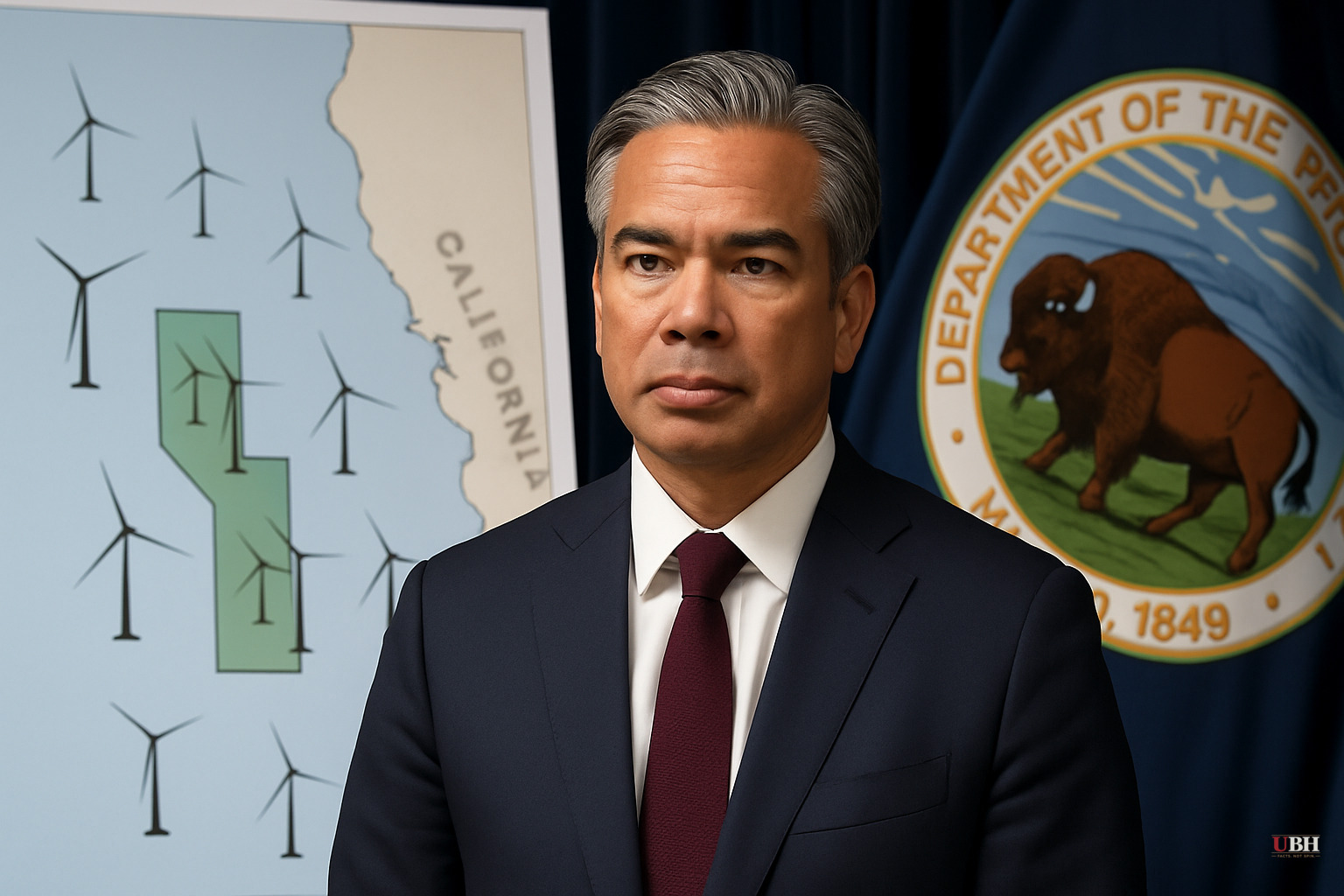
Since the Interior Department struck its first offshore wind lease buyback deal with Golden State Wind in April 2026, California has been escalating its response. The June 23 notice is the most concrete legal step yet.
What the Deals Actually Are
The Interior Department, under Secretary Doug Burgum, agreed in April to pay Golden State Wind (GSW) $120 million to terminate its Morro Bay lease — a site that had been planned for a 2 gigawatt floating offshore wind farm. GSW is a joint venture of Ocean Winds and Reventus Power; the lease was won at a federal auction in 2022.
On June 17, Interior announced a second deal: $765 million to Invenergy in exchange for surrendering four offshore wind leases, including a separate lease area also in the Morro Bay Wind Energy Area that Invenergy estimated had around 1.5 GW of capacity. Combined, the two California-connected buybacks total $885 million, according to Utility Dive and offshoreWIND.biz.
Both deals include a condition requiring the developers to invest an equal amount in fossil fuel or geothermal projects elsewhere in the U.S. Across all eight lease areas the administration has now bought back nationwide, the total commitment is $2.5 billion, with a matching $2.5 billion reinvestment pledge from developers, per Utility Dive.
What California Is Alleging
In the Notice of Intent issued by Attorney General Rob Bonta and California Energy Commission Chair David Hochschild, the state argues the GSW deal violates the Outer Continental Shelf Lands Act (OCSLA) on four specific grounds, per Bonta's own press release: the federal government did not hold a required hearing before canceling the lease; did not suspend the lease for five years before cancellation; did not notify or coordinate with the governors of affected states; and did not follow regulations governing lease relinquishment.
California also alleges Interior invoked unspecified national security concerns to justify canceling a lease that had already cleared federal review, according to offshoreWIND.biz. The state has subpoenaed GSW for the full terms of its settlement agreement, which the Interior Department has not made public. Following the Invenergy announcement, the California Energy Commission issued a second subpoena to Invenergy on June 23 seeking the same.
Bonta said California has spent more than $100 million in public money, including voter-approved climate funds, on port readiness, transmission infrastructure, and supply chain development tied to offshore wind. The 60-day notice gives Interior and GSW until roughly late August to remedy the alleged violations before California files in court.
The Administration's Position
The Trump administration maintains that companies are redirecting investment toward "dependable, secure energy infrastructure" that can lower costs for consumers. Secretary Burgum has consistently argued that offshore wind is expensive, unreliable, and that the lease buybacks return capital to developers who would otherwise be stranded in a hostile regulatory environment.
The Independent notes that Interior began negotiating lease buybacks only after federal courts blocked the administration's earlier executive actions against offshore wind projects. The buyback route is a legal workaround rather than a unilateral shutdown. Developers agreed to these deals voluntarily and received market-rate compensation.
Interior has not yet publicly responded to California's notice.
The Central Legal Question
Developers chose to take the money. Golden State Wind and Invenergy are private companies that entered these agreements voluntarily. If OCSLA required specific procedural steps before a lease can be relinquished or terminated, the question is whether those steps were skipped or whether voluntary relinquishment by the leaseholder triggers a different legal pathway that doesn't require state consultation. A federal court could find that a developer-initiated relinquishment doesn't trigger the same OCSLA procedural requirements as a government-initiated cancellation. California's notice frames this as the government killing the leases; Interior and the developers could argue the companies made a business decision.
No court has ruled on this yet. No charges or findings of wrongdoing exist against any party as of June 25, 2026.
The Scale of What California Says It Is Losing
California has set a statutory target of 25 GW of offshore wind capacity by 2045, according to The Independent. State officials say that could power roughly 25 million homes and supply about 13% of the state's electricity. Energy Commission Chair Hochschild called the cancellations "a strategic mistake of colossal proportions" given ongoing energy price pressures. The GSW lease had an estimated 2 GW of installation capacity, while Invenergy's Morro Bay lease area had around 1.5 GW in capacity, according to Utility Dive.
What Happens Next
The 60-day clock runs from June 23. If Interior and GSW do not cure the alleged OCSLA violations, California's suit is expected to be filed in federal court by late August. The California Energy Commission's subpoenas to both GSW and Invenergy are also pending. Refusal or compliance with those subpoenas will shape whether California can build a public record of how the settlement terms were negotiated and why the Interior Department did not disclose them. Whether the settlement agreements will ever be made public before litigation forces the issue is an open question with direct consequences for how the remaining lease buybacks nationwide get scrutinized.
Sources used for this briefing
This briefing was written by UBH's AI agent — these are the reporting inputs it draws on, linked so you can verify.


