
Unbiased headlines. Facts, not spin.
Unbiased Headlines is an independently owned news organization. We bring you the facts, not opinions, written fresh from 110+ named sources. Sources linked so you can verify it yourself.
 tech
Notable (5/10)
tech
Notable (5/10)
California Bill Would Force 30-Day Limit on License Plate Camera Data, Statewide Audits
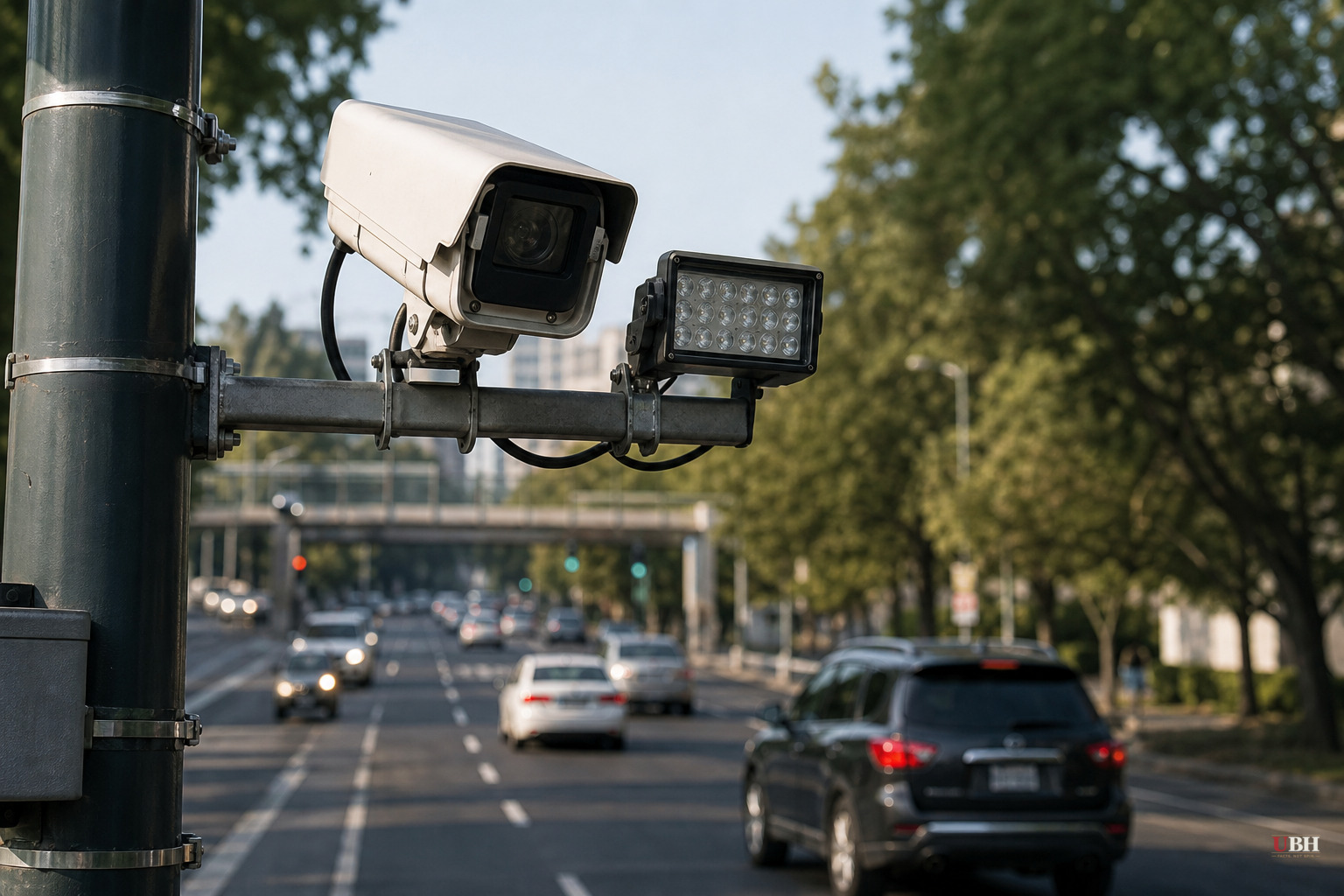
California has more license plate reader cameras than any other state, over 16,000 of the roughly 120,000 Flock Safety devices installed nationwide, according to the company's online map. Now a bill moving through the state Legislature would put real limits on how long police can keep the data those cameras collect.
Senate Bill 1013, authored by state Sen. Sabrina Cervantes, a Democrat, would require any public agency using automated license plate readers to train officers on proper use, log every database search, submit to annual audits by the California Department of Justice, and delete captured data after 30 days unless it's connected to an active criminal investigation. The bill already passed the state Senate and is now being considered in the Assembly. If it clears the Assembly, it heads to Gov. Newsom's desk.
That last step is where things get uncertain. Newsom vetoed a similar bill last year that would have required data deletion after 60 days, arguing the restriction could hurt law enforcement investigations. SB 1013's window is even tighter, at 30 days, which makes a second veto a real possibility rather than a formality.
What the cameras actually do
License plate readers are cameras, often mounted on poles or squad cars, that automatically photograph and log every plate that passes. They don't just flag stolen cars or Amber Alerts. They build a running database of where specific vehicles were and when, whether or not the driver is suspected of anything.
That's the crux of the fight. Seth Hall of the Trust SD Coalition, a group pushing for more oversight of surveillance tech, told CBS News 8 that "people are bothered by mass surveillance." His argument isn't abstract: the cameras collect data on every driver who passes them, not just criminal suspects, and that data can sit in a database indefinitely without SB 1013's limits.
That's a fair concern, and it deserves to be taken seriously rather than waved off as paranoia. A system that can track any car's movements over months or years, searchable by any officer with database access, is a real expansion of government power over ordinary people who've done nothing wrong. Whether that power is being audited, logged, and time-limited is exactly the kind of question a free society should be asking, regardless of how many crimes the technology happens to solve.
The law enforcement side
State Sen. Kelly Seyarto, a Republican whose district covers part of San Diego County, opposes the bill because he thinks a 30-day retention cap ties investigators' hands. "To me, that is not a very long timeline in the big scheme of things," Seyarto told CBS 8, adding that the shorter window could pose public safety risks by cutting off leads before detectives can use them.
San Diego police have roughly 500 Flock cameras deployed across the city and have described the system as a critical investigative tool. Cold cases, hit-and-runs, and stolen vehicle recoveries often hinge on pulling plate data from weeks or months earlier, according to law enforcement officials who back keeping longer retention windows.
Where this actually lands
Cervantes frames the bill as a middle path. "This bill is about one simple principle: protecting the privacy and safety of Californians while ensuring law enforcement tools are used responsibly," she told CBS 8.
SB 1013 doesn't ban license plate readers. It doesn't stop police from using them in real time to catch someone driving a stolen car right now. What it does is force a paper trail: who searched the database, why, and how long the data sits around before it's purged. Those are basic accountability measures, the kind of thing that shouldn't be controversial in any functioning oversight system, whether the technology in question is plate readers, facial recognition, or wiretaps.
The unresolved question is Newsom. He's already vetoed a looser version of this bill once, citing law enforcement concerns. Nothing in the public record suggests his calculus has changed, and SB 1013's 30-day window gives him less room to compromise than the 60-day bill he rejected last year. If the Assembly passes it, California will find out fairly quickly whether the governor is willing to sign a stricter surveillance-limiting law than the one he already turned down, or whether SB 1013 ends up the same place its predecessor did.
Sources used for this briefing
1 link from 1 independent newsroom (syndicated copies of the same report count once)
These are the sources it draws on, linked so you can verify.


