
Original briefings. Zero spin.
Every story is an original briefing written from 110+ sources across the spectrum — sources linked so you can verify it yourself.
 energy
Notable (6/10)
August 19, 2026 at 10:15 PM
energy
Notable (6/10)
August 19, 2026 at 10:15 PM
California Adopts 'Zone Zero' Rule Banning Plants Within Five Feet of Homes in Fire Zones
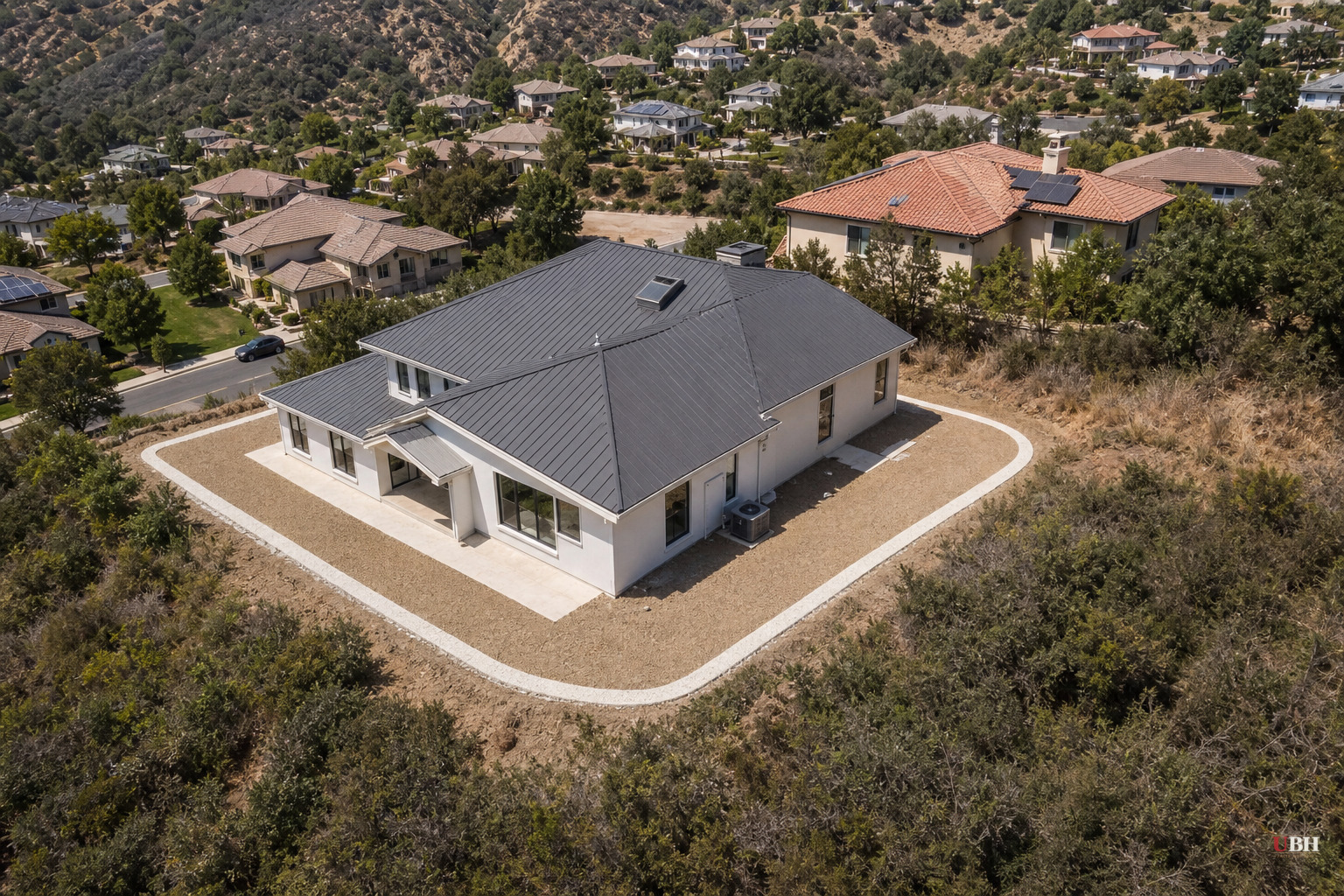
California's Board of Forestry and Fire Protection voted unanimously to adopt new landscaping rules for what officials call "Zone Zero," the five feet of ground immediately surrounding a home, according to the Los Angeles Times.
The rules ban all plants within one foot of a structure and require the full five-foot zone to be clear of combustible material: firewood, fallen leaves, branches, mulch, and wood chips. Wooden sheds are banned in the zone. Wooden fences can't attach directly to the house.
This applies only to homes in California's most fire-prone areas, specifically State Responsibility Areas and Very High Fire Hazard Severity Zones within local jurisdictions, according to the LA Times. Cal Fire estimates that covers about 2 million homes statewide.
Once the formal rule-making process wraps up, most likely in September, existing homeowners will get up to five years to comply. New construction has to meet the standard immediately.
Six Years in the Making
This fight didn't start this week. The Board of Forestry has spent nearly six years working through drafts, public comment, and pushback from homeowners and landscaping interests, according to the LA Times.
Board chair Terrence O'Brien didn't sugarcoat the controversy. "The regulations will make our communities safer," he said at Wednesday's meeting. "Waiting and postponing is not, in my opinion, an option."
California's wildfires have burned roughly 14 million acres and destroyed more than 60,000 homes and structures over the past decade, per the LA Times. Yana Valachovic, a UC Berkeley forest advisor who served as a technical advisor to the board, called it "an existential crisis" for the state.
A UC Berkeley study examining five major California fires from 2017 to 2020 found homes with zero precautions survived just 20% of the time. Homes that cleared Zone Zero survived 37% of the time. Homes with full home-hardening plus defensible space hit a 48% survival rate.
The Legitimate Homeowner Complaint
This is a mandate that reaches directly into how people landscape their own property, and it isn't free. Ripping out foundation plantings, replacing wood fencing that touches a house, and removing sheds costs real money. For lower-income homeowners in fire country that expense isn't trivial.
The rule also isn't uniform. Local governments get some flexibility to tailor it to their communities, which means enforcement and interpretation could vary county to county. That flexibility can be a feature for local conditions, but it can also mean a homeowner in one county faces a stricter inspector than a homeowner in the next county over, with no statewide consistency on what "compliance" actually looks like in practice.
None of the sourced material here shows an independent cost estimate for compliance or a state-funded assistance program for retrofits, which is the practical question every affected homeowner will be asking once the rule is finalized.
Where the Political Coverage Diverges
The Zone Zero vote itself is a technical, unanimous regulatory action. It's separate from the political fight over the 2025 Los Angeles fires and their aftermath, which is where a chunk of right-leaning coverage, including Breitbart's ongoing coverage of Gov. Gavin Newsom, Mayor Karen Bass, and LAFD leadership, has focused instead.
Breitbart's coverage catalogs disputes over the mayor's absence during the fires, the removal of former LAFD Chief Kristin Crowley, City Council debates over budget cuts, and Newsom's claim that 2,500 rebuilding permits were approved within the first year after the fires. Those are real, documented controversies, but they're about disaster response and rebuilding bureaucracy in Los Angeles, not the statewide Zone Zero landscaping regulation the Board of Forestry just approved. Treating them as the same story risks conflating two separate accountability questions: how well did LA officials respond to a specific disaster, versus whether a new statewide fire-prevention mandate is sound policy.
The LA Times, for its part, doesn't address the Los Angeles fire recovery disputes at all in its Zone Zero coverage, and doesn't examine compliance costs or enforcement mechanics for the millions of affected homeowners in detail either.
What Happens Next
The rule still has to complete formal rule-making, expected to finish in September. Once finalized, the clock starts on that five-year compliance window for existing homes, while new construction in the affected zones has to meet the standard right away.
For the roughly 2 million households covered by this rule, key questions remain: what enforcement will actually look like, who pays for retrofits on properties that can't easily absorb the cost, and whether the local flexibility built into the rule produces meaningfully different standards from one county to the next.
Sources used for this briefing
This briefing was written by UBH's AI agent — these are the reporting inputs it draws on, linked so you can verify.


