
Unbiased headlines. Facts, not spin.
Unbiased Headlines is an independently owned news organization. We bring you the facts, not opinions, written fresh from 110+ named sources. Sources linked so you can verify it yourself.
 economy
Major Story (8/10)
Event date: October 11, 2026 ·
economy
Major Story (8/10)
Event date: October 11, 2026 ·
Bulgarian PM Radev Backs Trump-Putin Diesel Deal at EU Summit as Sweden Calls It the 'Wrong Direction'
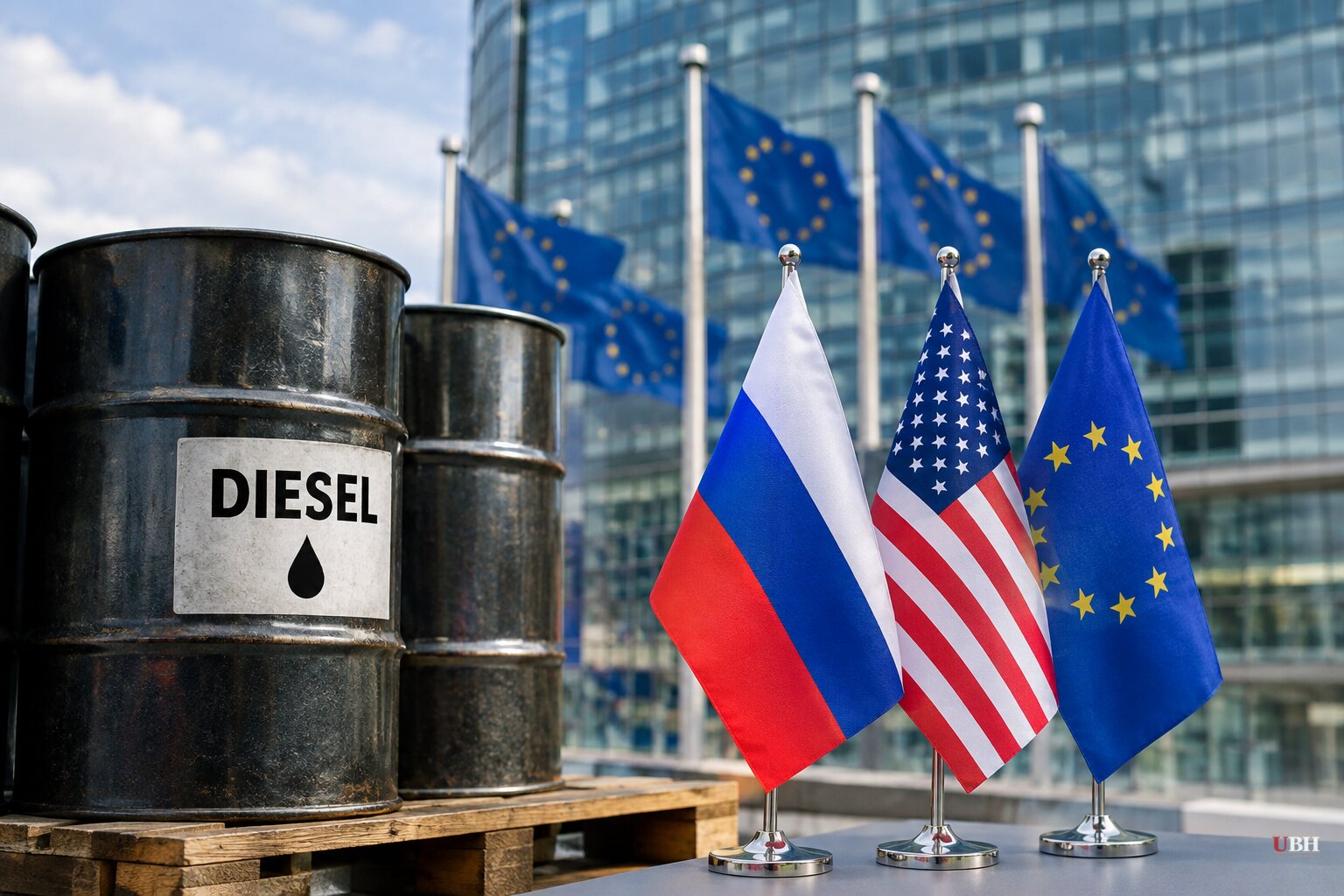
Since Trump announced the Russian diesel arrangement on Oct. 9, European criticism has been close to uniform. That changed at the EU summit in Brussels on Thursday, Oct. 15, when Bulgarian Prime Minister Rumen Radev backed the deal as he arrived.
"You know what is our problem right now in Europe? High fuel prices," Radev said. "Any step in reducing the fuel prices and to guarantee our competitiveness, we appreciate."
His comments put him at odds with the other leaders, who have condemned the arrangement as risky, dangerous and misguided.
Sweden: 'In the wrong direction'
Swedish Prime Minister Ulf Kristersson said he and his government "very much regret this agreement on diesel."
"It's obviously not a very big part, but still it's in the wrong direction," Kristersson said. "Every step now to help the Russians to increase their financing of the war is a bad sign. So we very much stick to Volodymyr Zelenskyy's view."
That follows the line EU foreign policy chief Kaja Kallas took after the announcement. Kallas said the U.S. suspension of sanctions gives Moscow "more revenue to wage the war" and that "it is not the time" to ease pressure on Russia. Germany's government spokesman Stefan Kornelius has said Berlin "remains committed to the decisions on sanctions against Russia."
The price pressure behind the split
Radev's argument is about cost. Oil remains above $100 a barrel despite a recent G7-wide release. Gas is trading at its highest level since winter 2022, with underground storage running below average.
Ongoing hostilities in the Middle East dash hopes of an easy way out, according to Euronews' summit coverage. Energy prices are the first item on the leaders' agenda Thursday. China, the EU budget and enlargement follow.
The pain is not confined to Europe. U.S. diesel averaged around $6.28 a gallon, after a record $6.53 at the end of September.
What the deal does
Trump says Russia will release 300,000 tonnes of diesel immediately to the U.S. and global markets, 500,000 tonnes in November and 1 million tonnes after that. He has said another 3 million tonnes could follow, depending on the condition of Russian refineries.
The Treasury's Office of Foreign Assets Control issued a license authorizing the sale, delivery, unloading and import of Russian-origin diesel, including into the U.S. market, until April 7, 2027. The license keeps restrictions on payments through accounts at three Russian state financial institutions. Other frozen Russian assets stay frozen.
Russia said it had partially lifted its diesel export ban, which has been in place since July. The Kremlin said Putin received Trump's proposals with "understanding."
The International Energy Agency says drone strikes on Russian refineries and sanctions on Russian petroleum have knocked out nearly one-third of the country's export capacity. How much diesel Russia can actually deliver is an open question.
Kyiv's objection and the energy ceasefire
Zelenskyy has called the arrangement a "biased gift to Putin." He wrote that "every additional billion dollars they can earn from exports will be spent on nothing but sourcing and importing critical components and equipment to manufacture weapons."
He said Russia "thanked" the lifting of diesel sanctions by dropping five glide bombs on residential buildings in Zaporizhzhia.
Retired Gen. Philip Breedlove, the former NATO supreme allied commander Europe, told Fox News Digital that Washington is "cutting a deal with the enemy" and that "all of this money will go into fueling Mr. Putin's continued attacks in Ukraine."
Trump answered Zelenskyy's criticism on Oct. 10 by saying Ukraine should get "a new leader who can make a deal." On Oct. 11 he announced an "energy ceasefire" between Russia and Ukraine, saying both sides had agreed. Zelenskyy said Ukraine was ready to stop striking Russian energy sites if Moscow did the same. He also said Russia had carried out more than 200 strikes on Ukrainian power facilities and 17 on gas and oil infrastructure in the prior week, killing more than 150 people.
Moscow had not issued a statement confirming the ceasefire.
What comes next
The EU budget debate is scheduled for Thursday afternoon, and the leaders' positions on the budget are far apart. The next test of the deal itself is the 500,000-tonne November tranche. The OFAC license runs through April 7, 2027.
Sources used for this briefing
7 links from 6 independent newsrooms (syndicated copies of the same report count once)
These are the sources it draws on, linked so you can verify.


