
Unbiased headlines. Facts, not spin.
Unbiased Headlines is an independently owned news organization. We bring you the facts, not opinions, written fresh from 110+ named sources. Sources linked so you can verify it yourself.
 economy
Major Story (7/10)
Event date: October 15, 2026 ·
Builder Confidence Falls to Lowest Level Since 2012 as 30-Year Mortgage Rate Holds at 7.4%
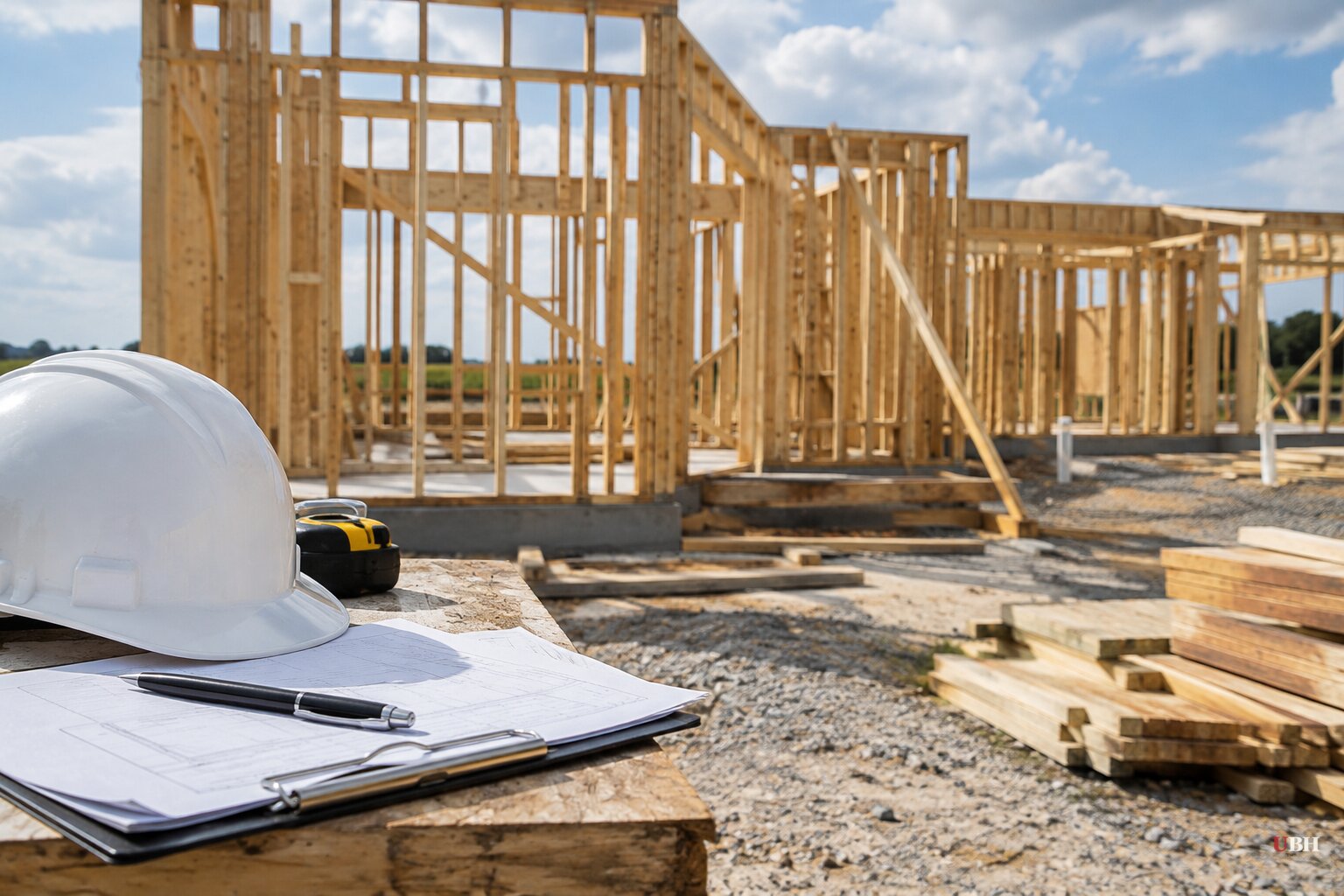
The housing market is stuck, and the October numbers show it from every angle: buyers, sellers and builders.
The National Association of Home Builders/Wells Fargo Housing Market Index fell 3 points to 29 in October, according to the NAHB report released Monday, Oct. 19. That is the lowest since June 2012, when the market was still climbing out of the 2008 crash. Any reading below 50 means more builders see conditions as poor than good. October is the 30th straight month below that line.
Rates at 7.4%
Freddie Mac reported the average 30-year fixed mortgage rate at 7.4% for the week ending Oct. 15, unchanged from the prior week. A year ago it was 6.27%.
On a $300,000 loan, that gap is about $222 a month in principal and interest: roughly $2,075 now versus $1,853 a year ago.
Redfin said the typical homebuyer's monthly payment hit a record $2,777. The Mortgage Bankers Association said purchase applications ran 16% below last year and its refinance index was down 56%.
Most existing owners are locked in. Realtor.com research found nearly 4 in 5 U.S. mortgages carried a rate below 6% in the first quarter of 2026. Few have a reason to sell and take on a 7%-plus loan.
Sales at decade-plus lows
Redfin's Oct. 12 report said pending sales fell 4% in September from August, the largest monthly drop in more than three years. Contracts signed hit their lowest level since spring 2014, leaving out April 2020.
Pending sales fell from a year earlier in all 50 of the most populous metro areas. Seattle dropped 24.4%, Los Angeles 16%, San Diego 15.8% and Anaheim 15.5%.
Redfin also found 14.5% of purchase agreements signed in September were canceled, the highest share in its records outside the first two months of the pandemic.
Zillow's Oct. 6 report put newly pending sales down 8.5% from a year earlier, with a preliminary estimate of completed existing-home sales down 2.5%. Zillow said it expects sales to stay below last year's pace through the fourth quarter.
"It's not surprising that when rates climb above 7 percent, fewer people buy homes because fewer people can afford them," said Chen Zhao, Redfin's head of economic research.
Sellers and builders blink
Prices are not collapsing, but they are giving. Redfin said the median asking price fell 0.3% from a year earlier, the first annual decline since March 2026. A record 22% of sellers with active listings cut their price.
Builders are cutting harder. In the NAHB survey, 43% said they cut prices in October, the highest share in six years, with an average discount of 6%. Buyer traffic dropped 5 points to 18. Expected future sales fell 5 points to 33, and current sales conditions fell 2 points to 33.
Lennar CEO Stuart Miller said on the company's Sept. 17 earnings call that "almost 50% of our visitors cannot immediately qualify." He said Lennar is adjusting prices and incentives to compensate.
Those incentives, including rate buydowns and credits, come out of builders' margins.
Is it supply or demand?
The two main trade groups read the problem differently. NAHB chief economist Robert Dietz said housing "remains squeezed by supply-side constraints and significant affordability challenges," and pointed to elevated construction costs and weaker consumer confidence alongside higher rates.
Lawrence Yun, chief economist at the National Association of Realtors, said the opposite about existing homes. "Low sales activity is clearly due to lack of demand, not limited supply," he said. Yun said inventories are back to pre-COVID levels and that lockbox data showed showings down 20% in September from a year earlier.
On rents, the picture is mixed. Zillow said its renter demand index rose 19.2% year over year in September and typical rent reached $1,932, up 2.7%. Zillow senior economist Kara Ng said high rates have produced "the deliberate renter," someone who banks the difference between a buyer's payment and rent. A Homes.com analysis found apartment rents declined in September.
Who is still buying
Oscar Munoz, head of U.S. economics at TD Securities, said high-income households are driving transactions. "They have the wealth to transact in this market, which is unaffordable for most Americans," he said.
TD Securities data commissioned by Morning Consult shows buying intentions among households earning $100,000 or more diverging from lower-income groups. Munoz said rates above 7% may widen that gap.
Borrowers are shifting to adjustable-rate loans. The MBA said ARMs made up 10.5% of applications last week, the highest in a year. Mortgage News Daily put the average 7/6 ARM initial rate at 6.79% on Oct. 15, against 7.33% for a 30-year fixed.
What comes next
The forecasts are not encouraging. Fannie Mae said last week it expects 30-year rates to average 7.5% in 2027. Analysts quoted in CoStar's reporting expect a Federal Reserve rate hike this month. Oxford Economics' Sara Godfrey said builder sentiment fits her firm's view that the housing market stays stagnant through next year. Goldman Sachs expects demand to remain "tepid."
Pantheon Macroeconomics senior economist Oliver Allen wrote in a client note Monday that builder confidence is likely to fall "much further over the next month or two" given the recent rate trend.
The midterm elections are weeks away, and CNN noted that affordability is a key concern for many voters. The next Freddie Mac weekly rate will show whether 7.4% is a plateau or a step higher.
Sources used for this briefing
6 links from 6 independent newsrooms (syndicated copies of the same report count once)
These are the sources it draws on, linked so you can verify.


