
Original briefings. Zero spin.
Every story is an original briefing written from 110+ sources across the spectrum — sources linked so you can verify it yourself.
 economy
Major Story (8/10)
September 7, 2026 at 10:52 AM
economy
Major Story (8/10)
September 7, 2026 at 10:52 AM
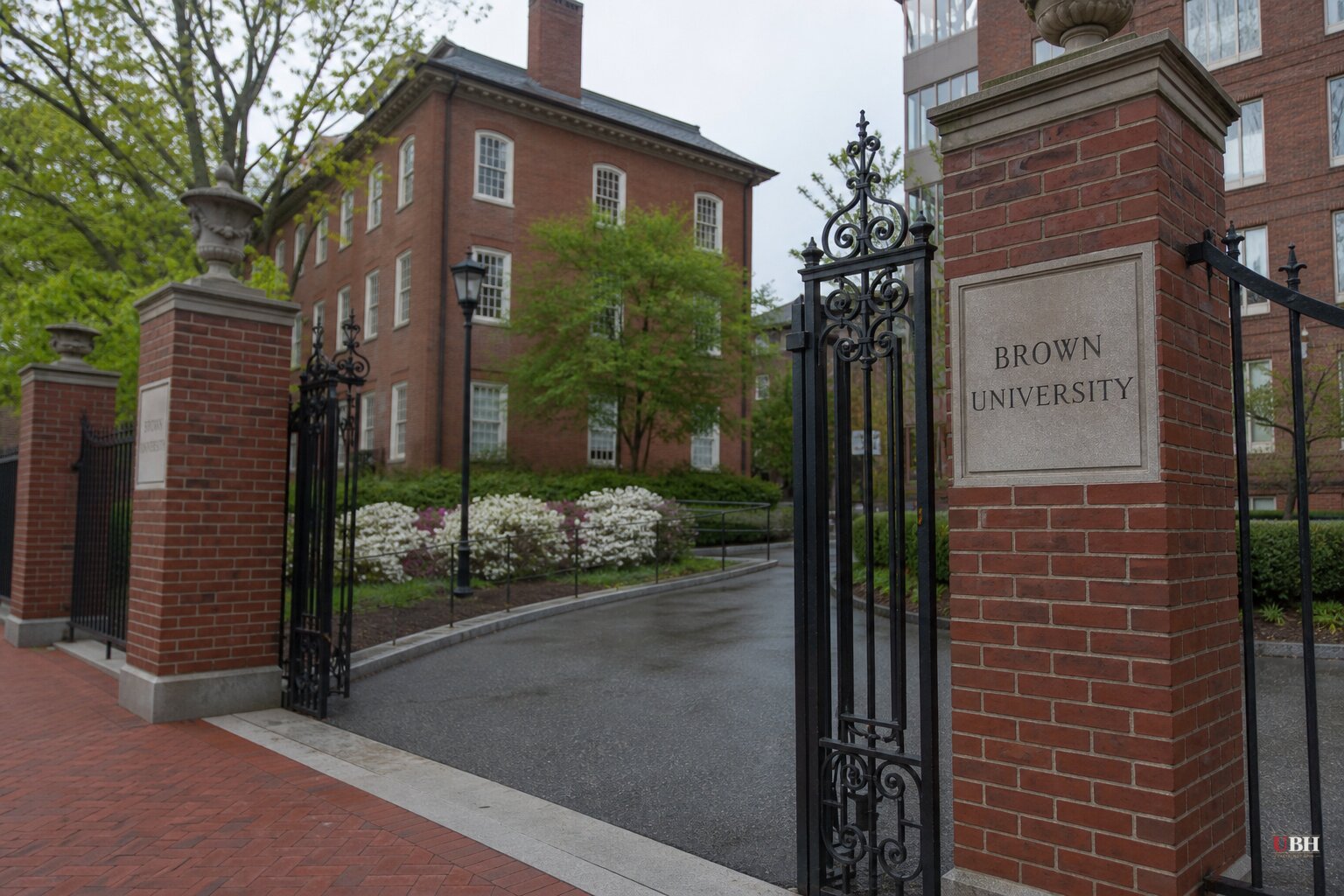
Brown University Tracker Puts Iran War's Fuel Cost to Americans at $100 Billion, or $763 Per Household
Since the US-Israel war on Iran began February 28, gas and diesel prices have climbed every month, with diesel hitting a record national average of $5.85 a gallon on September 4, according to the American Automobile Association. Now there's a running total on what that's cost American households.
A tracker from Brown University's Watson Institute for International and Public Affairs puts the number at $100 billion in additional fuel spending nationwide over six months, according to Al Jazeera. Divide that across an estimated 131 million US households and you get roughly $763 per household. That's ongoing, not a one-time hit.
Where the money's going
Gas has climbed 39% since the war started, from $2.98 to $4.15 a gallon, per the tracker. Diesel is up more than 60%, from $3.67 to $5.90 a gallon in the Watson Institute's figures (AAA's separate daily average put diesel at $5.85 as of September 4).
California has the country's highest gas price at $5.85 a gallon, according to AAA, followed by Washington ($5.51), Hawaii ($5.39), Alaska ($5.03) and Oregon ($5.01). Indiana is cheapest at $3.43. Washington state diesel is running $6.81 a gallon, up from $5.03 a year ago, according to capitalfm.africa.
Diesel matters more than most people realize. Trucks, trains, farm equipment and construction vehicles all run on it. When diesel spikes, the cost shows up later in groceries, according to an Associated Press analysis cited by Fox News, which found produce and meat prices are among the first to move because they depend so heavily on diesel-powered transport and refrigeration.
Trump's response: blame oil companies, tout alternatives
Trump told Reuters, "If they rise, they rise," when asked about gas prices, then pivoted to accusing oil companies of price gouging. He originally predicted the war would last four to five weeks. It's now in its seventh month with no diplomatic breakthrough, according to Al Jazeera.
Trump has also argued the Strait of Hormuz matters less than it used to. "A lot of alternatives are being made to the Hormuz Strait. The Hormuz Strait is not what it used to be," he told reporters at the White House, according to Fox News, pointing to new pipelines and an overland route through Syria already moving crude by truck. Whether those routes can absorb a meaningful share of the roughly one-fifth of global oil that normally transits Hormuz is not established in available reporting.
The administration has also pointed to a new oil agreement with Venezuela, announced after US special forces seized former Venezuelan leader Nicolás Maduro in a January raid authorized by Trump. The deal calls for developing 17 oil fields with a claimed 65 billion barrels of potential, more than $100 billion in investment, and over $209 billion in taxes for Venezuela, according to interim Venezuelan President Delcy Rodríguez, with Washington retaining 55% control of the joint venture. Some analysts told the BBC's US partner CBS News they're skeptical the deal resolves the long-running problems that have kept investment out of Venezuela's oil sector for years. No production timeline that would affect prices before the November midterms has been confirmed.
The 'is it a war' fight
Vice President JD Vance told reporters Thursday, "I wouldn't call it a war," arguing there was "no active shooting" underway. Trump backed him up Friday, calling it a "military conflict" rather than a war.
Sen. Bernie Sanders pushed back hard on X: "JD Vance said what's happening in Iran is not a 'war.' Please explain that to the families of the 19 U.S. service members who lost their lives or the thousands of people who have been killed across the region." Neither side disputes the death toll Sanders cited. The disagreement is over what to call the conflict, not what happened in it.
The politics of it
According to Reuters/Ipsos polling cited by capitalfm.africa, Trump's approval rating has fallen to 33%, with only 31% of Americans approving of the war itself. Al Jazeera and multiple outlets note a majority of Americans blame Trump directly for higher fuel prices, which he disputes.
Wars disrupt oil markets, and that's not new. Trump inherited none of the choices Iran made to effectively close off shipping near the Strait of Hormuz. Whether new pipelines, the Syria route, or the Venezuela deal actually move enough oil to bring prices down before November remains unverified. No source in this reporting confirms barrels are yet flowing at scale from any of the three.
What's confirmed: the $100 billion bill has already been paid by American households, one fill-up at a time, and the war shows no sign of ending on the timeline Trump originally promised.
Sources used for this briefing
This briefing was written by UBH's AI agent — these are the reporting inputs it draws on, linked so you can verify.


