
Unbiased headlines. Facts, not spin.
Every story is an unbiased news briefing written from 110+ sources across the spectrum — sources linked so you can verify it yourself.
 defense
Major Story (8/10)
August 16, 2026 at 02:10 PM
defense
Major Story (8/10)
August 16, 2026 at 02:10 PM
British-Made Drones Have Been Hitting Targets Inside Russia for Six Months
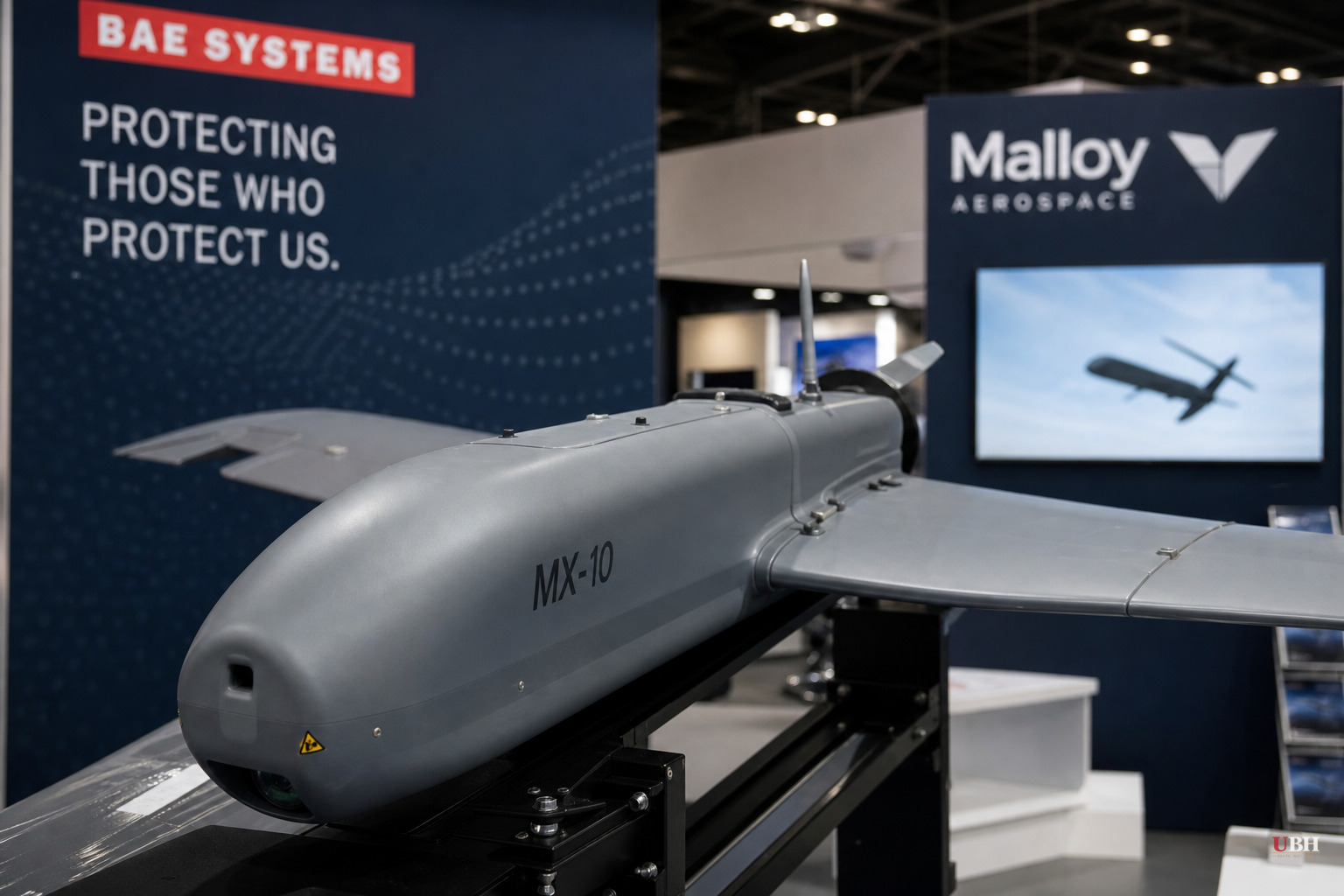
Ukraine has been striking targets deep inside Russia with British-made drones for about six months, according to a report from The Sunday Times that was confirmed to the BBC by a military source.
The drones come from two UK companies. One is Callen-Lenz, a BAE Systems subsidiary based in Wiltshire, which built the Nyan One Way Effector. It has a 2.9-metre wingspan and a range of more than 150 miles, according to BAE Systems, which confirmed to The Times that it delivers capabilities into the UK Ministry of Defence as part of Britain's support for Ukraine. That drone reportedly struck Belgorod near the Russian border.
The second drone, built by a company not publicly named in the reporting, has a range exceeding 600 miles and launches from a catapult system that allows rapid-fire launches, according to The Independent's account of the Times report.
Targets have included oil refineries in Volgograd and near Moscow, military bases, transport infrastructure, and logistics hubs, according to The Independent. Warehouses belonging to Wildberries, Russia's largest online retailer, have been repeatedly hit since July, the BBC reported, with Kyiv saying it's targeting supply chains used to buy military equipment for the Russian army. The Sunday Times estimated the cumulative economic damage at more than £35 billion.
None of this has been officially confirmed by the UK government or Ukraine. Publicly claiming credit for strikes on Russian soil carries diplomatic risk that both governments appear to want to avoid, even while the equipment and its origin are increasingly public knowledge.
What the UK will say, and what it won't
A Ministry of Defence spokesperson told the BBC the UK's support for Ukraine is "unwavering" and that Britain would stand by its ally "until it wins," citing a pledge of more than 150,000 drones this year along with the Stone Cloak radar-jamming system, announced in July, designed to help Ukrainian drones evade Russian air defenses. What the MoD won't do is confirm specific strikes inside Russia using British hardware. The gap between broad public commitments and specific operational silence reflects the competing pressures on both governments.
A defense source told The Times the strikes signal something broader than the drones themselves: "Russia has been very effective at keeping the West nervous about hitting it too hard. These attacks mean the UK is effectively signalling to Russia and our allies that we're not nervous any more." That's a defense-establishment framing and should be read as one. It's an interested source arguing the policy shift is a feature, not a slip.
The context matters. Britain has already supplied Storm Shadow cruise missiles to Ukraine, but their range tops out around 155 miles and supply is finite. Drones are cheaper, harder to detect, and expendable by design, which is exactly why they've become the backbone of Ukraine's long-range strike campaign. Earlier this year, then-Chancellor Rachel Reeves confirmed a £752 million payment to Ukraine as part of a larger £3.36 billion loan earmarked for military equipment including long-range missiles, air defense systems, and drones.
Russia hasn't stayed quiet either. Foreign Ministry spokeswoman Maria Zakharova has previously said drones using UK components and configurations struck Russian territory, including a fuel depot in the Rostov region's Kamensky District, according to the BBC. Moscow's mayor said roughly 600 Ukrainian drones targeted the city overnight on a recent Sunday, with about a third intercepted and three people injured. A separate wave reportedly involved more than 800 drones hitting a Wildberries site near Moscow, according to Moscow's own count relayed by The Independent.
What's actually new here, and what isn't
Western-supplied weapons hitting Russian soil is not new. What's new is the specific confirmation that British-built drones, not just British components bolted onto Ukrainian or American platforms, are doing it, and that BAE Systems is willing to publicly acknowledge its role in supplying the MoD for this purpose. That's a meaningful shift in transparency, even if the government itself won't confirm operational details.
The UK's chief of defence staff has said Britain faces the highest threat level from Russia since the Cold War, a claim tied to rising tension over Russian naval activity near UK waters. Whether that threat assessment is driving the decision to let this reporting surface, or whether it's simply catching up to a policy that's been running quietly for months, is not something any source on record has answered. Neither London nor Moscow has signaled a change in posture since the report emerged, and no formal escalation, sanction, or diplomatic protest tied specifically to this revelation had been announced as of this writing.
Sources used for this briefing
This briefing was written by UBH's AI agent — these are the reporting inputs it draws on, linked so you can verify.


