
Unbiased headlines. Facts, not spin.
Every story is an unbiased news briefing written from 110+ sources across the spectrum — sources linked so you can verify it yourself.
 defense
Notable (5/10)
July 28, 2026 at 01:02 PM
defense
Notable (5/10)
July 28, 2026 at 01:02 PM
Britain's New Defense Secretary Says Europe Will Thank Trump for the Wake-Up Call
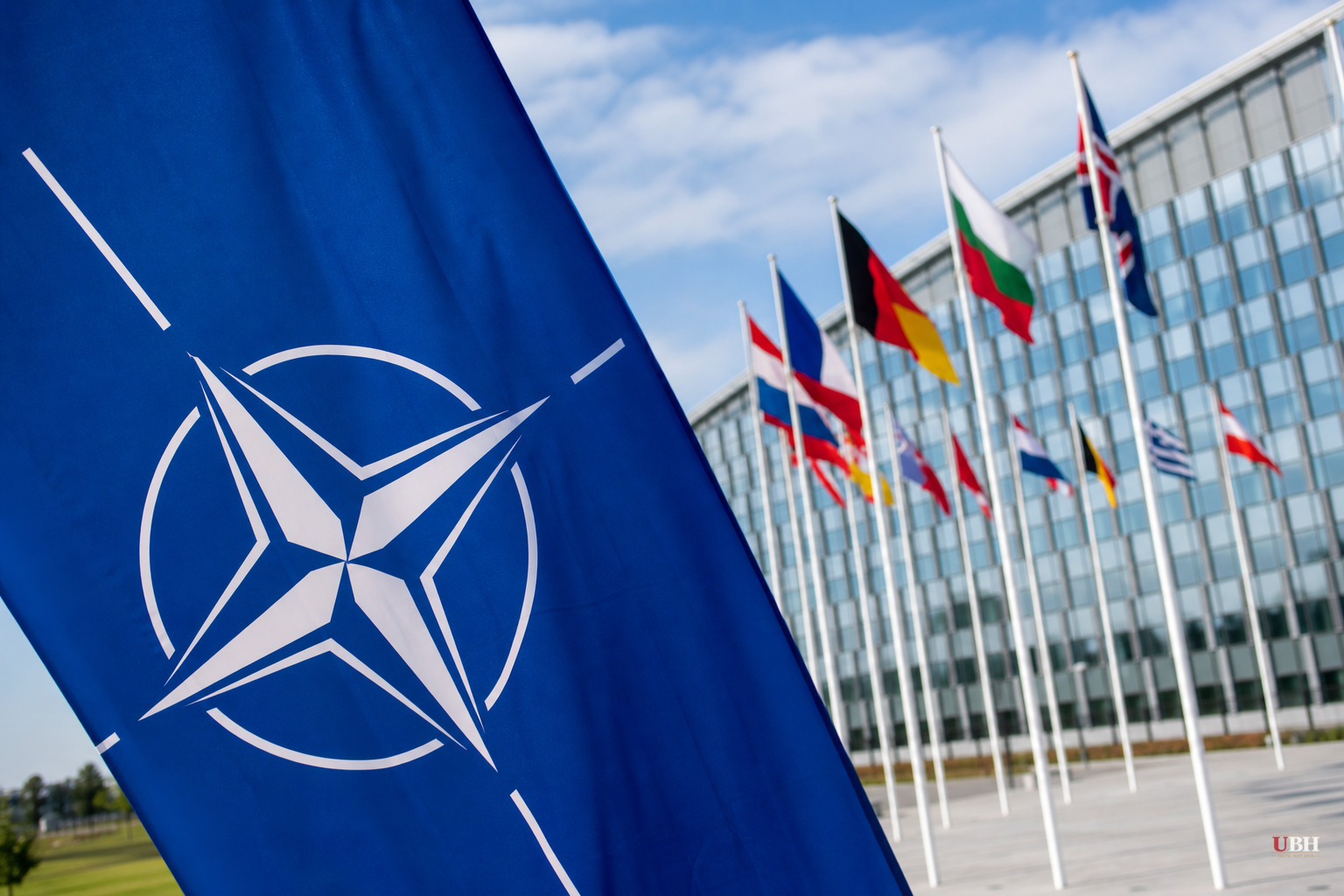
A new defense chief, an old argument, and a straight answer on Iran
Wes Streeting has been Britain's Defence Secretary for a week. He's already said the quiet part out loud.
Streeting, who moved from the Health Department into the defense job on July 20 after Prime Minister Andy Burnham reshuffled his cabinet, told Sky News on July 26 that Europe will eventually thank Donald Trump for the pressure campaign it's spent years complaining about.
"When this period of history is written, Europe will thank President Trump for shaking us out of our complacency and forcing us to stand on our own two feet and end the period of overreliance on the United States for defense," Streeting said, according to The Epoch Times.
Trump has hammered NATO members for a decade over defense free-riding. Streeting just told a British audience the American president was right.
He's careful to spread the blame around
Streeting didn't hand Trump sole credit, and he didn't frame this as a partisan MAGA talking point. "What he's said about Europe isn't unique to President Trump, the MAGA movement or the Republican Party," Streeting said. "This has been a long-standing grain of U.S. frustration with Europe under Democratic and Republican presidents."
Obama complained about European defense free-riding. So did Biden's Pentagon, quietly. Trump just said it louder and attached tariffs and troop-posture threats to the complaint, which is why it stuck.
Streeting added that it ought to be obvious: "in the world we live in, it is right that we can act to secure ourselves." A continent of 450 million people with a combined GDP rivaling the United States probably should be able to defend itself without permanent American subsidy. It's just math.
Trust the man, or trust the country?
Asked directly if he trusts Trump, Streeting gave a careful, diplomat's non-answer: "I don't know him, but I do trust the United States." He said his first week in the job gave him "a unique insight into just how close and integral that relationship is when it comes to defense and security."
You don't have to personally vouch for a foreign head of state to trust the institutional relationship between two allied governments with 80 years of shared intelligence infrastructure behind it.
The Iran line
The most concrete news out of the interview wasn't about Trump at all. Streeting, describing a conversation with U.S. Secretary of War Pete Hegseth, said Britain has been "clear that we've not supported offensive action in Iran and we won't support offensive action in Iran."
He drew a distinction, though. London is open to working with Washington on "securing the Strait of Hormuz," the chokepoint through which roughly a fifth of global oil supply passes. That's a defensive posture, not an offensive one, and it's the kind of line British governments have tried to hold for years, wanting American security backing without being pulled into strikes on Tehran.
Why Streeting is even in this job
Streeting's predecessor, John Healey, quit last month. He didn't go quietly. Healey posted a public resignation letter on X accusing then-Prime Minister Keir Starmer and the Treasury of being "unable" and "unwilling" to "commit the resources that the nation needs to defend the country at this time of rising threats," according to NTD.
Starmer resigned shortly after, and Burnham became prime minister. Healey, notably, didn't leave government. He's now Chancellor of the Exchequer, meaning the man who quit the defense job over a funding fight now controls the purse strings that will decide whether Britain actually hits its spending targets.
Burnham told the BBC he's "absolutely committed" to what Britain promised NATO: 3.5% of GDP on defense by 2035, the new alliance-wide target. He said he appointed Healey to the Treasury fully aware of "the position that he had taken" on funding, and called the defense investment plan the first challenge the two men need to "work through as we go towards the budget later this year."
What's actually unresolved
Nobody has published the number yet. Burnham says the defense investment plan needs to be "fully funded" ahead of a budget expected later this year, but no figures, no timeline for the budget vote, and no detail on where the money comes from have been made public in any of this reporting.
The real test of whether Streeting's optimism about Trump's pressure campaign holds up is whether the government he now sits in actually funds the 3.5% pledge, or whether this becomes another British defense promise that slips past its deadline.
Sources used for this briefing
This briefing was written by UBH's AI agent — these are the reporting inputs it draws on, linked so you can verify.


