
Unbiased headlines. Facts, not spin.
Unbiased Headlines is an independently owned news organization. We bring you the facts, not opinions, written fresh from 110+ named sources. Sources linked so you can verify it yourself.
 energy
Major Story (8/10)
Event date: August 26, 2026 ·
energy
Major Story (8/10)
Event date: August 26, 2026 ·
Brent Crude Nears $97 After US Strikes Sink Iranian Tanker, Iran Vows New Restricted Zone
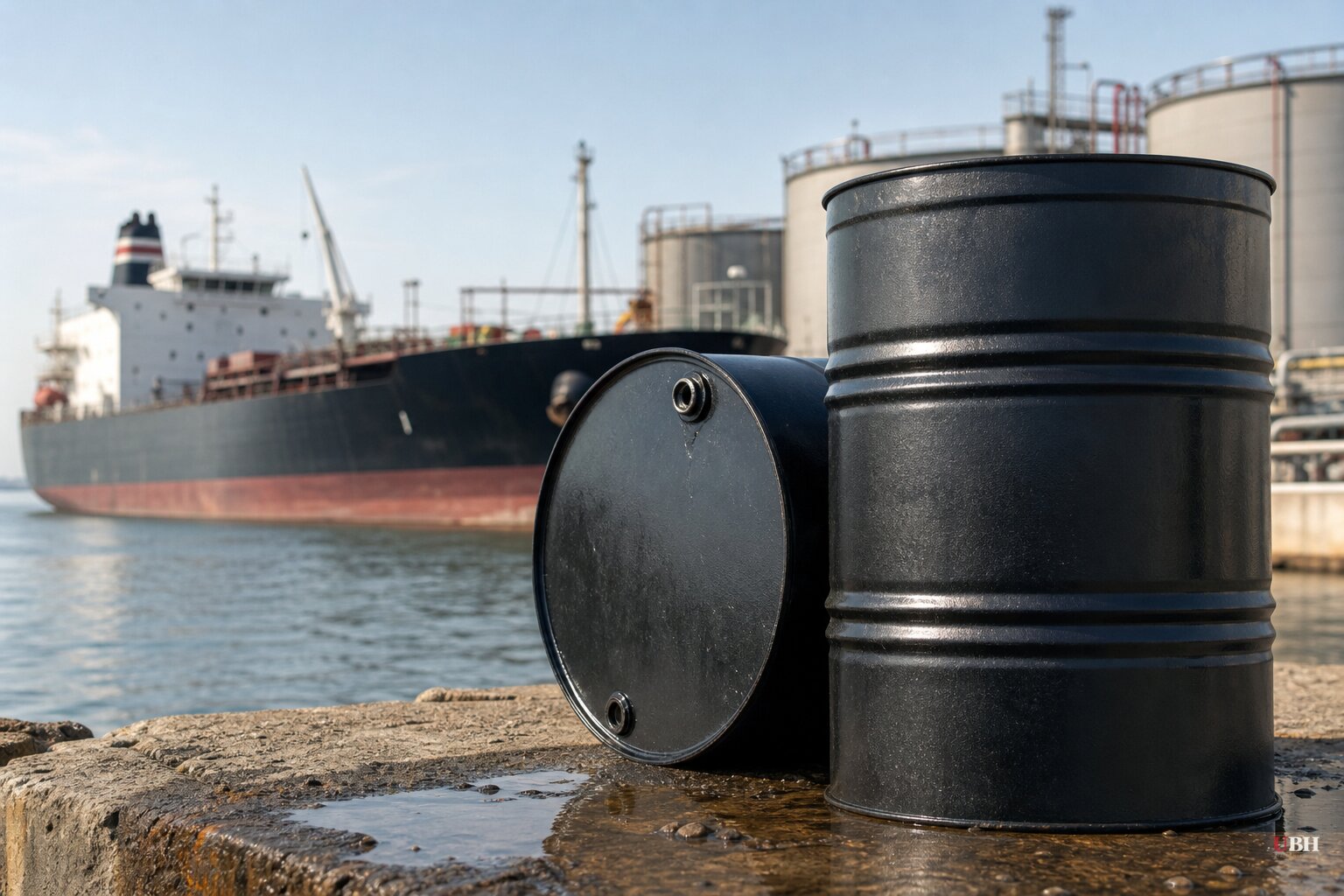
US Central Command said Saturday, September 5, that it struck three Iranian oil tankers, sinking the Suezmax Kylo in the Gulf of Oman, disabling the Suezmax Stark I, and hitting the very large crude carrier Downy near Kharg Island, Iran's main export hub, according to Energy Connects. Washington said the strikes came in retaliation for Iranian ballistic missile attacks on US Navy warships.
Iran claims it struck three tankers of its own in response, but Energy Connects reported there has been no independent corroboration of that claim. Iran's top security official said the country will declare a new restricted zone outside the Strait of Hormuz in the coming days, stretching from the US Navy blockade line into parts of the Gulf, according to Press TV as reported by Energy Connects.
Brent crude traded near $97 a barrel Monday, with West Texas Intermediate around $92, Energy Connects reported. Brent is up almost 60% this year, driven by six months of conflict between the US and Iran plus the ongoing Russia-Ukraine war. European natural gas jumped as much as 4.2% in thin trading Monday.
Goldman Sachs co-head of global commodities research Daan Struyven told Bloomberg TV that in an upside scenario where shipping attacks broaden, Brent could reach $120. Hedge funds turned the most bullish on Brent since May in the week ending September 1, and net-long positions on US crude hit their highest level since June, according to Energy Connects.
Treasury Secretary Scott Bessent launched what he called Operation Economic Outcast on Sunday, promising a "zero-leakage approach" to cutting off Iran's remaining oil revenue, Fox News reported. The pressure appears to be working on new exports. China's imports of Iranian crude fell to an estimated 534,000 barrels a day so far this month, down from roughly 823,000 barrels a day in July, according to provisional Kpler data reported by Reuters and cited by Fox News.
But roughly 40 million barrels of Iranian crude, about 20 VLCC-loads, are sitting on tankers in waters near Malaysia, east of Singapore, entirely outside the current blockade zone, Fox News reported. Iran holds an estimated 80 million barrels total in floating storage, with roughly half in that Malaysia stockpile, according to Reuters figures cited by Fox.
Max Meizlish, a former Treasury sanctions official now a senior fellow at the Foundation for Defense of Democracies, told Fox News Digital that "the blockade as it's currently being practiced and enforced against isn't really stopping the flow of Iranian oil that's already past the blockade line." A blockade that stops new departures but leaves tens of millions of barrels already at sea free to be sold does not achieve the "total isolation" the administration has promised. Whether Tehran can actually convert that stranded crude into cash depends on finding willing buyers and shippers, which the sanctions regime is separately trying to choke off.
Energy Secretary Chris Wright said there will be no letup in the naval presence, including the blockade meant to curb Iranian exports while still allowing safe passage for commercial vessels through Hormuz, Energy Connects reported. Fox News separately reported China has directed firms to ignore US sanctions on Iran, a claim that, if accurate, would undercut Washington's "zero-leakage" goal regardless of naval enforcement.
Oil traders and executives are gathering this week in Singapore for the Asia Pacific Petroleum Conference, with the Iran war, tightening inventories, and China's demand outlook set to dominate discussions, according to Bloomberg and Energy Connects. Bloomberg described the mood among attendees as war-tested and increasingly anxious, noting diesel markets face extreme tightness and Chinese demand remains hard to forecast.
The standoff also sits inside a wider US-China contest over maritime chokepoints. The Epoch Times reported Washington has unveiled a $65.8 billion naval rebuilding plan aimed at expanding the fleet from 291 to 450 vessels by 2031, alongside defense pacts like AUKUS and the Quad oriented around the Taiwan Strait and the Malacca Strait, through which the bulk of China's oil imports must pass. That strategy assumes American naval power can control access at narrow waterways. The Iran blockade is now testing whether that same logic works in practice, when a large enough floating stockpile can simply sit outside the enforcement line and wait.
Unresolved is whether Bessent's Treasury sanctions can actually stop buyers from purchasing the 40 million barrels near Malaysia even if the Navy can't seize them, and whether Iran's threatened new restricted zone near Hormuz triggers further tanker attacks that push Brent toward Goldman Sachs' $120 scenario.
Sources used for this briefing
4 links from 4 independent newsrooms (syndicated copies of the same report count once)
These are the sources it draws on, linked so you can verify.


