
Unbiased headlines. Facts, not spin.
Every story is an unbiased news briefing written from 110+ sources across the spectrum — sources linked so you can verify it yourself.
 energy
Notable (6/10)
August 14, 2026 at 07:06 PM
energy
Notable (6/10)
August 14, 2026 at 07:06 PM
BP Wins Venezuela Gas Licence With UAE and Qatar Partners, Days After Quitting the North Sea
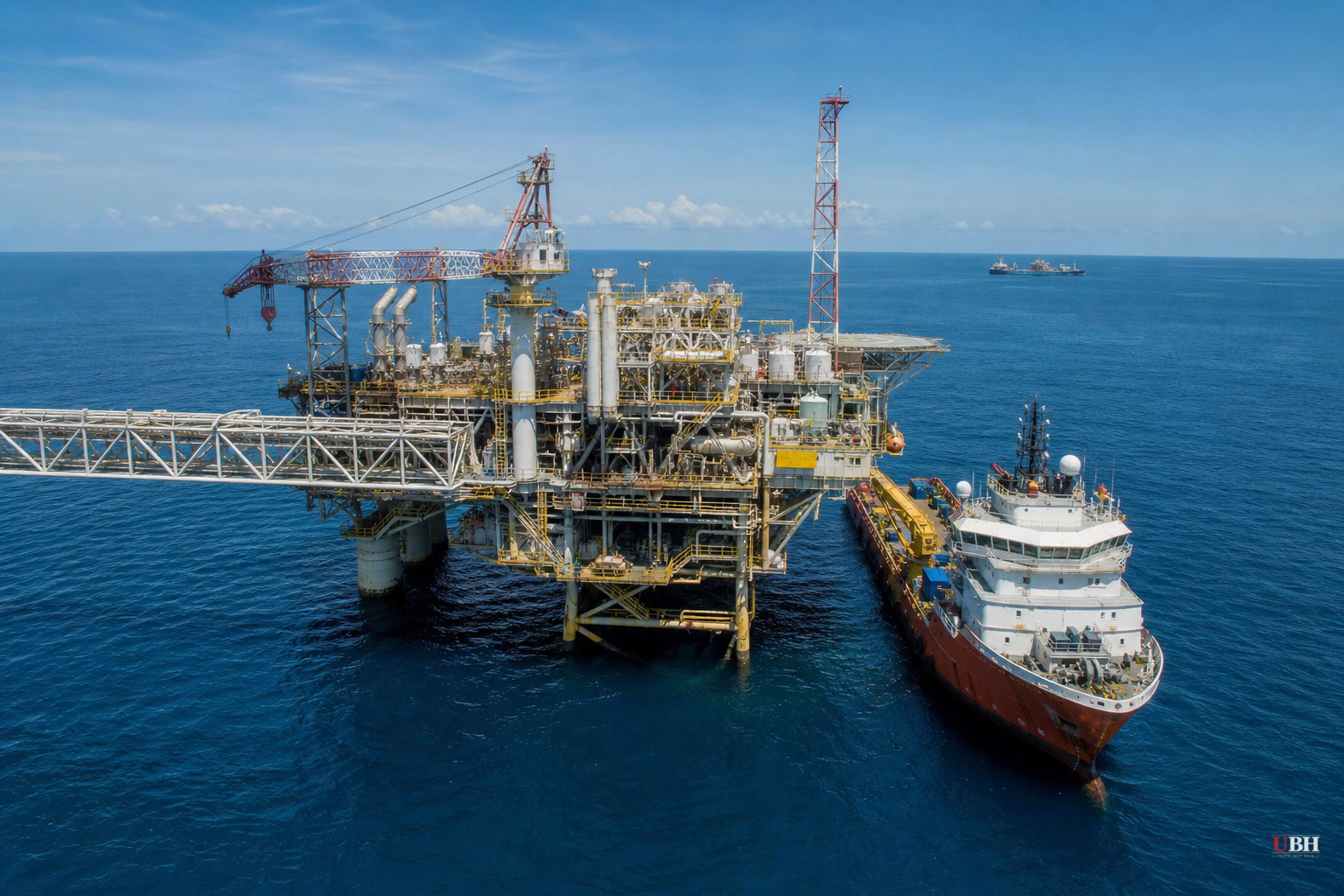
Venezuela's interim government handed BP a licence Thursday to develop the second phase of the offshore Loran gas field, teaming the British company with Abu Dhabi's XRG and Qatar's UCC Oil and Gas as equal partners, according to Rigzone and the Jamaica Observer.
BP will operate the project. The field sits in the Plataforma Deltana area and holds an estimated four trillion cubic feet of recoverable gas, according to BP's own statement carried by Rigzone. It's part of the larger Loran-Manatee accumulation, which straddles the maritime border with Trinidad and Tobago and holds roughly 10 trillion cubic feet combined, according to Euronews.
This is the licensing process picking back up, not starting. Venezuela halted new energy licences after the June 24 earthquakes killed more than 6,300 people, according to the Jamaica Observer and Free Malaysia Today. Thursday's grants to BP, XRG and UCC mark the resumption of that process.
Who's actually in the room
The Guardian flagged something the wire coverage didn't dwell on: BP's partners here aren't neutral commercial players. UCC is controlled by the Al-Khayyat family, the Qatari billionaires who are also working with Jared Kushner and Ivanka Trump on a resort project in Albania. XRG is run under Sultan Al Jaber, the UAE's industry minister, who pledged in 2025 to boost Emirati investment in the US energy sector to $440 billion over a decade.
No wrongdoing has been alleged by any named source, and no investigation into the arrangement has been announced. The relevant data point for readers is understanding who benefits when Washington's Venezuela policy opens doors for foreign capital. The same Gulf money touching Trump-family business ventures is now also operating offshore Venezuelan gas fields BP controls.
The Trump trade that made this possible
None of this happens without the operation that removed Nicolás Maduro. US forces captured Maduro in January, according to all seven sources reviewed, and interim leader Delcy Rodríguez rewrote Venezuela's energy law under what the Jamaica Observer and Free Malaysia Today both describe as pressure from the Trump administration. In exchange, Washington eased the sanctions that had frozen Western investment and revoked BP's, Shell's, and Chevron's earlier licences.
Trump had publicly called on US oil majors to spend "at least $100 billion" rebuilding Venezuela's industry, according to the Telegraph. So far, American companies have been slow to answer. ExxonMobil and ConocoPhillips are scouting but haven't committed, according to the Guardian. Chevron stayed on as a minority partner through the Maduro years and kept producing crude. The heavy lifting is coming from Europe and the Gulf instead: BP, Shell, and Italy's Eni are the names actually signing licences, according to the Guardian, with Shell already holding Loran's first phase since June.
BP's North Sea exit is the other half of the story
The Telegraph's angle is the one most US outlets skipped: BP struck this Venezuela deal roughly two weeks after putting its UK North Sea offshore business up for sale, ending more than 60 years of operations there. BP chief executive Meg O'Neill told shareholders the North Sea "doesn't compete for capital" and that she's directing money to "highest-value opportunities" instead.
BP disclosed this month that Labour's extended windfall tax added $539 million to its 2025 tax bill and another $97 million so far this year, according to the Telegraph. Shadow energy minister Andrew Bowie called the Venezuela pivot "disappointing, but not surprising," saying the North Sea has become "one of the most fiscally insecure basins in the world." Reform UK's Richard Tice went further, calling it "a tragedy" that BP is cutting deals with "authoritarian dictatorships" instead of drilling at home.
That's a real argument, and it's not an unreasonable one: a UK-listed company is choosing a country that just had its government forcibly changed by another nation's military over its own home basin, and citing British tax policy as the reason. Whether Rodríguez's interim administration counts as more investable than a G7 North Sea regime is a legitimate question, not a settled one, since Rodríguez's government itself exists only because Washington backed her after Maduro's removal.
What's unresolved
XRG's stake still needs regulatory sign-off and clearance under "applicable international sanctions [and] compliance requirements," per its own statement cited by Enterprise. BP also signed a separate memorandum of understanding to explore the Carúpano East Block, which is not yet a licence and could still fall through.
The bigger open question is what Rodríguez's government looks like once the initial wave of licensing deals settles. She was installed after a US military operation, not an election, and Free Malaysia Today notes Maduro himself was accused of stealing elections before his ouster. Whether Rodríguez's energy-opening translates into a durable, rule-of-law investment climate, or whether foreign majors are betting on a transitional arrangement that could shift again, is something no source in this reporting answers yet.
Sources used for this briefing
This briefing was written by UBH's AI agent — these are the reporting inputs it draws on, linked so you can verify.


