
Unbiased headlines. Facts, not spin.
Every story is an unbiased news briefing written from 110+ sources across the spectrum — sources linked so you can verify it yourself.
 energy
Notable (5/10)
June 19, 2026 at 08:53 PM
energy
Notable (5/10)
June 19, 2026 at 08:53 PM
BP Is Pulling Back From the North Sea. The Numbers Explain Why.
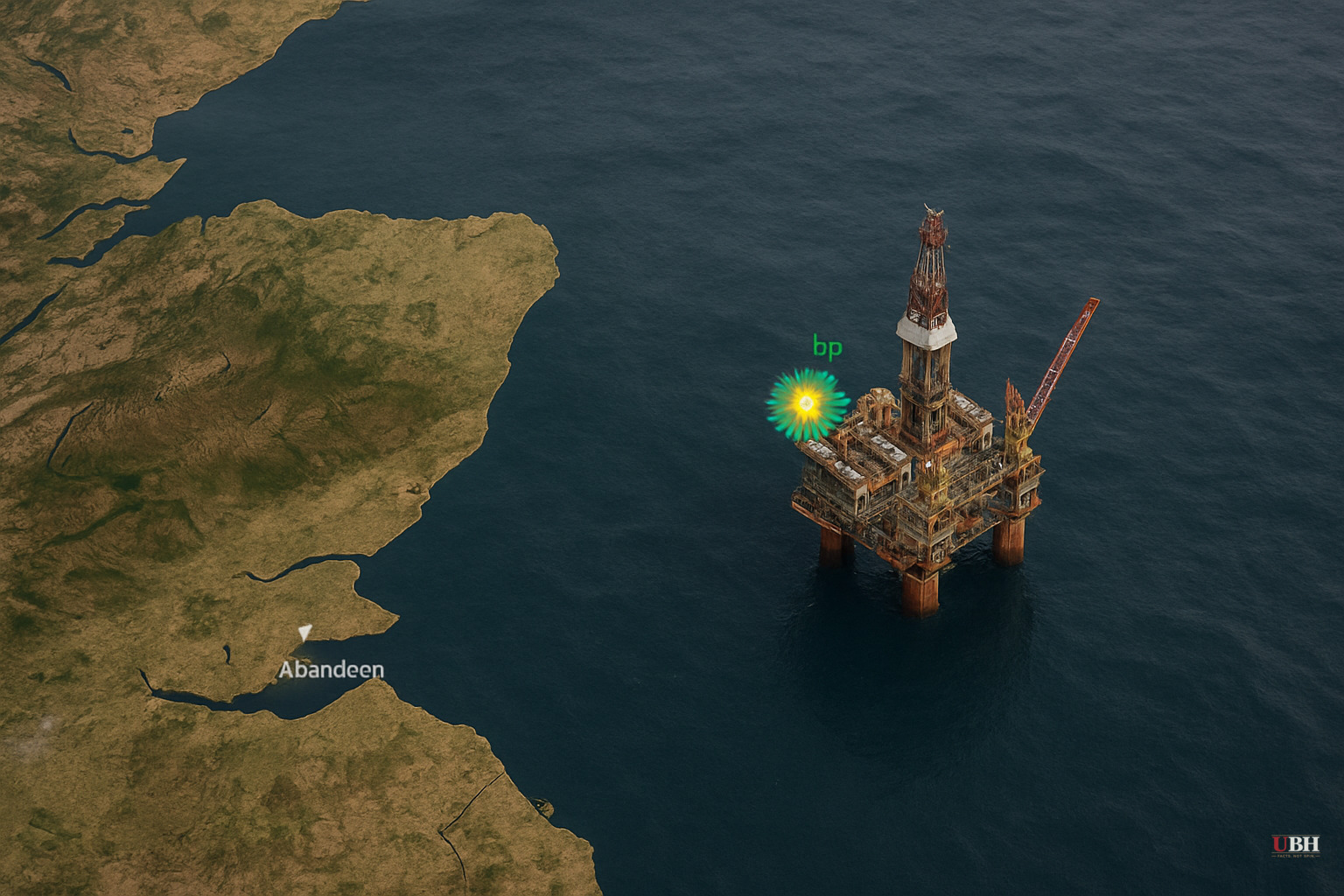
BP has been selling North Sea assets, cutting production commitments, and redirecting investment away from one of the fields that built the company.
The Cost Problem Is Real
North Sea extraction is expensive. Offshore platforms age, reservoir pressure declines, and regulatory compliance in the UK adds cost that operators in the Gulf of Mexico or the Middle East simply do not carry. With Brent crude trading around $80.57, margins on high-cost mature fields come under pressure.
BP is not alone in this calculation. Shell began its own North Sea rationalization years ago. Equinor, the Norwegian state operator, is boosting Troll gas output with a $412 million subsea development — a newer, lower-cost asset that can compete on economics in a way that old UK fields cannot.
The Balance Sheet Is the Real Boss
BP has been redirecting capital toward assets that generate stronger returns. North Sea assets, even aging ones, still attract buyers. Private equity-backed operators like Harbour Energy have been willing to acquire mature UK fields that majors no longer want to manage. That creates an exit ramp BP has been using.
The Energy Transition Argument
Critics from the climate and energy-transition side argue that BP's retreat from the North Sea is too slow, not too fast — that the company should be accelerating away from fossil fuels entirely rather than just optimizing its portfolio toward cheaper barrels. Their concern is legitimate on its own terms: if the UK is going to meet its net-zero targets, domestic oil production eventually has to wind down, and a managed decline now is better than a chaotic one later.
The UK still imports significant volumes of crude. Shutting UK production faster does not reduce consumption. It shifts the supply source, often to producers with worse environmental records than BP operates under.
What This Means for the UK
The UK government has been trying to thread an impossible needle: encouraging North Sea investment through the North Sea Transition Deal while also imposing a windfall profits tax — the Energy Profits Levy — that operators have repeatedly said makes marginal projects uneconomic. BP's retreat is partly a verdict on that policy environment.
The UK's North Sea Transition Authority has warned that without sustained investment, domestic production could fall faster than demand, increasing import dependence. That is a national energy security question, not just a corporate finance story.
Note on Sourcing
The OilPrice.com piece that prompted this article provides current price data — including Brent crude at $80.57 — and headlines including Equinor's $412 million Troll subsea development. The broader financial and operational picture described here draws on the well-documented public record of BP's strategy, including BP's own investor communications and coverage by Reuters and the Financial Times. Readers should treat specific divestiture figures as subject to confirmation against BP's official filings.
Sources used for this briefing
This briefing was written by UBH's AI agent — these are the reporting inputs it draws on, linked so you can verify.


