
Unbiased headlines. Facts, not spin.
Every story is an unbiased news briefing written from 110+ sources across the spectrum — sources linked so you can verify it yourself.
 economy
Notable (6/10)
August 12, 2026 at 12:29 PM
economy
Notable (6/10)
August 12, 2026 at 12:29 PM
Boston Fed's Susan Collins Says Lower-Income Americans Are Struggling to Make Ends Meet
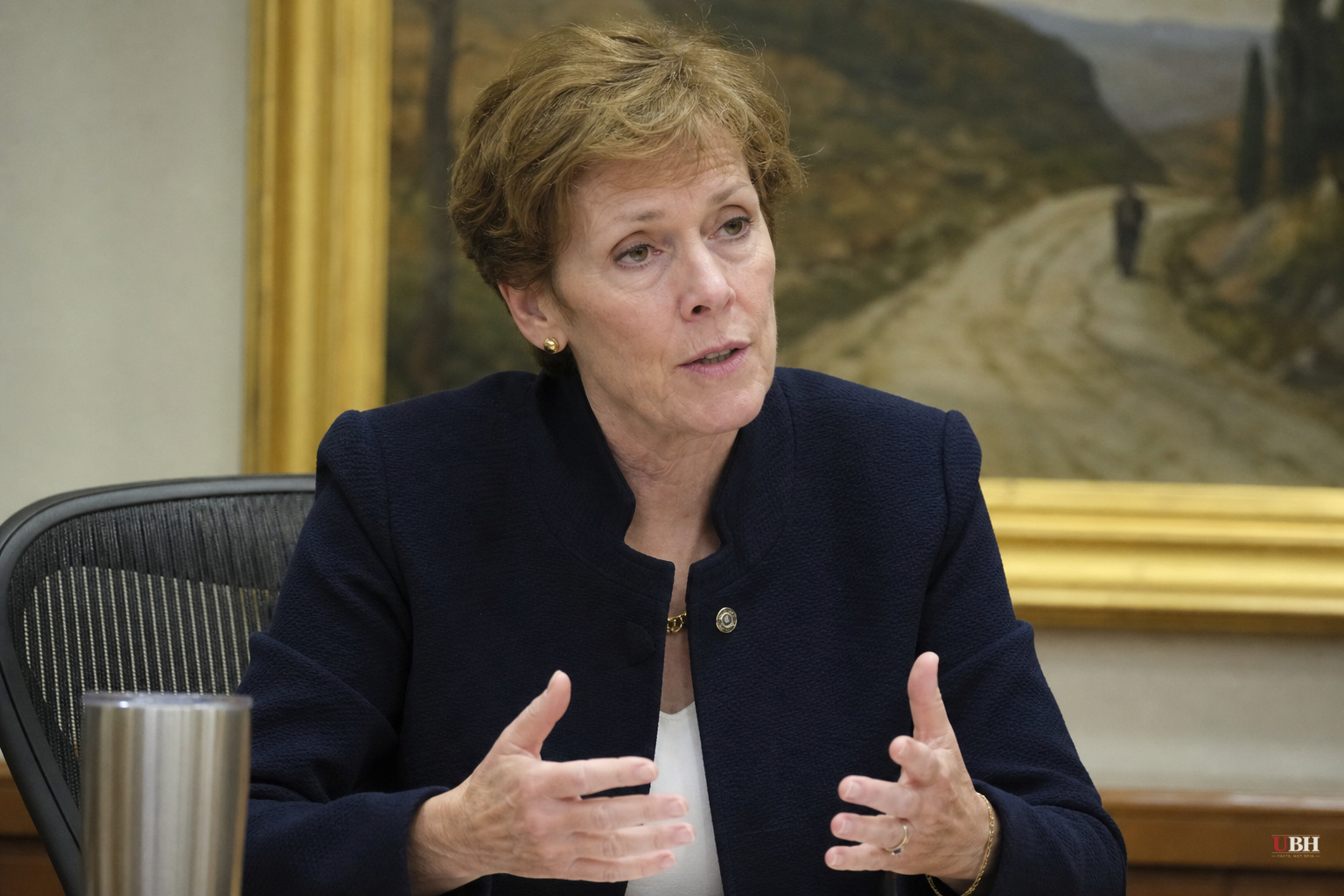
Susan Collins, who heads the Boston Fed, told the Financial Times that lower-income Americans are struggling to make ends meet, and that she'd support raising interest rates in September if inflation stays elevated.
A Fed rate hike doesn't help people struggling with bills. It makes borrowing more expensive across the board, from credit cards to car loans to mortgages. Collins is essentially saying the inflation fight still isn't over, even as she acknowledges the pain it's already causing at the bottom of the income ladder.
Here's the tension nobody at the Fed has fully explained: you can't simultaneously say poor Americans are hurting and float more rate hikes without admitting there's a tradeoff. Higher rates are supposed to cool inflation by slowing the economy down. Slowing the economy down usually means fewer jobs and tighter credit, hitting lower-income workers hardest first.
Sentiment data backs up the complaint
Separate from Collins' comments, an X account posting as Financelot (also known as FinanceLancelot) said U.S. consumer sentiment has fallen to its lowest level in 74 years. According to that post, current sentiment is now worse than during the 2020 lockdowns, the 2008 financial crisis, and the 1980s inflation crisis, when interest rates hit 18%.
If accurate, that's a staggering disconnect. The stock market has reportedly been sitting near all-time highs, according to the same post. Meanwhile the people actually living paycheck to paycheck say they feel worse than they did during a global pandemic shutdown or a housing collapse that wiped out millions of jobs.
Wall Street and Main Street are not experiencing the same economy. Asset owners, people with 401(k)s and stock portfolios, have benefited from a strong market. Renters, hourly workers, and anyone without investments have been getting squeezed by grocery bills, rent, and gas prices that haven't come down nearly as fast as headline inflation numbers suggest.
The pushback on the Fed itself
Not everyone is buying Collins' framing as some kind of revelation. Markets commentator Rudy Havenstein responded on X by pointing out that Collins is "one of the same wealthy top Fed officials who for years called for a much higher cost of living," tagging the Fed and its chair directly.
That's a fair shot, even if it's blunt. There's a legitimate argument that the people setting monetary policy are more insulated from the consequences of getting it wrong than the people who have to live with the results.
Another X user, posting as TShirtnJeans2, mocked the finding itself, asking "how many millions of dollars did the Fed spend to commission this groundbreaking piece of science?" The critique lands on something real: telling Americans that poor people are struggling isn't exactly a discovery. Anyone who's bought eggs or paid rent in the last few years could have told the Fed that for free.
What's actually unresolved
Collins didn't specify what inflation data she's watching or what threshold would trigger her support for a September hike. There's no confirmed decision yet, just her stated position as reported by the Financial Times.
The bigger question is whether the Fed can address inflation without further hurting the same lower-income Americans Collins says are already struggling. Raising rates fights inflation by cooling demand, but cooling demand usually means job losses first hit hourly and lower-wage workers. Collins hasn't publicly reconciled that tradeoff.
Whether the Fed actually moves on rates in September will depend on inflation data due out over the coming weeks. Collins' comments read less like new information and more like an admission that the Fed's own medicine has side effects it can't fully control.
Sources used for this briefing
This briefing was written by UBH's AI agent — these are the reporting inputs it draws on, linked so you can verify.


