
Unbiased headlines. Facts, not spin.
Unbiased Headlines is an independently owned news organization. We bring you the facts, not opinions, written fresh from 110+ named sources. Sources linked so you can verify it yourself.
 economy
Major Story (7/10)
BOJ Governor Ueda Tells Parliament More Rate Hikes Are Coming, Warns Oil and Weak Yen Could Hit Household Spending
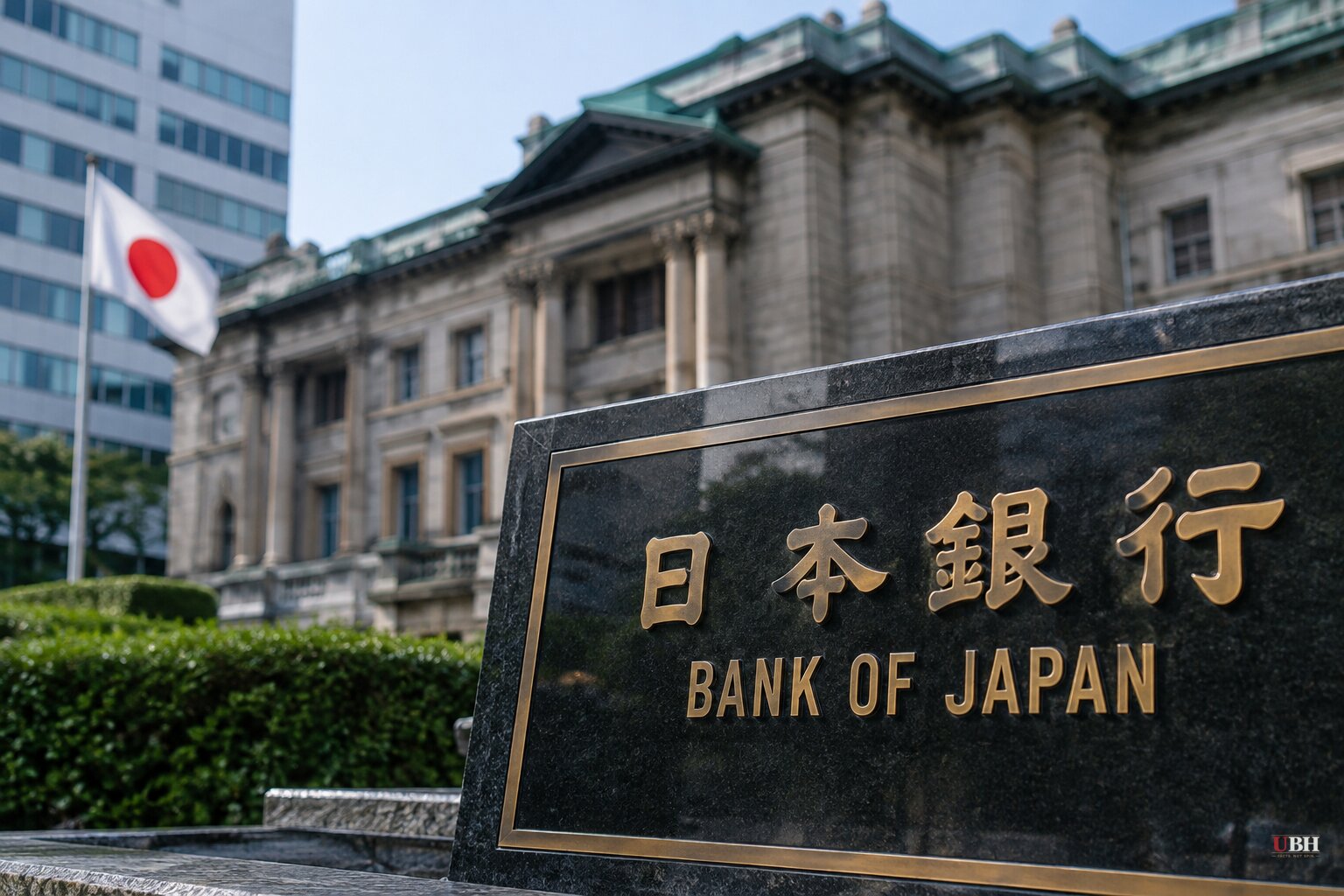
Bank of Japan Gov. Kazuo Ueda said Thursday that the central bank will keep raising interest rates, and he named a risk that would have been unthinkable for most of the past decade: inflation running too hot.
"It's important to anchor underlying inflation around our 2% target to avoid risk of an inflation overshoot from materialising and hurting the economy," Ueda told parliament.
He also said the bank "will continue to raise the policy interest rate and adjust the degree of monetary accommodation, in response to developments in economic activity and prices as well as financial conditions."
Oil, the yen and the household budget
Ueda tied the warning directly to what families pay for goods. "We are mindful of the risk that rising crude oil prices and yen declines, if they persist, could hurt households' real income and weigh on consumption more than expected," he said.
The yen is trading near ¥160 per dollar, down 1.8% for the year to date. That level is widely seen as raising the odds of currency intervention by Japanese authorities. A weak yen raises the cost of imported raw materials, which feeds into food and daily necessities.
Ueda added that the yen's slide could now have a bigger inflation effect than in the past, because firms have become more willing to pass higher costs through to customers.
Inflation has already hit the target
The BOJ's preferred underlying gauge, consumer prices excluding fresh food, rose 2.1% year on year in September, up from 1.7% in August. Economists polled by Quick expect the October figure to reach 2.3%. The national data is due at 23:30 GMT Thursday, which is early Friday morning in Tokyo.
Last month the BOJ said underlying inflation had reached its 2% target for the first time since the goal was introduced in 2013. It left rates unchanged at its Oct. 30 meeting.
Ueda said the measure is likely to accelerate "clearly" above 2% as firms pass on higher labor costs, oil stays expensive and the yen stays weak. He added that surging global demand tied to the artificial-intelligence buildout is another source of price pressure, because it is lifting semiconductor prices even as it supports Japanese exports.
He argued that policy is still loose. "Real interest rates in the shorter zone, which have the biggest impact on economic activity, remain low despite past rate hikes and continue to underpin growth," he said.
The consumption question
The complication is that Japan's economy contracted unexpectedly in the July-September quarter, with private consumption falling. Some analysts have asked whether that drop could change the pace or timing of future hikes.
Ueda's answer was that it will not. He said consumer spending is resilient overall and blamed the third-quarter dip on the rising cost of living and bad weather. "Nominal wages will rise steadily, while the pace of inflation is likely to gradually slow," he said. "We expect consumption to resume a moderate uptrend."
In his appearance before the House of Councillors Committee on Financial Affairs, Ueda also described the economy as recovering moderately, with some weakness tied to the Middle East situation. Exports are rising moderately on AI-related demand, he said, and corporate profits remain high. Capital investment is on a moderate upward path despite higher construction costs.
The same risk he flagged on household income is the one that could undercut that view. If oil and the yen stay where they are, Ueda's own words suggest spending could weaken further.
What the markets expect
The BOJ raised its policy rate to 1.25% in September, after a June hike. That is a faster cadence than the roughly twice-a-year pace of 2024 and 2025.
In a Reuters poll published Wednesday, 86% of economists forecast a 25-basis-point hike to 1.50% at the Dec. 17-18 meeting. That would be the third increase this year. Nearly 60% expect another move to 1.75% by the end of March.
The widening gap with the U.S. is also a factor. Reuters reports that the dollar is being supported by growing prospects that the Federal Reserve will raise rates next month, which keeps pressure on the yen even as the BOJ tightens.
The next data point is the October inflation print. A reading at or above the 2.3% forecast would sit comfortably with Ueda's message. The decision itself comes Dec. 17-18.
It is unclear how long Ueda can keep tightening if oil and the yen squeeze household incomes as he warned.
Sources used for this briefing
7 links from 7 independent newsrooms (syndicated copies of the same report count once)
These are the sources it draws on, linked so you can verify.


