
Unbiased headlines. Facts, not spin.
Unbiased Headlines is an independently owned news organization. We bring you the facts, not opinions, written fresh from 110+ named sources. Sources linked so you can verify it yourself.
 tech
Notable (5/10)
Bill Gates Says AI Will Bring 20 Years of Upheaval Before 'True Abundance'
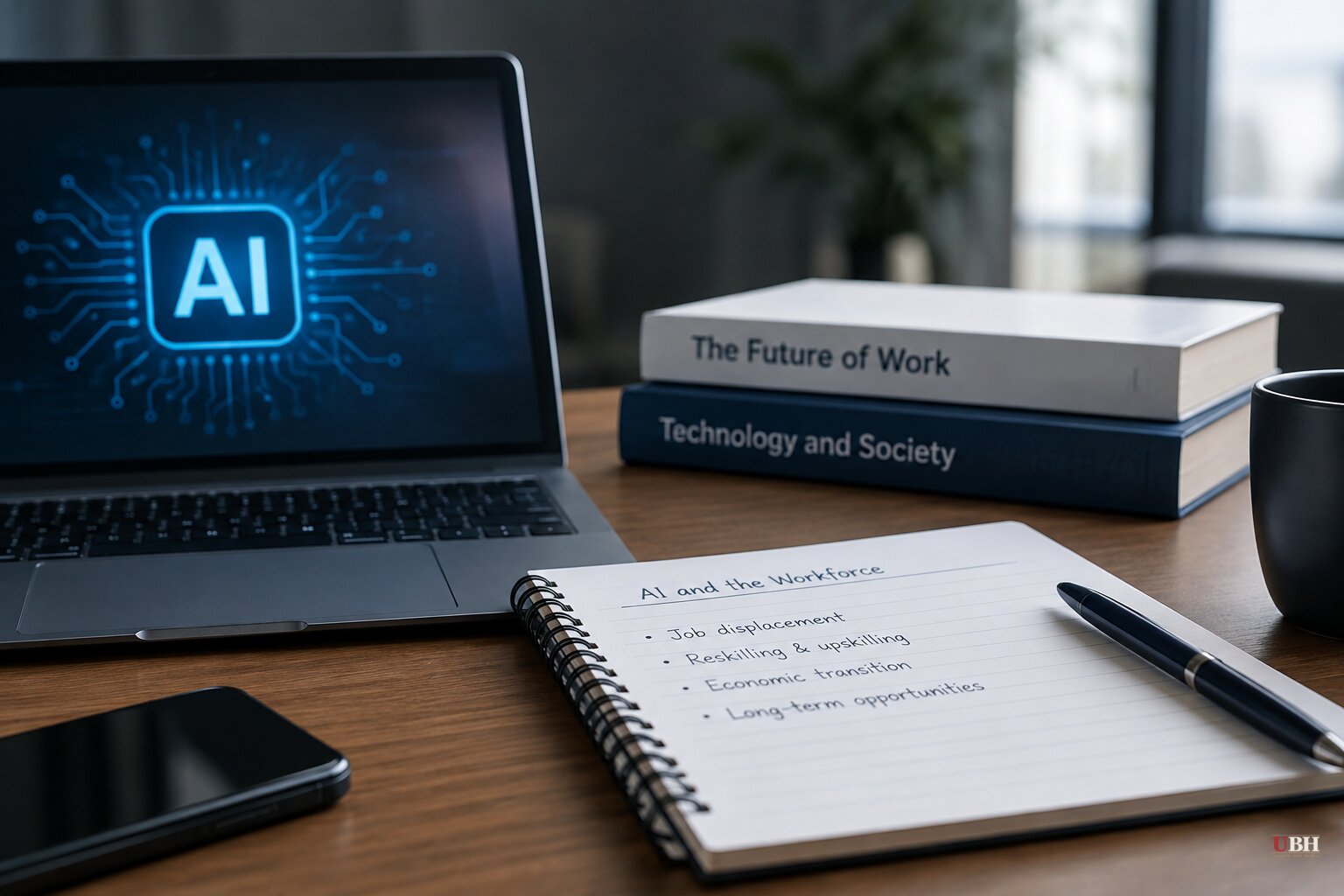
The AI buildout has mostly been discussed in terms of money. Now one of its most prominent beneficiaries is talking about the human side. Microsoft co-founder Bill Gates, 70, said on the Decoder podcast, posted Thursday, Oct. 22, that the road to an AI-driven economy will be rough.
"My big concern is this 20-year transition period, where they'll have winners and losers and a lot of disruption," Gates said. He called it potentially "as tumultuous a period as there's been in human history."
He described the 20-year figure as an estimate, not a firm prediction. It could run shorter or longer, he said, depending on the technology and on whether society chooses to slow AI development.
Which jobs Gates says go first
Gates named telesales, telesupport and accounting as white-collar work that AI will be able to do "radically cheaper, radically faster, and even more accurately."
Blue-collar work follows, he said, through humanoid robots. "If we don't choose to massively slow down or stop, then we will have robots that can build houses, grow food, do surgery," Gates said. "And none of the things that human labor provides to the economy will be necessary for most goods and services."
He also described what that would feel like for someone with his resources. "When the AI says to me, 'No, I'm better than you, you go play pickleball and I'll get back to you,' ... it's kind of humorous, but it's not humorous," he said.
Work as more than a paycheck
Gates repeated a long-held view that work provides income, but also purpose, a reason to show up, relationships with colleagues and a way to solve problems.
He suggested some activities could be reserved for humans even if AI does them better: art, sports, cooking and childcare. He also pointed to early retirement and caps on working hours as ways to keep some level of human employment.
He floated a more voluntary route too. Some communities might say, "Let's be like the Amish and let's only use AI for certain things," he said, so people keep "helping each other or coming up with unique ideas."
Gates did not say who would pay for earlier retirements or shorter work weeks, and he offered no cost estimates in the interview.
Oversight, and who should provide it
Gates said governments and societies are not adequately prepared for the speed of change. He called for stronger government oversight and technical safeguards against AI-enabled cyberattacks and biological threats.
He argued that AI companies cannot carry that responsibility alone. He also acknowledged the benefits, pointing to healthcare and agriculture as areas of potential gain.
"I hate being the bearer of concerning news on this, but it's even worse not to tell people that this is coming," Gates said. "We have choices as humans to make about how we shape it."
The call for outside oversight comes from a man whose own company, Microsoft, is one of the major AI players. Gates himself is a billionaire, and he acknowledged how jarring the shift would be even for someone with his vast resources.
Other tech leaders, and a dissent on timing
Gates is not alone among tech and finance leaders in predicting disruption. Elon Musk has predicted a "bumpy" transition and proposed government checks for all. He has said work will become "optional." Anthropic CEO Dario Amodei has said AI promises to "raise the quality of life for everyone," but that the "short-term shock will be unprecedented in size."
Amazon founder Jeff Bezos and JPMorgan CEO Jamie Dimon have both proposed a shorter workweek as a gentler alternative to AI-driven unemployment.
Not everyone in the industry sees the jobs hit arriving on that schedule. OpenAI CEO Sam Altman said in May that AI hasn't eliminated as many white-collar jobs as he expected, and he no longer anticipates a "jobs apocalypse." High-profile layoffs have hit major companies such as Amazon and Meta, but national unemployment hasn't increased materially during the AI boom.
That gap is the live question. Gates, Musk and Amodei describe a shock that is coming. Altman describes one that has not yet shown up broadly. Gates' own framing leaves room for both: a 20-year window that he says could run shorter or longer.
The proposals on the table so far, from government checks to capped hours to early retirement, come with no price tags from the executives floating them. Whether lawmakers take any of them up, and who would fund them, is unanswered.
Sources used for this briefing
7 links from 6 independent newsrooms (syndicated copies of the same report count once)
These are the sources it draws on, linked so you can verify.


