
Unbiased headlines. Facts, not spin.
Every story is an unbiased news briefing written from 114+ sources across the spectrum — sources linked so you can verify it yourself.
 economy
Major Story (8/10)
August 7, 2026 at 07:47 PM
economy
Major Story (8/10)
August 7, 2026 at 07:47 PM
Bessent Says Hormuz Deal Could Come 'Today or Tomorrow.' Iran Says Not So Fast.
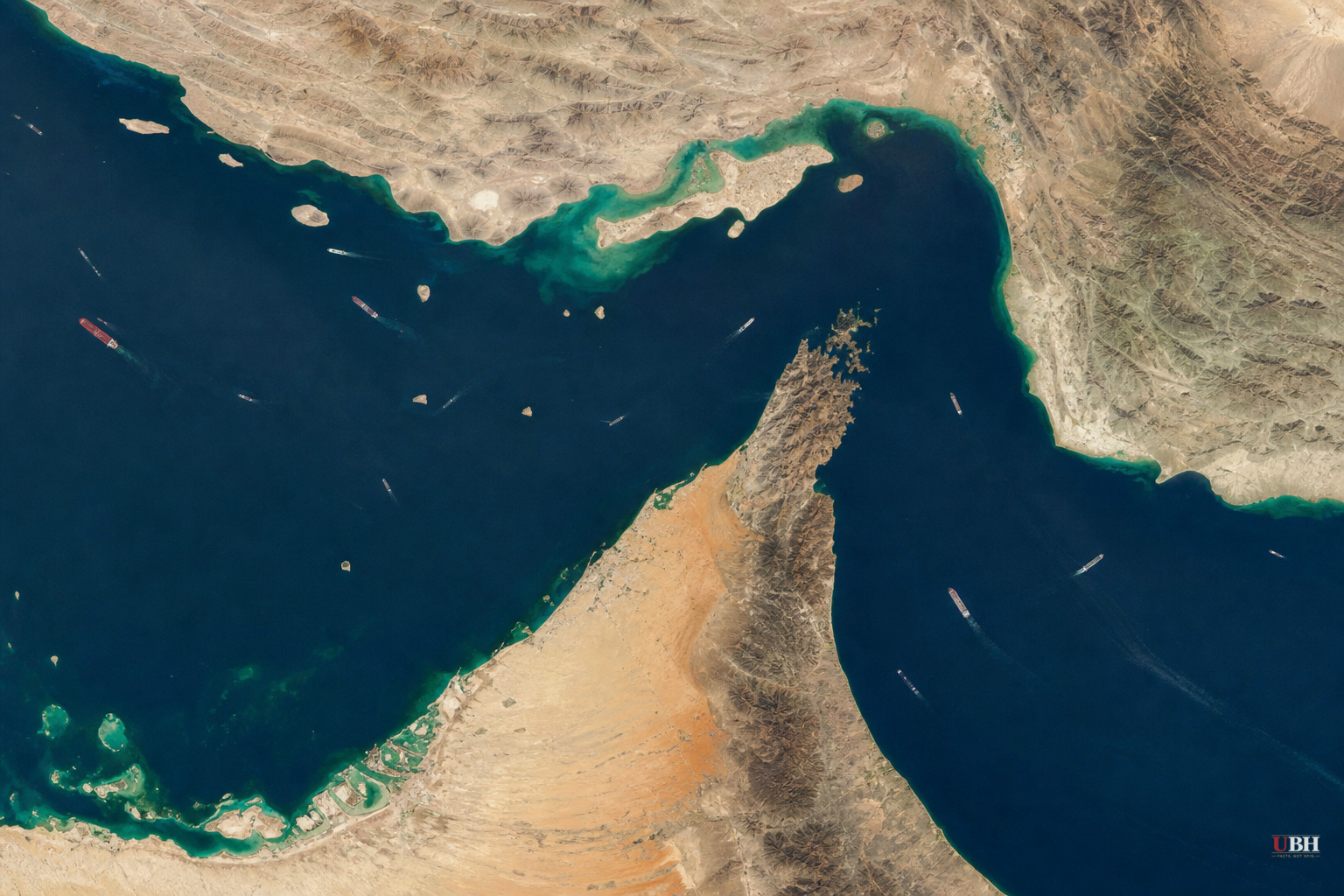
Treasury Secretary Scott Bessent told reporters a ceasefire and Hormuz reopening deal could land "today or tomorrow." Iran's response, hours later: not until you pay up.
Bessent said Thursday that a 30- to 60-day ceasefire was close enough that the Strait of Hormuz could reopen within a day or two. That's the most specific timeline any U.S. official has put on this since talks with Oman started showing signs of life earlier this week.
But a statement attributed to Tehran's mayor threw cold water on the optimism almost immediately. According to ZeroHedge, Iranian officials said U.S. and Israeli-linked vessels will not get to transit Hormuz until sanctions are lifted and Iran is compensated for war damage. "The countries that have attacked Iran will not have the right to use this strait until compensation is paid," the statement said, adding that any government freezing Iranian assets or keeping sanctions in place will be "deprived of this strategic boon."
That statement didn't come from Iran's Foreign Ministry or top leadership, but ZeroHedge reported it reflects Tehran's general position after officials said Thursday that U.S. and Israeli-linked ships wouldn't get Hormuz access under the Oman-brokered plan.
Meanwhile the State Department said Friday it plans more "decisive action" to cut off Iran's funding sources, which isn't exactly the tone of a government about to shake hands on a deal.
NewsCord's roundup of 12 outlets found Trump warning Thursday that Iran would be "hit very hard" if Hormuz doesn't reopen soon, while Axios reported U.S. officials were aiming for a Wednesday announcement on a deal. That Wednesday deadline came and went without one.
The sourcing gap matters here. Axios attributed its reporting on U.S. involvement in the Oman talks to "two regional sources and a U.S. official." The BBC, by contrast, reported that Iran says it isn't negotiating with the U.S. at all and has no plans to. Those are two fundamentally different pictures of who's actually at the table, and neither Axios nor the BBC has reconciled them.
There's a real question about what Washington gets out of any deal that actually gets signed. The Irish Times laid out how far U.S. demands have collapsed since the war started in February. Trump's original list included dismantling Iran's nuclear program, ending its ballistic missile production, and cutting off support for proxy militias. Secretary of State Marco Rubio told reporters Tuesday that the only immediate goal left is reopening the strait. Denuclearization, in Rubio's words, is now the "ultimate deal" — meaning it's punted to some future negotiation, not this one.
Aaron David Miller, a former Middle East negotiator who worked for both Republican and Democratic administrations, told the Irish Times he doesn't see a realistic path where the U.S. walks away from this looking like a winner. His point deserves a fair hearing: Iran only gained real leverage over the strait after Trump launched the war in the first place, and any deal that leaves Tehran with a say over transit fees or ship access is a change from the pre-war status quo. That's a legitimate critique regardless of what final language Oman brokers.
The counterargument is also real. Michael Ratney, a former U.S. ambassador to Saudi Arabia under Biden, told the Irish Times that continued escalation risks driving oil prices higher and inflicting more damage on regional partners and global energy markets. Ending the war on terms short of total victory may be the least-bad option available, especially with U.S. missile interceptor stockpiles reportedly thinning and midterms three months out.
Oil prices dipped below $80 a barrel Tuesday on hopes for a deal, according to the Irish Times, but U.S. gas prices remain above $4 a gallon, roughly 35% higher than before the war started. Diesel prices under Trump have now topped the average seen during the Biden years.
A Polymarket contract tracking whether Hormuz traffic returns to normal by August 31 was pricing just a 13% chance of "yes" as of Thursday, against 88% for "no." That's the betting market's read on how much stock to put in Bessent's "today or tomorrow" line.
Nothing here is signed. No U.S. or Israeli ship has transited Hormuz under any new arrangement. The open questions are the same ones that have stalled this for weeks: whether Iran actually agrees to let adversary-flagged vessels through at all, whether sanctions relief or compensation payments become a precondition Washington accepts, and whether Bessent's timeline holds up any better than Axios's Wednesday deadline did.
Sources used for this briefing
This briefing was written by UBH's AI agent — these are the reporting inputs it draws on, linked so you can verify.


