
Unbiased headlines. Facts, not spin.
Unbiased Headlines is an independently owned news organization. We bring you the facts, not opinions, written fresh from 110+ named sources. Sources linked so you can verify it yourself.
 economy
Major Story (8/10)
Bessent and Greer Press China to 'Immediately' Honor Busan Trade Deal Ahead of Shenzhen Summit
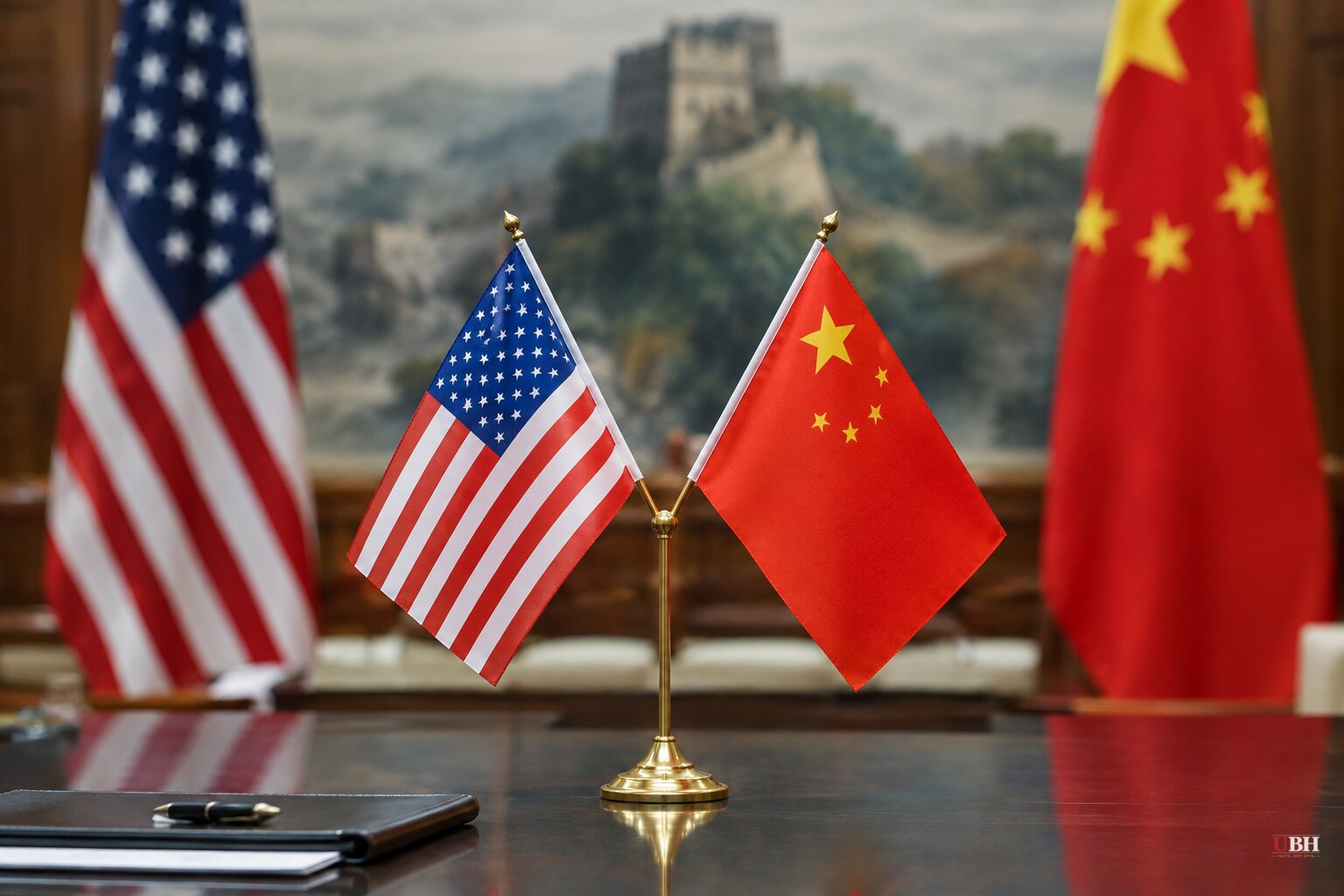
U.S. Treasury Secretary Scott Bessent and U.S. Trade Representative Jamieson Greer used a call with Chinese Vice Premier He Lifeng today, Nov. 6, to demand that Beijing follow through on the trade truce reached in Busan in October 2025.
"I emphasized the importance of China fully and immediately honoring its commitments, raised concerns about recent Chinese actions and underscored that progress depends on concrete results," Bessent said in a post on X.
The Treasury's readout said the two sides discussed the bilateral economic relationship and "reaffirmed the value of maintaining direct and candid communication." It also said the United States "will closely assess China's implementation of the arrangement."
What Washington says is missing
The Treasury did not spell out the "recent Chinese actions" in its public statement. The Financial Times, citing the readout and a U.S. official, reported that the main complaints are rare earth exports and agricultural purchases.
According to the FT, U.S. officials contend China is fulfilling only about two-thirds of its pledged rare earth exports. The paper reported that volumes have not risen even after direct talks in New York two months ago. The FT also reported that a U.S. official said President Trump regards the matter as an urgent priority.
On farm goods, the U.S. position is that China is lagging on some imports. The FT reported that Beijing has held to its soybean purchase targets, so the dispute is over other agricultural products.
Beijing's position
China rejects the rare earth criticism. The FT reported that Beijing denies it is falling short on those exports.
On agriculture, China's commerce ministry said Thursday that China is open to buying more U.S. farm goods, but only if both sides implement their reciprocal tariff-cut agreement. Beijing has signaled that tariff concessions remain central to what it wants out of the truce.
That sets up a sequencing standoff. Washington wants delivery first. Beijing ties further purchases to tariff relief.
The numbers on the table
The Busan ceasefire between Trump and Chinese President Xi Jinping was later extended through January 2027. After a September summit in Washington, the two sides proposed a $60 billion package of reciprocal tariff cuts. That package includes roughly $17 billion worth of U.S. farm goods that China imported in 2024. It has not been finalized.
The White House said in May that Beijing had agreed to buy $17 billion of U.S. agricultural goods annually starting in 2026, with this year's target prorated. Those purchases are on top of the soybean commitment China made in October 2025.
The rare earth question carries weight beyond farm trade. China's control over processing and export of those materials is a national security concern for U.S. industry and defense supply chains. A shortfall of one-third on pledged volumes is a material gap, though the figure is the U.S. side's claim and Beijing disputes it.
Shenzhen next
The call came as both sides finalize preparations for a Trump-Xi meeting at the Asia-Pacific Economic Cooperation summit in Shenzhen later this month. Pressing China publicly now puts the compliance dispute on the table before the two leaders sit down.
The administration has framed its approach as protecting American workers, farmers and businesses. The Treasury readout said Bessent reiterated a commitment to "pursuing trade and economic policies that benefit American workers, farmers, and businesses and strengthen U.S. economic and national security."
Neither government has released detailed volume data to settle the rare earth disagreement. The open questions heading into Shenzhen are whether Beijing will show higher export numbers before the meeting, and whether the $60 billion tariff-cut package gets finalized before the truce expires in January 2027.
Sources used for this briefing
6 links from 6 independent newsrooms (syndicated copies of the same report count once)
These are the sources it draws on, linked so you can verify.


