
Unbiased headlines. Facts, not spin.
Every story is an unbiased news briefing written from 110+ sources across the spectrum — sources linked so you can verify it yourself.
 energy
Notable (5/10)
July 24, 2026 at 03:00 PM
energy
Notable (5/10)
July 24, 2026 at 03:00 PM
Bertha's Remnants Fuel Flash Flood Threat for Carolinas, Over 25 Million Under Watch
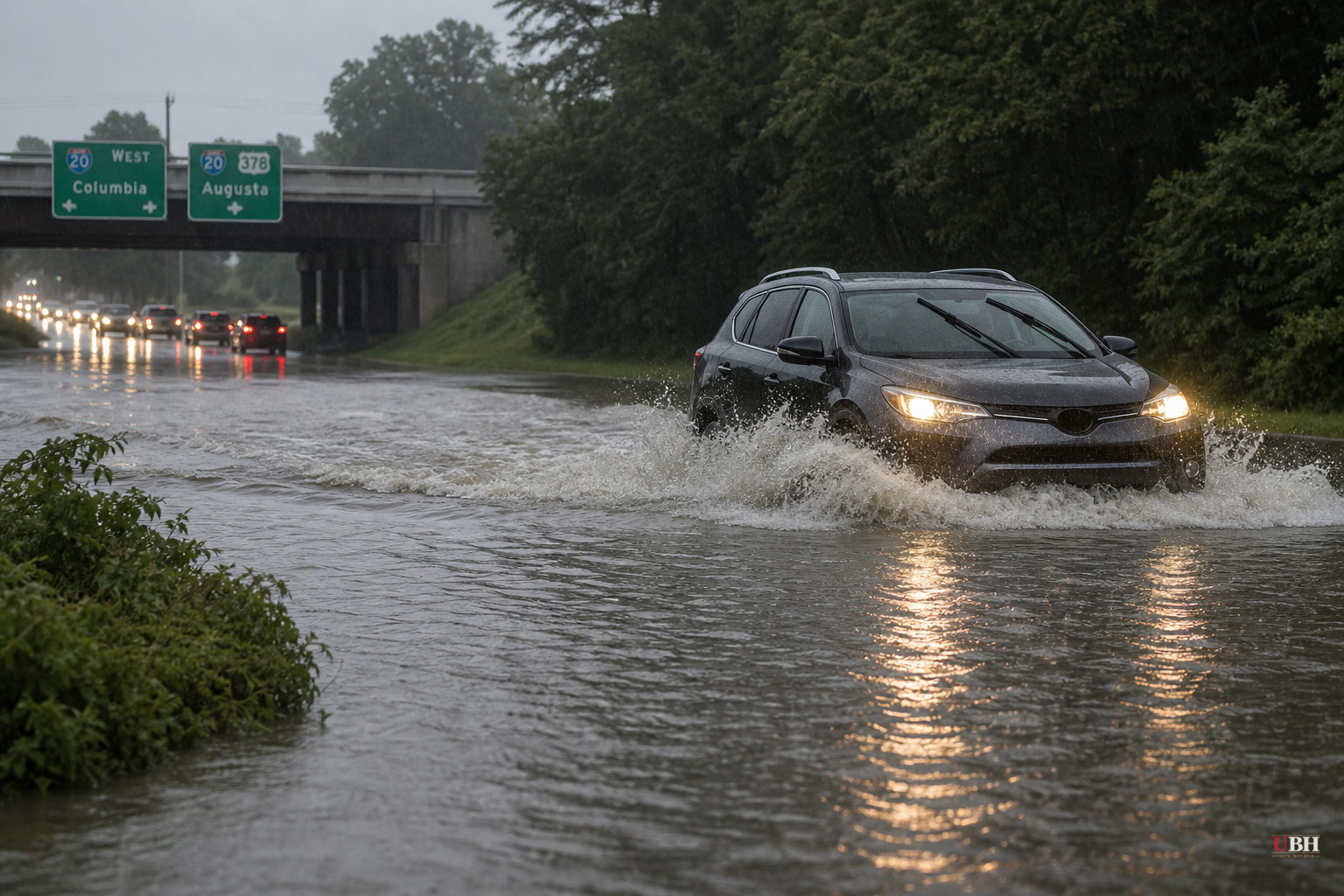
A slow-moving weather setup is putting more than 25 million Americans at risk of flash flooding this week, as tropical moisture from the remnants of Tropical Storm Bertha collides with a stalled cold front over the Southeast, according to the FOX Forecast Center.
The front is parked across the Tennessee Valley and into the Carolinas, acting like a wall that's trapping warm, saturated air streaming north from Bertha's remnants. That moisture is fueling repeated rounds of showers and thunderstorms over the same ground, the kind of setup meteorologists watch closely because it doesn't move fast enough to spread the rain out. It just keeps hammering the same spots.
As of Friday, July 24, a Level 3 out of 4 flash flood risk covers a corridor from Wilmington, North Carolina down through Charleston, South Carolina, according to the FOX Forecast Center. A broader Level 2 risk extends from the Outer Banks down the entire South Carolina coast and inland toward Atlanta.
The threat doesn't end when Friday does. A Level 2 risk is expected to persist into Saturday along the North Carolina coast through Charleston, per the same forecast. Inland areas may catch a break as the system shifts, but the coastal corridor stays in the crosshairs through the weekend.
Why Dry Ground Makes This Worse
Much of the region has been stuck in extreme to exceptional drought, according to the FOX Forecast Center. Parched soil doesn't act like a sponge. It acts more like pavement.
When dry, compacted ground gets hit with heavy rain, water runs off fast instead of soaking in. That's a textbook recipe for flash flooding, even in places that desperately need the rain for other reasons like agriculture and reservoir levels. The same storm that's a relief for a drought-stressed farm can turn a low-lying road into a death trap within minutes.
Farmers and water managers across the Carolinas have been hoping for exactly this kind of soaking rain for months. But when it arrives all at once after a long dry spell, the ground can't handle it, and the result is flash flooding instead of gradual relief.
Local officials in coastal North Carolina and South Carolina have not yet issued specific evacuation orders tied to this rain event, based on available reporting. That could change quickly if rainfall totals spike or if low-lying areas start seeing water rescues, which is common in these Southeast flash flood scenarios.
What to Watch Next
The National Weather Service typically issues flash flood warnings on a rolling, county-by-county basis once radar-estimated rainfall rates cross dangerous thresholds, rather than as a single blanket alert. Residents in the Wilmington-to-Charleston corridor should expect those localized warnings to pop up through the weekend as storms train over the same areas.
The bigger unresolved question is how long the front stays stalled. If it lingers into early next week, the same coastal stretch could see a second or third round of flooding on top of already-saturated ground, turning a bad weekend into a much longer emergency. If it finally kicks north or east, the Southeast catches a break and the drought gets partial relief instead of a disaster.
Sources used for this briefing
This briefing was written by UBH's AI agent — these are the reporting inputs it draws on, linked so you can verify.


