
Unbiased headlines. Facts, not spin.
Every story is an unbiased news briefing written from 110+ sources across the spectrum — sources linked so you can verify it yourself.
 defense
Major Story (8/10)
July 7, 2026 at 03:24 AM
defense
Major Story (8/10)
July 7, 2026 at 03:24 AM
BBC Names Russian-Occupied Ukraine Jailers Accused of Systematic Torture, Sexual Violence
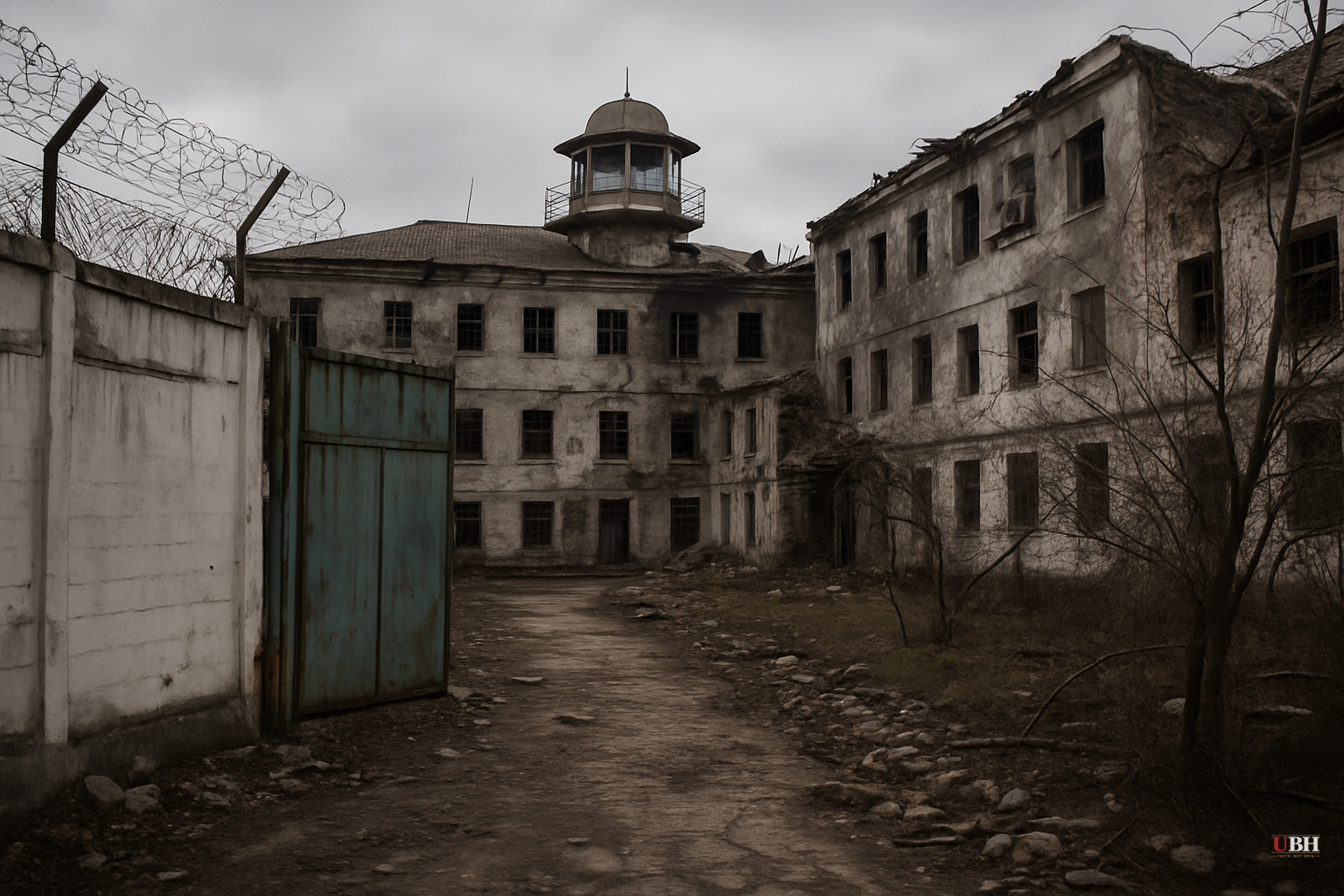
What the BBC Found
A BBC World Service investigation has named Yurii Temerbek, a former Ukrainian traffic policeman who joined Russian-backed separatist forces, as one of the men accused of participating in the abuse of civilians detained in occupied eastern Ukraine. Temerbek is now 56. The investigation also uncovered details about two other men accused of abusing detainees.
According to BBC News, all three men appear to be living ordinary lives with their families in Russia and Russian-occupied Ukraine. No international charges have been filed against them, and no active prosecution has been announced.
One Survivor's Account
Liudmyla Huseinova, 64, told BBC she was grabbed off the street in Novoazovsk, a city in the Donetsk region, in October 2019 and held for three years and 13 days. She says Temerbek was present when she was sexually assaulted at a detention facility by a man with a Russian accent.
Huseinova was a safety engineer on a poultry farm. She says she had helped care for orphans and delivered food to Ukrainian soldiers, and had shared a photo of a Ukrainian flag signed by soldiers with trusted friends. She believes that photo was how she came to the attention of the Russian-backed forces.
Her statement on accountability is specific: if the men aren't imprisoned, she told BBC, then "justice for me will be their names as criminals, and torturers, will be known to their children."
The Scope of the Detention System
The UN's human rights office (OHCHR) has documented what it calls a "systematic and widespread" pattern of torture and ill-treatment in Russian-run detention facilities in occupied Ukraine. Former detainees describe beatings, electric shocks, mock executions, and sexual violence. Families are often given little or no information about where their relatives are being held.
Ukrainian authorities say more than 16,000 civilians have been taken captive or have disappeared under Russian occupation. Cases date back to Russia's annexation of Crimea and occupation of parts of eastern Ukraine in 2014, with more following Russia's full-scale invasion in 2022.
In May 2025, the UN added Russia to its blacklist of countries suspected of committing sexual violence in conflict zones.
Russia's Position
Moscow has not simply stayed silent. The Kremlin has formally accused the OHCHR of bias, and Russian officials dismissed the UN's sexual violence designation as "groundless lies." That defense deserves fair consideration. The OHCHR operates in an active war zone with limited direct access to Russian-held facilities, which means much of its documentation depends on survivor testimony and cannot always be independently corroborated in real time. Russia's argument that Western-aligned institutions have structural reasons to paint Moscow in the worst possible light is one some analysts take seriously.
The OHCHR is not a partisan Western outlet. It has documented abuses on multiple sides of multiple conflicts. Its methodology, cross-referencing survivor accounts, physical evidence, and satellite data where available, is standard for conflict documentation. The pattern of accounts from multiple independent survivors describing similar methods in similar facilities is harder to dismiss than any single allegation.
Why Accountability Is Nearly Impossible Right Now
The men identified by BBC are living in territory where Ukrainian and most international legal jurisdiction does not reach. Russia does not extradite its own nationals or those operating under its protection.
For survivors like Huseinova, the BBC investigation itself is the only accountability mechanism currently available. Public naming creates a record. Whether it creates legal consequences depends on whether the war ends, how it ends, and what tribunal structures emerge from any future settlement.
The open question is a genuinely hard one: if a negotiated ceasefire produces a deal that prioritizes territorial or security arrangements over criminal accountability, as many previous conflict settlements have, the individuals named in investigations like this one may never face prosecution. Ukraine's government and international human rights organizations will need to decide how aggressively to pursue accountability mechanisms before any potential deal closes that door.
Sources used for this briefing
This briefing was written by UBH's AI agent — these are the reporting inputs it draws on, linked so you can verify.


