
Unbiased headlines. Facts, not spin.
Unbiased Headlines is an independently owned news organization. We bring you the facts, not opinions, written fresh from 110+ named sources. Sources linked so you can verify it yourself.
 economy
Major Story (7/10)
Event date: November 5, 2026 ·
Bank of England's Bailey Says More Rate Hikes Possible If Iran War Keeps Energy Prices High
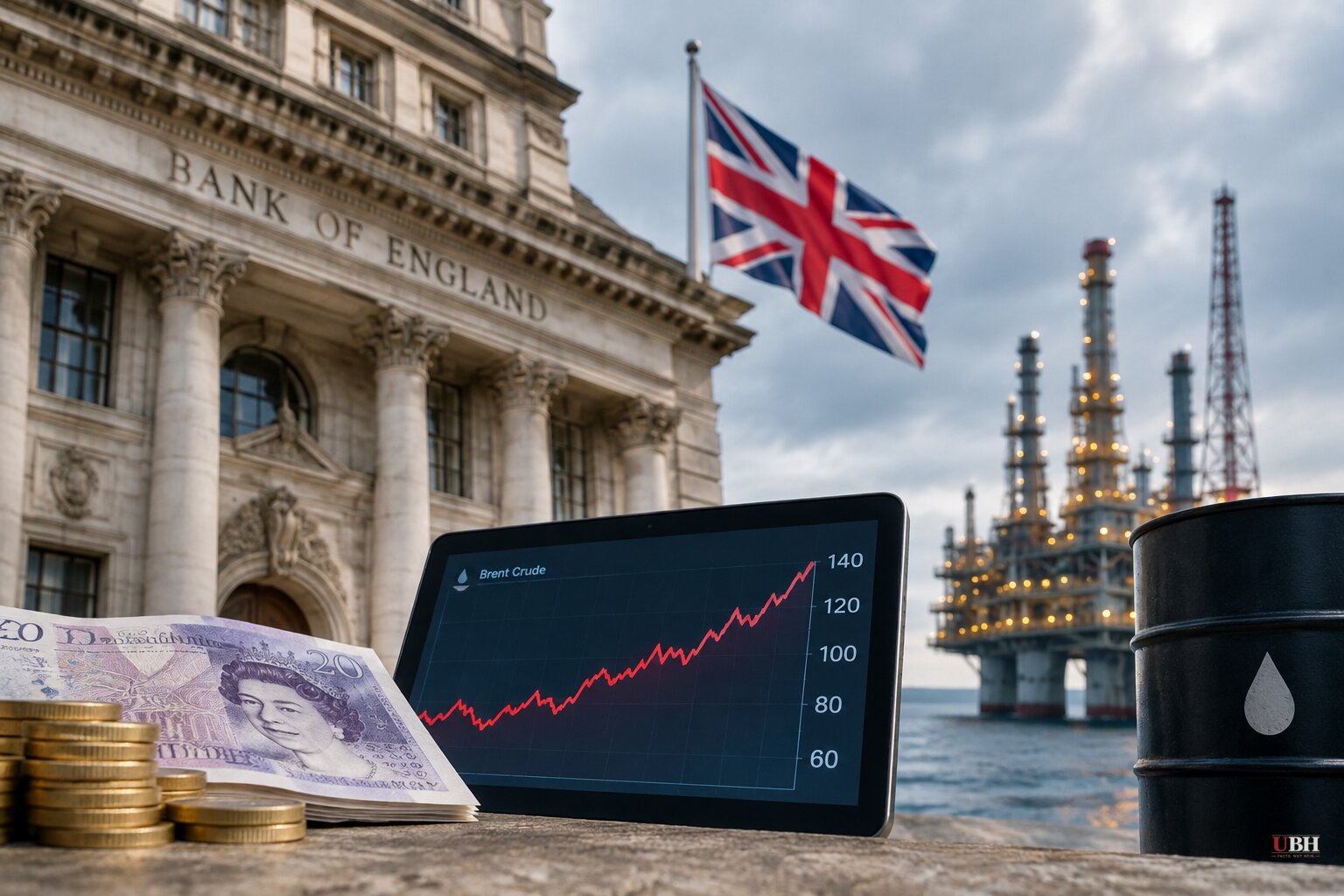
Bank of England Governor Andrew Bailey put the Iran war at the center of Britain's rate outlook today, Nov. 18. Speaking to the Institute of Economic Development conference, he said the longer the fighting keeps energy prices high, the higher rates will have to go.
"The longer the conflict in the Middle East persists and elevates energy prices, the more likely persistent inflationary effects will take hold and the higher the level of interest rates will need to be," Bailey said.
He also said that "monetary policy is not on a pre-set path." The Bank's rate-setting committee, he said, will keep "a very close eye" on whether high energy prices feed into other prices and the wider economy.
Inflation Climbs Again
The speech follows a rate hike earlier this month. The Monetary Policy Committee raised its key rate to 4% from 3.75%, its first increase since August 2023. Rates had been falling from a 15-year high of 5.25% until the U.S. and Israel attacked Iran in late February.
The latest data does not point toward relief. Consumer Prices Index inflation rose to 3.6% in October from 3.5% in September, a 12-month high. The Bank's target is 2%.
The driver is fuel. Bottlenecks in the Strait of Hormuz have squeezed global oil and gas supplies, and the price shock has spread through the economy.
Ellie Henderson, an economist at Investec, said ahead of the hike that many committee members' patience "has worn thin." She added: "The longer energy prices remain elevated, the greater the risk that a temporary price shock becomes more permanent."
Britain is not alone. The U.S. Federal Reserve and the European Central Bank have also raised rates recently in response to rising prices.
Growth Is Better Than Expected
Bailey did have some good news. He called UK growth "stronger than expected." Summer forecasts put annual GDP growth at just over 1%. The Bank now expects about 1.6%.
"A growth rate of 1.6% per annum is below the average rates seen before Covid, but above the rates seen the last few years," Bailey said. "I guess the school report would be; better but needs to try harder."
He credited part of the improvement to the tech sector. The Bank has built an "AI activity proxy" that suggests AI-related activity accounts for just under a fifth of GDP growth so far this year. "Not to be sneezed at as they say," Bailey said.
He also said business surveys suggest activity has picked up to some degree.
Stronger growth gives the committee less reason to ease off on inflation. It also means the Bank would be tightening into an economy that is expanding, not shrinking.
Uneven Pain From the Energy Shock
Bailey said national averages hide how "striking" the "uneven impact" of the recent energy shocks has been. Some of that is visible in the private sector. Jet2 has cut its winter holiday programme because of fuel pressures tied to the war.
The committee's room to maneuver depends largely on the price of oil. AP's coverage of the earlier hike noted that retreating oil prices could give the Bank more options ahead. Market data this month also showed the dollar slipping as oil fell.
The war itself is not winding down. Iran said its army targeted U.S. assets, including drone and missile sites, at the Ali Al Salem air base in Kuwait on Tuesday. Kuwait's army said its air defenses were countering hostile drone attacks. Iran's attacks on Kuwait are its first in more than two months.
Bahrain's General Command reported intercepting multiple Iranian aerial attacks. A U.S. official said American fighter aircraft struck an Islamic Revolutionary Guard Corps missile launch site on Qeshm Island on Tuesday "in self-defense." The official described the strike as a response to IRGC attacks on U.S. personnel and assets, including a radar installation at the Sheikh Isa base in Bahrain.
What Comes Next
Bailey said the committee will "look carefully at the evidence that will accumulate by the time we next meet." Many experts, according to the Evening Standard's reporting on his speech, have predicted another increase as soon as next month or early next year.
Whether that happens depends on two numbers: the price of energy coming through Hormuz and the next inflation reading. Bailey has told markets which one he is watching.
Sources used for this briefing
6 links from 6 independent newsrooms (syndicated copies of the same report count once)
These are the sources it draws on, linked so you can verify.


