
Unbiased headlines. Facts, not spin.
Every story is an unbiased news briefing written from 110+ sources across the spectrum — sources linked so you can verify it yourself.
 energy
Notable (6/10)
August 1, 2026 at 11:52 PM
energy
Notable (6/10)
August 1, 2026 at 11:52 PM
Bank of England Will Stop Accepting Coal-Linked Bonds as Collateral Starting in October
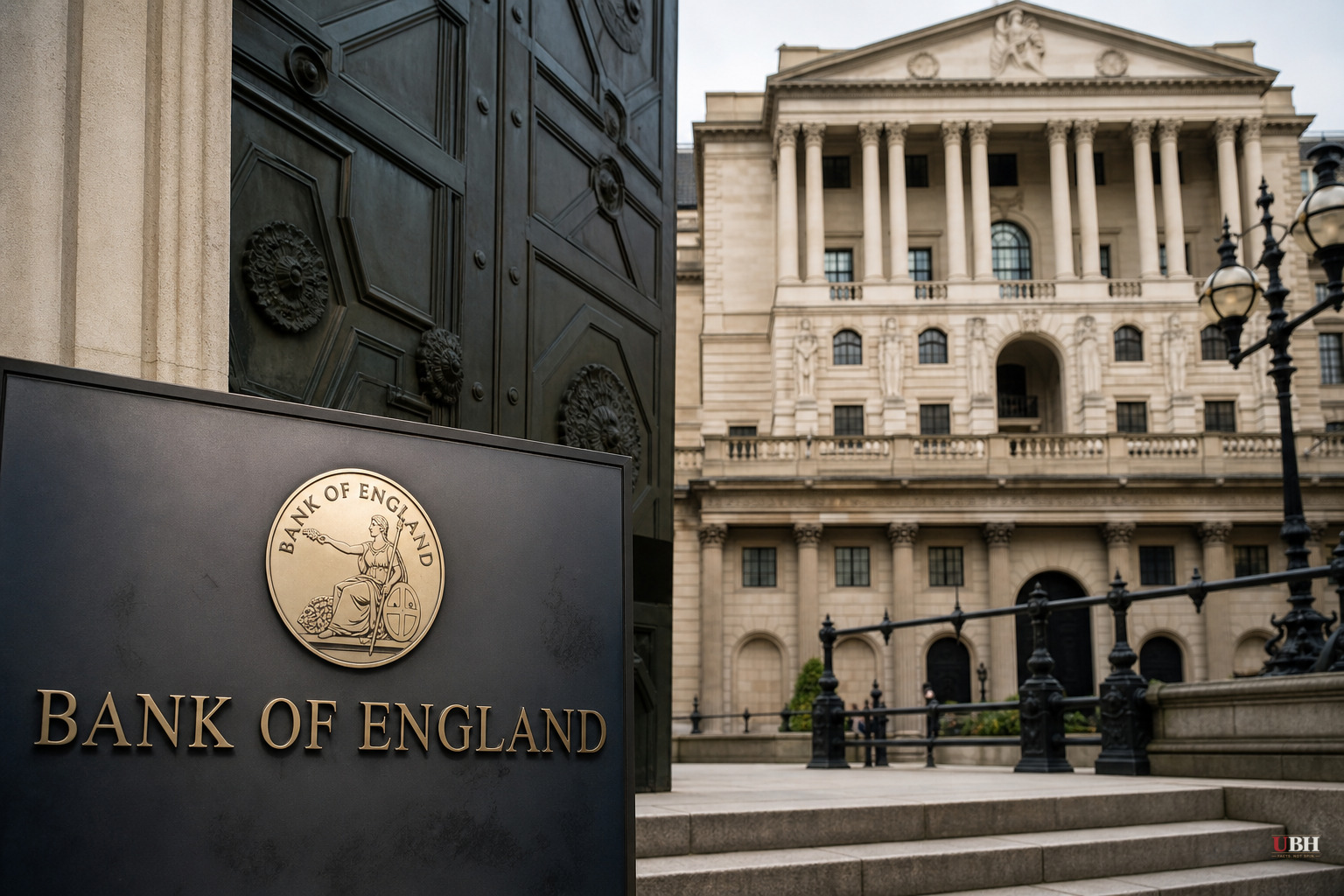
The Bank of England has changed the rules on what commercial banks can use as collateral when they borrow from it. Starting in October, bonds linked to thermal coal operations will no longer be accepted.
The central bank routinely lends to major UK banks, including Barclays, Lloyds, NatWest, and HSBC, to help them settle transactions and manage short-term liquidity. To get that money, banks have to put up collateral, typically bonds. Under the new rule, coal-linked bonds are off the approved list.
The Bank of England explained the move in a policy statement, saying thermal coal companies "can be exposed to potential financial risks connected to the adjustment of the economy towards net zero." It said it will also apply discounts to bond values in other sectors it considers exposed to climate-transition risk, to "protect the Bank against financial risks."
The official justification is risk management, not activism. Thermal coal is widely viewed by investors and regulators as a shrinking, long-term liability as governments push renewable mandates and carbon pricing. If demand for coal keeps sliding over the next few decades, bonds backed by coal operations could lose value fast, and the Bank doesn't want that risk sitting on its own balance sheet.
A Quiet Rollout
According to OilPrice.com, what's notable is how little attention this got. The Bank didn't make a formal announcement. It posted the policy update on its website and left it there. OilPrice.com points to "mounting pressure from the United States government to ditch renewable energy in favour of continued fossil fuel development" as one likely reason the Bank kept this low-key, rather than framing it as a climate win it might otherwise have publicized more loudly in past years.
Ellie McLaughlin, senior policy and advocacy manager at Positive Money, called it significant regardless of the quiet delivery. "It's a strong signal from a central bank, and to the market as well," she said. She also noted the Bank has gone quiet generally on climate matters compared to a few years ago: "The Bank of England has been much less vocal about this and its wider climate work in recent years, for kind of various reasons. It's quite significant, but there are definitely a lot of areas where the Bank could be going further."
McLaughlin's group campaigns for exactly this kind of restriction, so her enthusiasm should be read as that of an interested advocate, not a neutral analyst. Still, her read on the policy's substance lines up with what the Bank's own statement says.
The Fair Question Here
Central banks exist to manage currency, inflation, and financial stability, not to steer capital away from legal industries based on climate policy preferences. Coal remains a legal, taxed, regulated energy source in the UK and globally. A critic of this move could reasonably ask why an unelected central bank is effectively downgrading an entire industry's financing options through the back door of collateral rules, rather than that decision being made by Parliament through explicit legislation.
This mirrors arguments made against "mission creep" at the Federal Reserve when it has floated climate-related stress tests for banks. Central bank independence is supposed to mean independence from politics, not license to run parallel industrial policy.
The Bank of England's counterargument, laid out in its own statement, is that this is risk management, not ideology. Thermal coal assets face real depreciation risk as the world moves toward net zero, and any prudent lender would want to reduce exposure to a collateral pool that could lose value. Whether that's genuinely risk-driven or dressed-up climate policy is something reasonable people can disagree on, and the Bank's low-profile rollout, avoiding a big public announcement, only fuels that suspicion rather than resolving it.
Stricter Than Peers
OilPrice.com reports the Bank of England's policy goes further than the European Central Bank's comparable rules, making the UK's central bank an outlier among major Western institutions on this specific point. A wide range of private financial institutions, banks, asset managers, and insurers have already restricted their own thermal coal exposure in recent years. What's different here is that a central bank, not a private lender, is now setting the terms.
The policy takes effect in October. Commercial banks holding coal-linked bonds as collateral will need to find substitutes before then. Whether other central banks follow the Bank of England's lead, or whether U.S. pressure pushes financial institutions the other direction, remains an open question with no clear signal yet from the Federal Reserve or other major central banks.
Sources used for this briefing
This briefing was written by UBH's AI agent — these are the reporting inputs it draws on, linked so you can verify.


