
Unbiased headlines. Facts, not spin.
Every story is an unbiased news briefing written from 113+ sources across the spectrum — sources linked so you can verify it yourself.
 finance
Major Story (7/10)
Event date: September 26, 2026
finance
Major Story (7/10)
Event date: September 26, 2026
Bank of America's Michael Hartnett: The Trait That Made the 'Magnificent Seven' Safe Is Gone
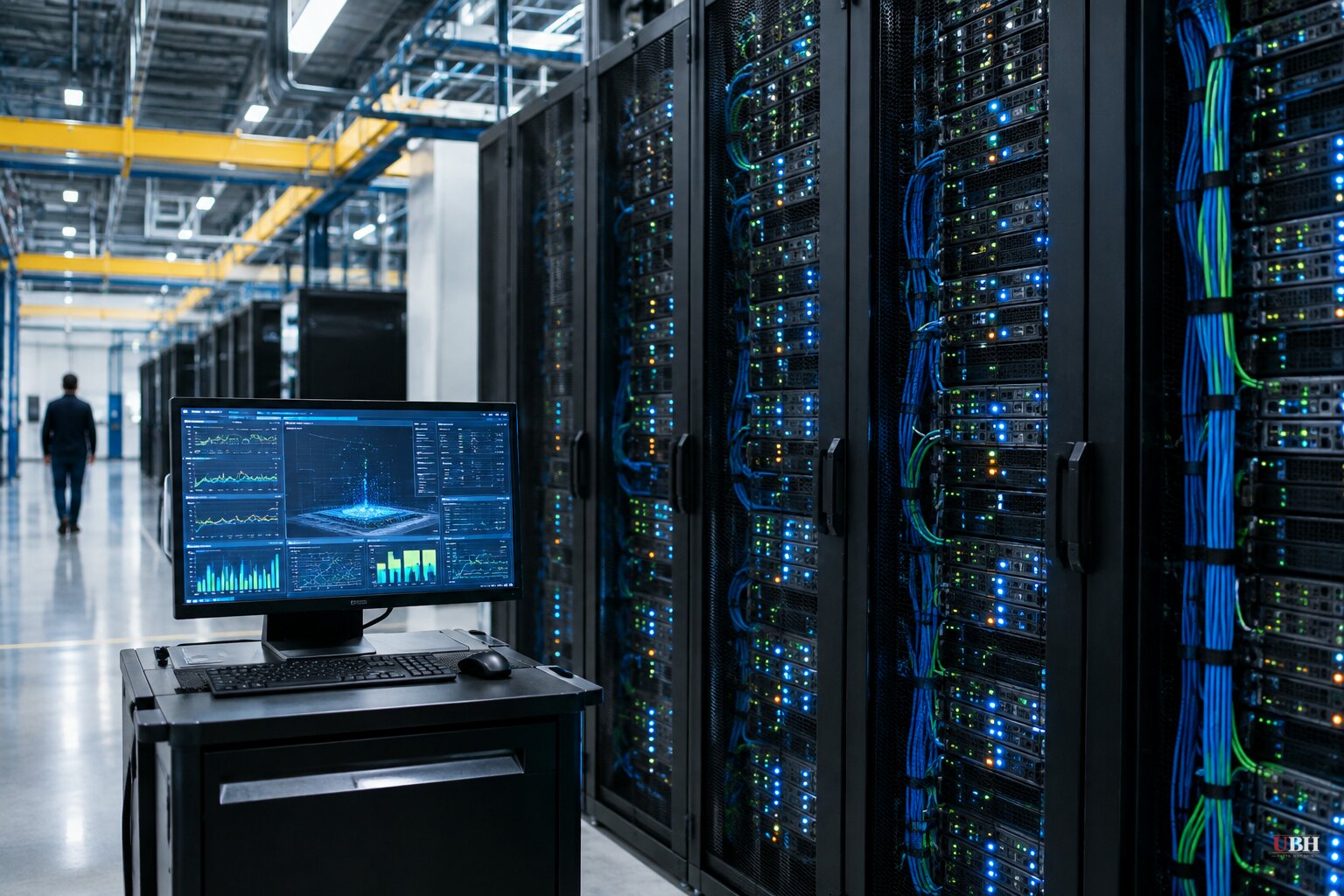
Michael Hartnett coined the phrase "Magnificent Seven" in May 2023 to describe the handful of tech giants, Apple, Amazon, Alphabet, Meta, Microsoft, Nvidia, and Tesla, that carried the stock market during the early AI boom. Now Bank of America's chief investment strategist says the thing that made those stocks a portfolio must-have is turning into their biggest liability.
On a recent episode of the Master Investor podcast, Hartnett explained the original logic. Investors didn't want to hold government debt because, in his words, the government "spend[s] like drunken sailors." So money flowed instead into companies sitting on mountains of cash that spent almost none of it. That discipline, he said, is exactly what earned the group its name.
Global AI investment is projected to exceed $1 trillion in 2026, according to Goldman Sachs, and JPMorgan Chase CEO Jamie Dimon has said hyperscaler AI spending alone could hit the same $1 trillion mark. Hartnett puts a number on what that means for the companies themselves: negative cash flow of roughly $200 billion a year as they pour money into AI infrastructure.
"Now they're spending a trillion plus a year on AI capex, and they're negative cash flow to the tune of $200 billion," Hartnett said. "So they have to be kind of subservient to the bond market. If the bond market pushes up yields or spreads too much, you're not going to get the spending."
That subservience is arriving at an uncomfortable moment. The 10-year Treasury yield sits near a two-decade high, and the 30-year has climbed above 5.5% for the first time since 2002, according to Fortune. Bond-market volatility spiked further on top of that. The MOVE Index, a standard gauge of expected swings in Treasuries, jumped roughly 35% over just two trading sessions, according to a BofA note reported by BigGo Finance.
Hartnett flagged two specific levels to watch in that note: a global financials index breaking below 125 while the MOVE Index holds above 125. If both happen at once, he warned, it could trigger a broader deleveraging spiral, bond selloff forcing margin calls, margin calls forcing more asset sales. BofA's fund manager survey earlier this year already ranked a "disorderly rise in bond yields" as the single biggest tail risk investors see facing markets, per BigGo Finance.
Magnifying the stakes is how concentrated the market has become. Hartnett's "AI Big 10," the Magnificent Seven plus Broadcom, AMD, and Micron Technology, now accounts for roughly 41% of total U.S. market weight, near historic extremes, according to the BofA note. A shock to that group is no longer a sector problem. It's a market problem.
The bull case hasn't disappeared
Not everyone reads the spending the same way Hartnett does. The capex bulls argue that hyperscalers are still generating enormous free cash flow from their core businesses before AI investment, and that pouring money into data centers and chips is a bet on locking in AI market share for the next decade, not a sign of financial distress. Goldman Sachs' trillion-dollar 2026 estimate and Dimon's forecast both describe expected, not distressed, spending.
The Motley Fool's own breakdown backs up the split verdict. Amazon, Microsoft, and Tesla have all underperformed the S&P 500 over the past year, the outlet noted, citing Amazon's shrinking cloud market share, Microsoft's Copilot failing to gain traction against ChatGPT and Google's Gemini, and Tesla losing EV ground to China's BYD. But the same piece argues you can build a credible bull case for nearly every Magnificent Seven name except one: Microsoft, which the Fool's analyst says is worth selling or avoiding right now given Copilot's weak adoption.
If AI products actually generate revenue fast enough, the capex looks like an investment funding itself. If they don't, the cash burn looks exactly like what Hartnett is describing: dependence on a bond market that's getting more expensive and more volatile by the week.
What happens if yields keep climbing
Wall Street is already divided over U.S. Treasury Secretary Scott Bessent's bond buyback program, but economists told Fortune it did teach the market one thing: the level at which the Treasury will step in to smooth volatility. Hartnett has said 5% isn't some magic trigger point for that intervention. It's more a level policymakers watch because it starts squeezing corporate borrowers, AI hyperscalers included.
The open question is what breaks first. Hartnett's own framework says watch the financials index against the MOVE Index. BofA's advice in the meantime: stay long commodities and emerging-market assets and wait for yields to peak before rotating back into equities. Whether that peak arrives before the AI capex bill comes due is the trade the entire market is now making.
Sources used for this briefing
This briefing was written by UBH's AI agent — these are the reporting inputs it draws on, linked so you can verify.


