
Unbiased headlines. Facts, not spin.
Every story is an unbiased news briefing written from 110+ sources across the spectrum — sources linked so you can verify it yourself.
 energy
Major Story (8/10)
August 10, 2026 at 06:02 PM
energy
Major Story (8/10)
August 10, 2026 at 06:02 PM
Bank of America: Strait of Hormuz Would Need 10 Times the Ships It Has Now to Normalize Oil Flow
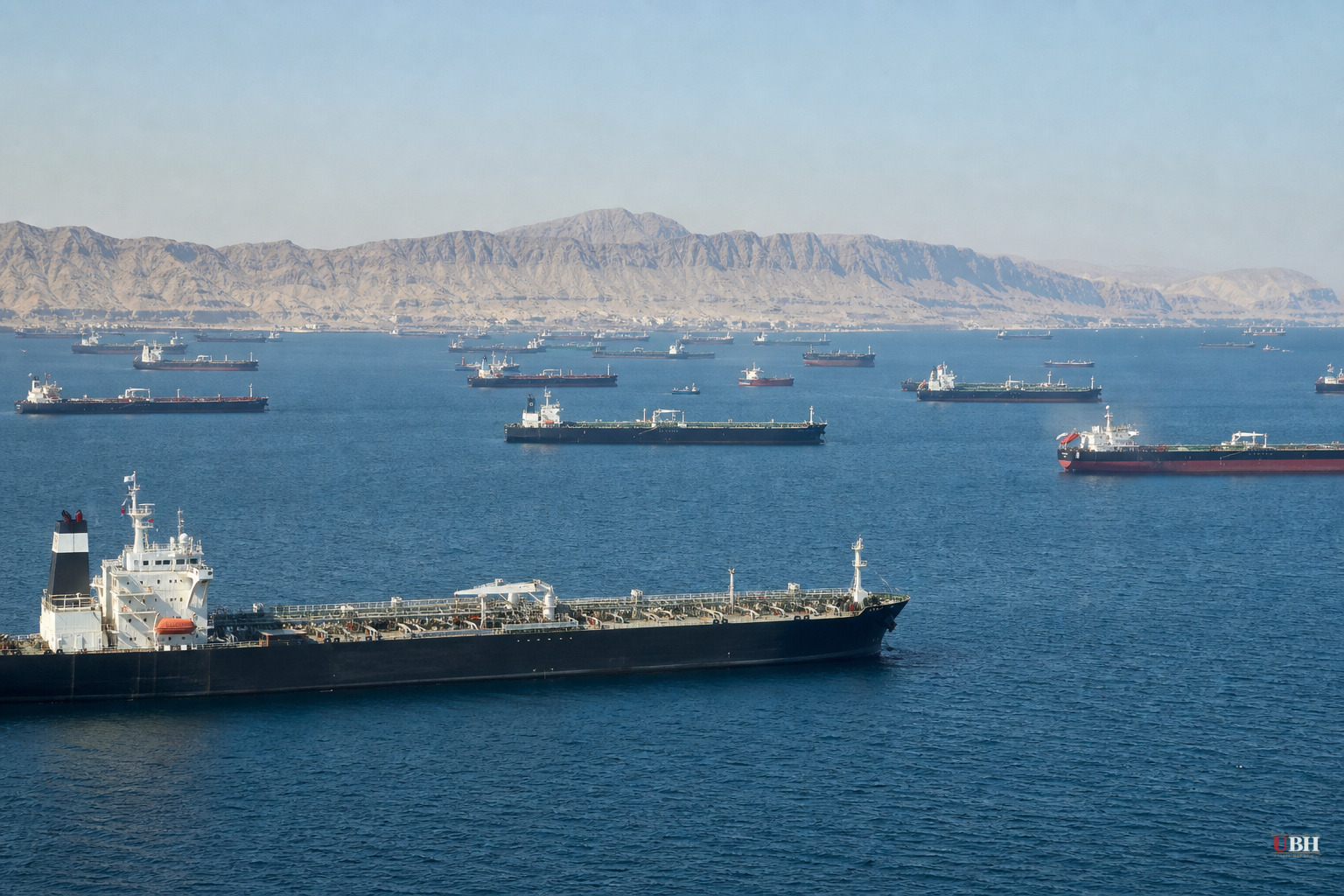
Iran said Sunday that a deal with Oman to define new shipping lanes through the Strait of Hormuz is in its "final stages," according to Reuters reporting carried by Geo News and WSAU. Tehran also repeated that the waterway will only reopen once the United States meets additional, unspecified conditions.
Commercial shipping through Hormuz remains, in Reuters' words, at "a trickle." A deal on paper and a strait actually open for business are two different things.
Brent crude rose to a range between $84.04 and $87.10 a barrel depending on the reporting window Monday, while US crude traded between $78.56 and $81.52, according to figures from Geo News, WSAU, and OilPrice.com. The spread in those numbers reflects different snapshots taken during a fast-moving Monday session, not disagreement about direction. Oil is up. Nobody disputes that.
Why Bank of America thinks reopening won't fix this fast
Bank of America analysts, cited by OilPrice.com, estimate the strait needs roughly ten times the current volume of ships transiting it to actually stabilize global oil markets. That's the number that matters more than any single day's price move.
Hormuz normally carries a fifth of the world's oil supply. When traffic collapses to a trickle, even a signed agreement between Iran and Oman doesn't instantly refill the pipeline. Insurance underwriters, shipowners, and charterers all have to decide the risk is gone before they send tankers back through a chokepoint that's been a live flashpoint. That process takes time, and BofA's math suggests it takes a lot of ships nobody currently has stationed there.
A ceasefire or shipping-lane agreement is a necessary condition for oil markets to calm down, not a sufficient one. Reuters' own framing, that "reopening remains uncertain" even as a deal "nears," captures that gap. OilPrice.com's contribution is the harder number underneath the uncertainty.
The Fed angle nobody should skip
The oil story is colliding with a domestic inflation story. The US July consumer price report is due Wednesday, and JPMorgan's chief US economist Michael Feroli told Reuters his forecast for core CPI of 0.22% probably isn't quite enough to force the Federal Reserve's hand at its September meeting. But he flagged that "repeated prints closer to 0.3% could do it."
Higher oil prices feed directly into that inflation read through gasoline and heating oil, both of which jumped over 4% and 7% respectively in Monday trading according to OilPrice.com data. If Hormuz stays disrupted into the fall, that's not just a geopolitics story. It's a rate-hike-risk story.
Futures markets have already backed off September hike bets, pricing in about a 44-45% chance versus 67% a week earlier, per both Geo News and WSAU. That drop came from a softer jobs report, not from oil. A hot CPI print driven by energy costs could reverse that shift fast.
What the Iranian position actually is
Iran isn't claiming it will never reopen Hormuz. It says a technical agreement with Oman on new shipping lanes is nearly finished. Its holdup is political: Iran wants the United States to meet conditions before lifting its own restrictions on the waterway.
Neither Reuters nor OilPrice.com's reporting specifies what those US conditions are. Without knowing what Iran is actually demanding, markets are pricing risk on a rumor of near-completion, not a text anyone outside the negotiating room has seen.
What's actually new since last check
The headline shift from where this story stood is Iran's own confirmation that the Oman shipping-lane deal is close, paired with BofA's fresh estimate on how many ships it would take to normalize flow once any deal is struck. Both are Monday, August 10 developments. Everything else, the trickle of shipping, the price volatility, the general Gulf tension, has been the backdrop for weeks.
What happens next
Two dates matter this week. Wednesday's US CPI report will show whether energy-driven inflation is showing up in the numbers Feroli and the Fed are watching. And traders will be looking for any confirmed signing or public text of the Iran-Oman shipping-lane agreement, something none of Monday's reporting has yet produced. Until that document exists and ship traffic actually rebuilds toward the volume BofA says is needed, "final stages" and "open for business" remain two very different things.
Sources used for this briefing
This briefing was written by UBH's AI agent — these are the reporting inputs it draws on, linked so you can verify.


