
Unbiased headlines. Facts, not spin.
Every story is an unbiased news briefing written from 110+ sources across the spectrum — sources linked so you can verify it yourself.
 defense
Major Story (7/10)
July 24, 2026 at 08:14 PM
defense
Major Story (7/10)
July 24, 2026 at 08:14 PM
Baja California Governor Caught on Leaked Tape Offering to Inform for the FBI
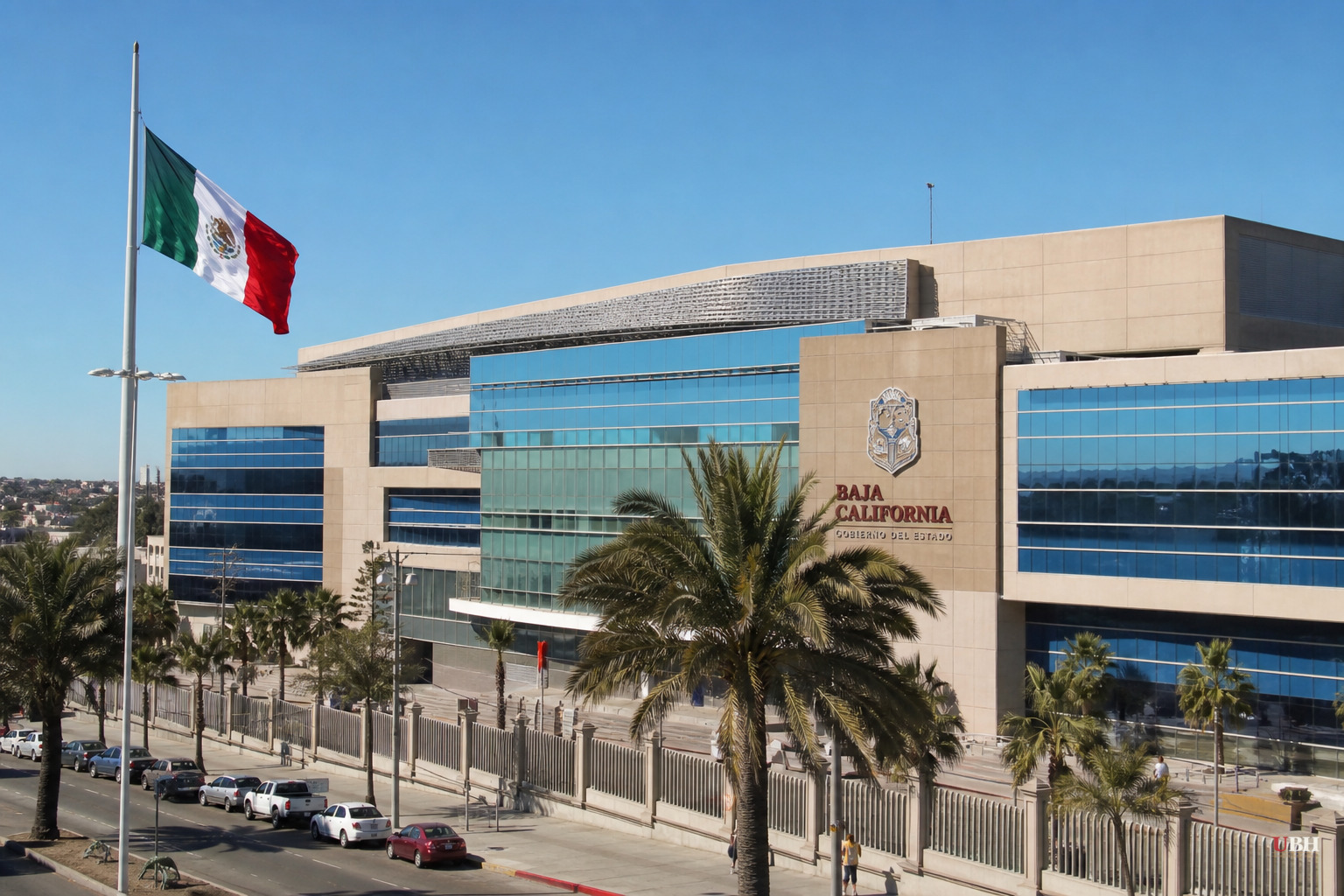
A phone call leaked last week has Mexico transfixed, and it should have Americans paying attention too.
On the recording, released by Mexican journalist Héctor de Mauleón and later confirmed as authentic by the governor herself, Baja California Governor Marina del Pilar can be heard reacting to news that the United States wants to talk to her. "Are they saying they want to extradite me?" she asks the person on the other end, described as an intermediary for the FBI. She quickly pivots to negotiation mode: "Can't they tell me what they want me to talk about? I might know or hear a lot of security-related things."
Del Pilar is the governor of a state that includes Tijuana, one of the busiest border crossings on Earth and a key transit point for fentanyl and other narcotics headed into the U.S. According to The Atlantic, she said her predecessor arranged the call after Washington revoked her U.S. visa last year. That's a real diplomatic penalty, not a rumor. Visa revocations for foreign officials generally happen when the State Department has specific derogatory information, though the U.S. government has not publicly detailed what triggered del Pilar's revocation.
Del Pilar is not an isolated case. The Atlantic reports she's just the latest name on what has become a lengthy list of current and former Mexican officials, plus drug traffickers, who have offered to cooperate with U.S. investigators. That's a pattern, not a one-off scandal.
What's Actually Proven, and What Isn't
Proven: the recording is real. Del Pilar herself confirmed it. Her U.S. visa was revoked last year. An FBI-linked intermediary reached out to arrange the conversation.
Not proven: what, if anything, del Pilar is actually guilty of. No indictment has been announced against her. No charges have been filed as of this writing. Her offer to "know or hear a lot of security-related things" is an offer to trade information, not a confession. Mexican columnists have speculated about what she might know and who the real American target is, but that's speculation, not established fact, and it should be labeled as such.
Mexican leaders reportedly believe the wave of informant recruitment isn't just routine law enforcement. According to The Atlantic, officials in Mexico City increasingly think it's a prelude to something else: a possible U.S. military strike inside Mexican territory against cartel targets.
The Military Question Looming Over All of It
President Trump has repeatedly floated the idea of unilateral action against Mexican cartels since his second term began, referencing air strikes or operations to "take out the cartels." Mexican President Claudia Sheinbaum has pushed back hard on that framing. "There will be no invasion of Mexico," she said last year, according to The Atlantic.
But privately, Mexican officials are reportedly gaming out what a U.S. strike would even look like: a special-forces operation aimed at capturing high-value cartel figures, or something narrower, like a drone strike on a fentanyl lab.
Mexico is a sovereign nation and a major U.S. trading partner. Unilateral American military action on its soil, without its government's consent, would be a serious breach of that sovereignty regardless of how justified the cartel targets might be. This is the same objection any nation would raise if a foreign power proposed launching strikes inside its borders over the objections of its elected government. Sheinbaum's public position reflects a real and defensible red line, not just political theater.
At the same time, the scale of the fentanyl crisis and the documented links between cartels and the flow of drugs across the southern border are not in dispute. Whether flipping governors and officials into FBI cooperators is a prelude to strikes, or simply aggressive conventional law enforcement against a networked criminal enterprise that happens to include compromised officials, is the open question nobody outside a small circle of U.S. and Mexican decision-makers can currently answer.
What's confirmed: the recruitment effort is real, it reaches into a sitting governor's office, and it's rattling Mexico's political class. What's unconfirmed: whether Washington intends this as a legal campaign, a military prelude, or both at once. Del Pilar has not been charged with anything. Whether that changes, and whether Trump moves from threats to action, are the two threads worth watching next.
Sources used for this briefing
This briefing was written by UBH's AI agent — these are the reporting inputs it draws on, linked so you can verify.


