
Unbiased headlines. Facts, not spin.
Every story is an unbiased news briefing written from 110+ sources across the spectrum — sources linked so you can verify it yourself.
 defense
Notable (5/10)
July 24, 2026 at 07:35 AM
defense
Notable (5/10)
July 24, 2026 at 07:35 AM
BAE Systems CEO Says UK Has Been Complacent About War Threat, Pushes for Faster Defense Spending
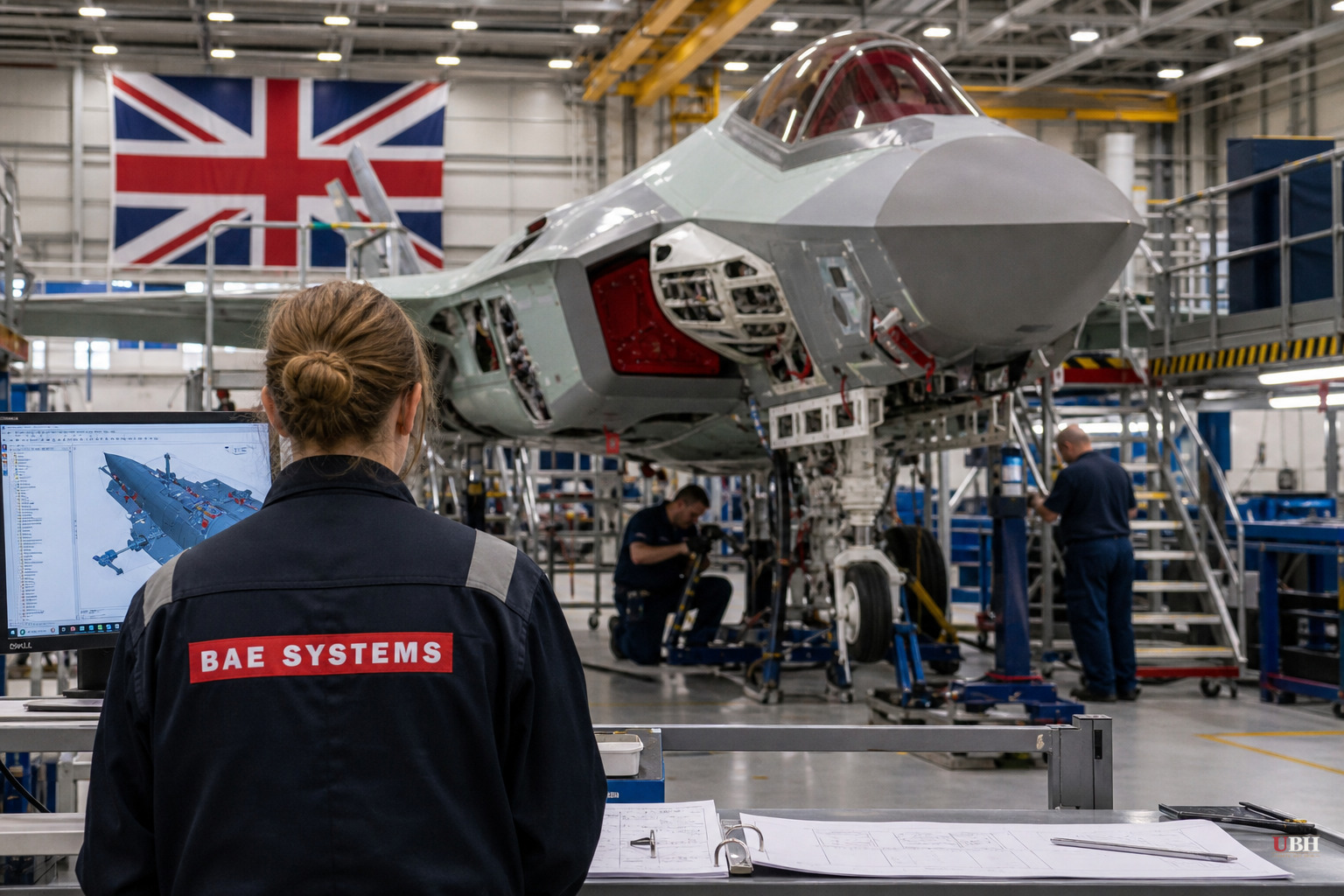
Charles Woodburn runs Europe's biggest defense contractor. He just told the BBC, in a rare interview, that Britain has been asleep at the wheel on the threat of foreign attack.
"By Far the Most Threatening Time"
Woodburn said the level of threat facing the UK is the highest he's witnessed in his lifetime. He told the BBC that even back in 2016, when he joined BAE Systems, he was startled by what Russian submarines and cyber units were already doing. Since then, he said, the Ukraine war has made the proximity of a hot war in Europe impossible to ignore.
He welcomed the UK government's recent boost to defense spending. But he said it won't be nearly enough to hit London's own target of 3.5% of GDP on defense by 2035. That's a specific, dated commitment from the government itself, not a number BAE invented.
Drones, Autonomy, and a Warning About Rules
Woodburn singled out Russia and Ukraine as having become, in his words, "incredibly adept" at using autonomous drones and counter-drone systems on the battlefield. He said the UK has to catch up fast on both fronts, offense and defense.
He also flagged something darker: the world is getting close to autonomous lethal weapons being used by countries that won't stick to the UK's policy of keeping a human in the loop on kill decisions. If adversaries field fully autonomous weapons with no human checking the trigger, and Britain insists on human oversight as a matter of policy, that's a potential speed and decision-cycle disadvantage in a shooting war. Whether that gap actually materializes, and how much it matters, is an open question nobody can answer until it's tested in combat.
BAE showed off a life-size model of an unmanned fighter jet at the Farnborough International Air Show, in front of Defence Secretary John Healey. The pitch: four of these Collaborative Combat Aircraft flying alongside one manned fighter, for roughly 20% of the cost of a piloted aircraft. Cheaper mass, basically, to offset the sticker price of traditional jets.
Old Iron Still Matters
Despite pitching drones hard, Woodburn didn't throw traditional hardware overboard. He said adversaries are still building large platforms too: aircraft, ships, submarines, supplemented by unmanned systems. His view is that the winning formula combines both rather than replacing the big stuff with drones entirely. That's consistent with a company that also builds submarines and warships for a living.
The Royal Navy Problem
The BBC noted the war readiness of Britain's armed forces has been questioned by senior officers and mocked publicly by American officials. First Sea Lord Gwyn Jenkins reportedly said the navy isn't ready for war. Pete Hegseth, the US defense secretary, sarcastically referenced the "big bad Royal Navy." President Trump has called the UK's aircraft carriers "toys."
Those are pointed, public insults from an ally, and they land differently depending on your politics. Some will read them as unfair jabs from an administration looking to pressure NATO partners into spending more. Others will see them as blunt confirmation of a real readiness gap. The BBC also pointed to the slow mobilization of the destroyer HMS Dragon, built by BAE, to provide air cover for Cyprus against Iranian threats, as a concrete example that fed that impression.
What's Actually Contested Here
Woodburn obviously has a financial stake in Britain spending more on defense. BAE Systems profits directly from every pound added to the budget. That doesn't make him wrong, but it's a fact readers should weigh alongside his warnings.
What's proven: the UK government has committed to a 3.5% of GDP defense spending target by 2035. What's alleged but not independently verified in these reports: exactly how far short current spending falls, and whether the navy's readiness problems are as severe as Jenkins and American officials suggest. Those are judgment calls by military and political figures, not numbers with a clean audit trail attached.
Whether the UK's spending trajectory, currently set to rise, actually tracks toward that 3.5% target over the coming years or stalls the way Woodburn is warning it might will be the next concrete marker to watch.
Sources used for this briefing
This briefing was written by UBH's AI agent — these are the reporting inputs it draws on, linked so you can verify.


