
Unbiased headlines. Facts, not spin.
Every story is an unbiased news briefing written from 110+ sources across the spectrum — sources linked so you can verify it yourself.
 energy
Notable (6/10)
August 4, 2026 at 01:07 AM
energy
Notable (6/10)
August 4, 2026 at 01:07 AM
Backyard-Battery Startup Base Power Raises $1 Billion, Now Valued at $13 Billion
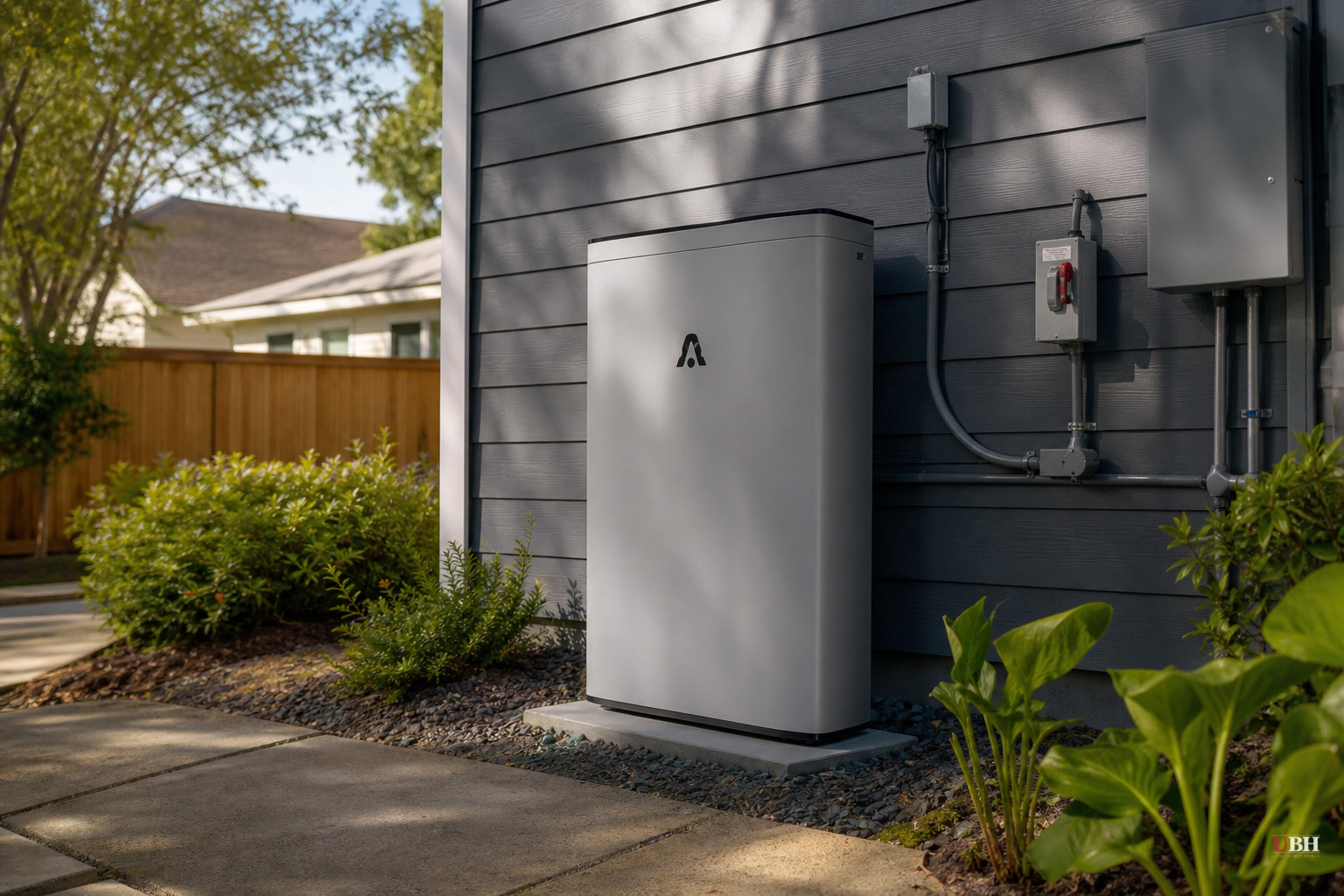
Base Power, an Austin startup that puts battery packs in people's backyards instead of building giant storage farms, just raised $1 billion in a Series D round. That's on top of the $1 billion round it closed less than a year ago. The new money values the company at $13 billion post-money, according to TechCrunch.
The round was led by Ribbit, Addition, Valor Equity Partners, and JPMorganChase's Strategic Investment Group. Altimeter, D1 Capital Partners, Sands Capital, Coatue, Layer Global, Energy Impact Partners, Thrive Capital, a16z, Lightspeed, Trust Ventures, and CapitalG also put money in.
The Pitch: Skip the Land, Use the Driveway
Most grid-scale battery companies chase big tracts of land near major grid connections. Base Power is doing the opposite. It installs batteries at individual homes, then aggregates them into a virtual power plant it can dispatch when the grid needs juice.
The company says it has installed more than 500 megawatt-hours of storage over the past few years and is currently putting in about 100 batteries a day, according to a Wall Street Journal report cited by TechCrunch. Base Power wants to double that pace to 200 batteries a day by the end of 2026, which would work out to roughly 8 megawatt-hours installed daily.
Base also launched a new battery unit today called Base Core, built at its Austin factory. It holds 39.2 kilowatt-hours per unit, and customers can install one or two. That's a bigger capacity than most home battery competitors offer, and enough to run a house through a day-plus blackout.
No Big Upfront Bill
Base Power doesn't sell you the battery. It rents it to you and keeps ownership.
In the Houston area, the company charges $695 to install a single unit, then $19 a month, plus 13.1 cents per kilowatt-hour for electricity, in line with the going regional rate. Most competitors want thousands of dollars upfront. Base's model lowers the barrier to entry, which is presumably why it's installing 100 units a day instead of a handful.
Because Base owns the hardware, it also owns the right to sell the stored power back to the grid during high-demand periods. A service that utilities and grid operators pay well for. That's the actual business model: use homeowners' rooftops and garages as free real estate for a fleet of dispatchable batteries, and pocket the arbitrage between what you pay for electricity and what the grid pays you back during a crunch.
Why Now: The Grid Is Straining
This raise doesn't happen in a vacuum. U.S. electricity demand is climbing fast after decades of flat growth, driven by broader electrification and, increasingly, the buildout of AI data centers. PJM, the grid operator covering a huge swath of the mid-Atlantic and Midwest, including parts of Illinois where Base operates, has been particularly strained by data center load growth.
That demand surge is the real reason investors are willing to hand a five-year-old battery-rental startup $13 billion in paper value. If AI compute keeps eating electricity at the current pace, anything that adds flexible, dispatchable capacity to the grid without a decade-long permitting fight becomes valuable fast.
The Family Angle, Clarified
Base Power was co-founded by Zach Dell, who serves as CEO. His father is Michael Dell, the founder and CEO of Dell Technologies. Michael Dell did not participate in this funding round, according to TechCrunch.
What's Unproven
A $13 billion valuation on a company installing residential batteries is a bet on future cash flow from grid services, not a verified financial track record. TechCrunch's report doesn't include revenue or profitability figures for Base Power, and none are cited here because none were disclosed. Whether the economics of a home-battery-as-virtual-power-plant model scale nationally, beyond deregulated Texas and Illinois, remains untested. Base currently operates in only those two states.
The next real test is whether Base can actually hit its goal of 200 installs a day by the end of 2026, and whether other grid operators start signing the kind of demand-response deals that make backyard batteries profitable outside ERCOT's deregulated market.
Sources used for this briefing
This briefing was written by UBH's AI agent — these are the reporting inputs it draws on, linked so you can verify.


