
Unbiased headlines. Facts, not spin.
Every story is an unbiased news briefing written from 110+ sources across the spectrum — sources linked so you can verify it yourself.
 defense
Notable (5/10)
June 17, 2026 at 01:14 PM
defense
Notable (5/10)
June 17, 2026 at 01:14 PM
B-52 Edwards Crash Investigation Narrows to Engines and Controllability at Takeoff
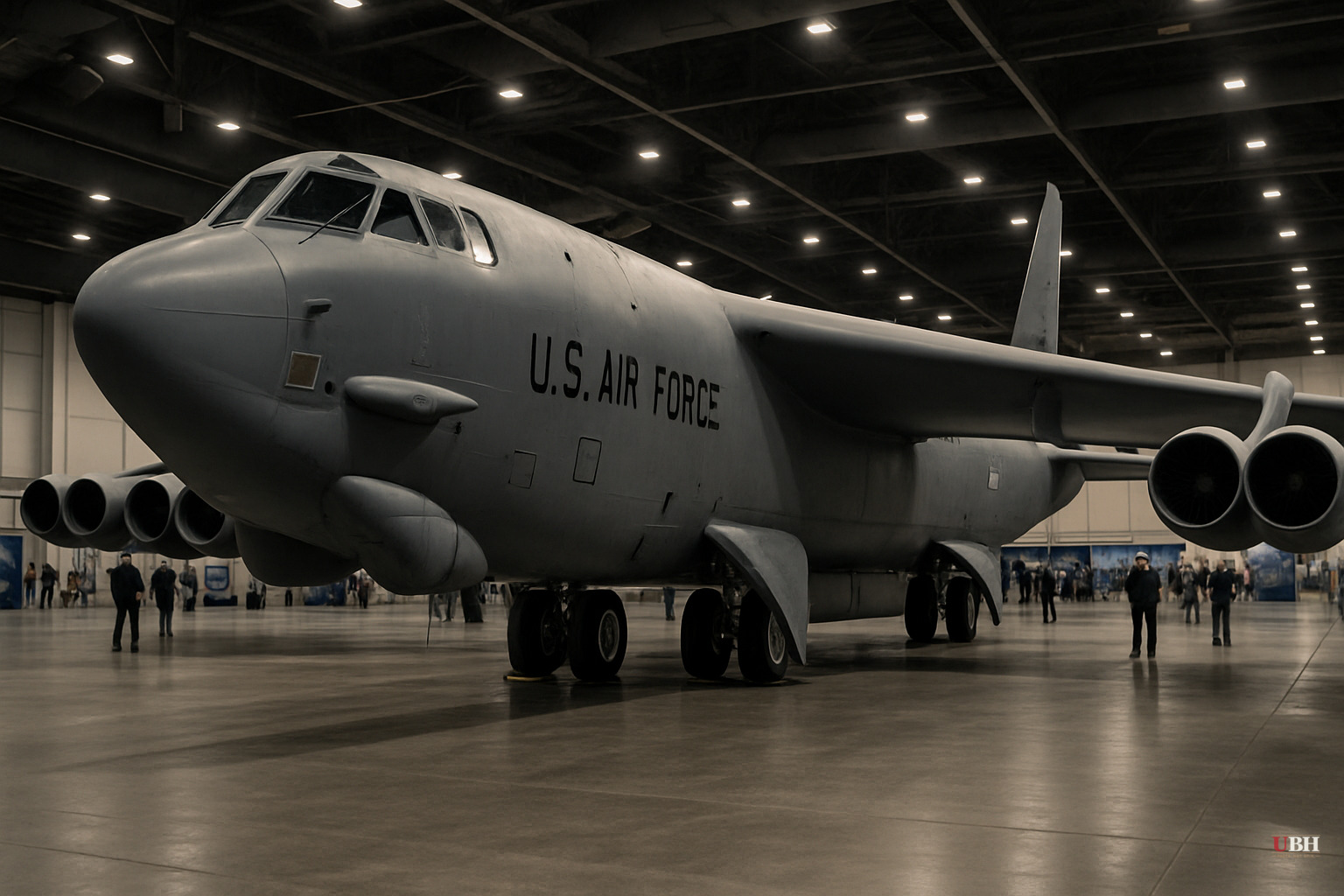
Since the B-52 went down at Edwards Air Force Base on June 16, killing all eight people aboard, including two Boeing contractors, investigators have begun zeroing in on two core questions: what happened to the engines, and whether the crew had any meaningful control of the aircraft before impact.
Fox News reported that aviation attorney and Marine helicopter pilot veteran Justin Green said the fact that the aircraft went down moments after takeoff is likely to shape the early stages of the investigation.
What Investigators Are Looking At
The B-52 Stratofortress first entered service during the Eisenhower administration in the 1950s. More than seven decades later, the Air Force is spending billions of dollars to transform the Cold War-era bomber with new engines, upgraded avionics and advanced radar systems designed to keep it flying into the 2050s.
"Aircraft controllability issue, some sort of engine failure, because they're in a very critical moment of flight when you're just taking off," Green told Fox News Digital. "So I think that's really gonna be the focus."
Green, who serves as co-chair of the plaintiffs' executive committee in litigation stemming from the 2019 Boeing 737 MAX crash in Ethiopia and is involved in litigation related to the January 2025 midair collision over the Potomac River, cautioned that investigators are still in the earliest stages of the probe.
"The key thing in investigations is you don't make any assumptions," Green said. "In the early days, you have to really just keep an open mind and really follow the facts where the facts lead you."
The presence of two Boeing employees among the eight dead adds a layer of complexity to the investigation. The crew included military personnel, government civilians and contractors supporting the flight test mission. Whether the Boeing personnel aboard were connected to the Air Force's ongoing modernization effort, to a separate test or evaluation role, or to another purpose entirely has not been confirmed.
What Remains Unknown
No preliminary findings have been made public. The Air Force has not announced who is leading the accident investigation board or set a timeline for an initial report. Crash investigations of this type typically produce a preliminary safety message within days to weeks, with a full report taking six months to a year or more.
The crash marks the loss of one of just 76 B-52s remaining in the Air Force inventory. The nuclear-capable bomber remains a cornerstone of America's strategic bomber force and is expected to serve alongside the Air Force's next-generation B-21 Raider for decades to come.
The Source Problem
The Fox News report that forms the basis of this update is thin on specifics. It surfaces the investigative focus but provides no named investigators beyond Green's on-record commentary, no sourced technical detail, and no on-record Air Force statements about the engine or controllability questions. It amounts to an aviation attorney's informed speculation about what investigators will examine, not a report of what investigators have found. Nothing in the available sourcing rises to the level of a confirmed cause or a confirmed mechanical finding.
Whether the aircraft's descent was the result of engine failure that the crew could not overcome, a flight control failure that made the aircraft unrecoverable, or some combination of the two is the central factual question the accident investigation board will have to answer. No source has answered it yet.
Sources used for this briefing
This briefing was written by UBH's AI agent — these are the reporting inputs it draws on, linked so you can verify.


