
Unbiased headlines. Facts, not spin.
Unbiased Headlines is an independently owned news organization. We bring you the facts, not opinions, written fresh from 110+ named sources. Sources linked so you can verify it yourself.
 health
Notable (6/10)
Australia's top medical research body conditionally backs puberty blockers for trans youth, rates evidence low-certainty; Queensland and NT keep bans
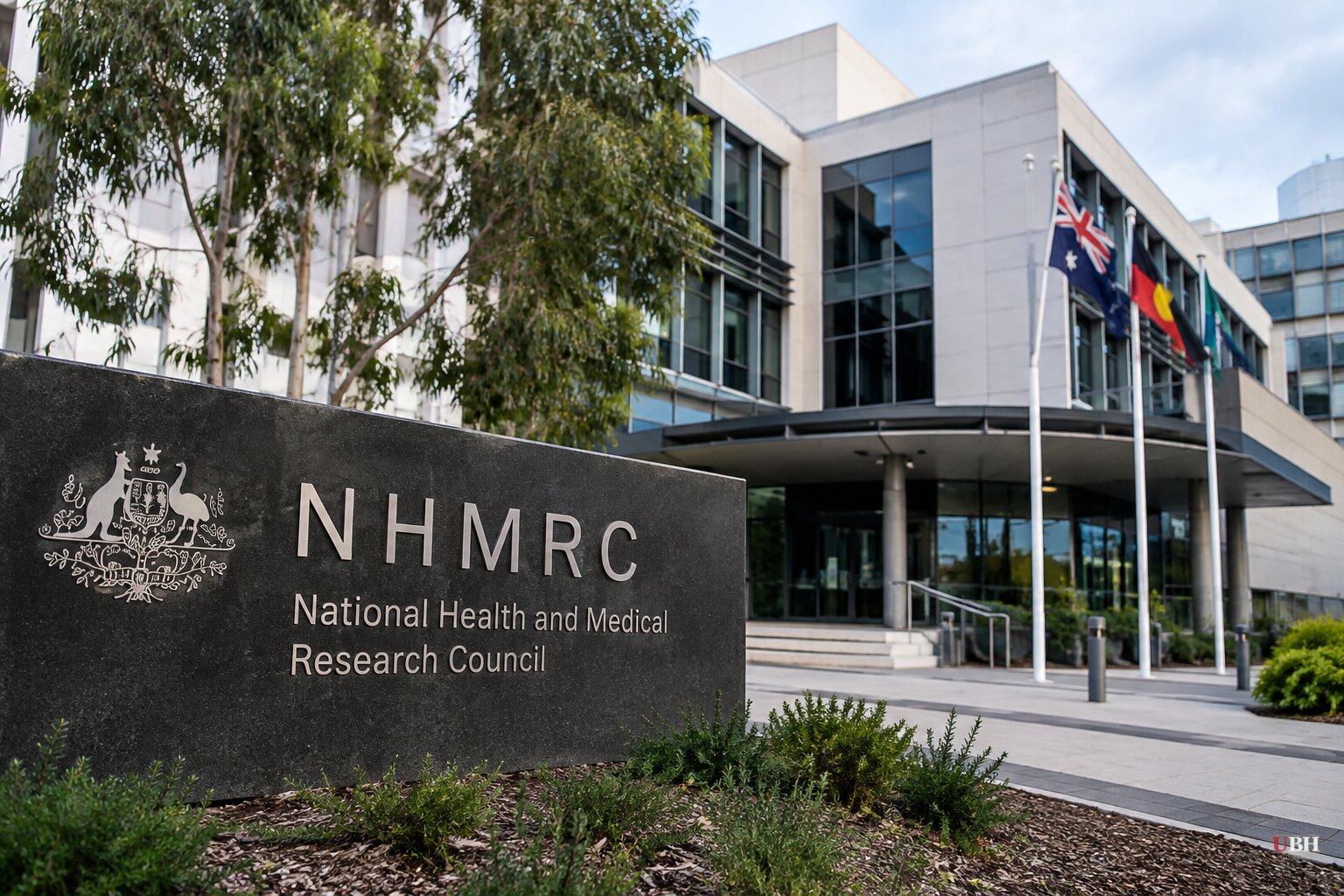
Australia's National Health and Medical Research Council (NHMRC) published interim advice today, Monday, Nov. 16, conditionally recommending puberty blockers for some young people with gender incongruence. The same advice describes the evidence behind that recommendation as low-certainty.
It is advice only. Queensland and the Northern Territory, whose public-hospital bans prompted the review, have already said they will keep their restrictions.
What the NHMRC actually recommended
The Gender Guidelines Development Committee made a "conditional recommendation." Under the GRADE system it used, that applies where shared decision-making is essential or where the overall certainty of evidence is low. The committee wrote: "Both are the case here."
The conditions are specific. The young person must have started puberty (Tanner stage 2 or later). They must be diagnosed with gender incongruence. And they must be assessed as suitable for treatment with gonadotropin-releasing hormone (GnRH) agonists.
The decision is to be made jointly by the young person, their parents or carers, and clinicians. The committee said whether a multidisciplinary team is involved "should be determined on a case-by-case basis."
The advice also says a young person does not need to be distressed about their gender incongruence to be treated. The council defines gender incongruence as a difference between a person's gender and their sex recorded at birth. It says this is "not a mental health disorder," though some young people also experience significant distress, known as gender dysphoria.
The "wait and see" finding
The council explicitly rejected "wait and see" as an alternative. It described that approach as withholding care that "can affect the young person's physical and mental health, wellbeing, and ability to function."
It also said published data indicates only a small number of young Australians are accessing this care, and that available evidence indicates serious adverse events are rare. It said young people should still be monitored for signs and symptoms.
NHMRC Acting CEO Prue Torrance said the guidelines are intended to support "careful, individualised clinical decision-making."
The politics
Health Minister Mark Butler asked the NHMRC in early 2025 to review the evidence and develop national guidelines, with puberty blocker advice prioritised. He did so after the UK's 2024 Cass Review fueled debate and after Queensland and the Northern Territory restricted the drugs in public hospitals.
At a Canberra press conference today, Butler said the new advice replaces 2018 guidelines that the NHMRC never endorsed. He called the area "complex and evolving" and said it involves young people who are "often quite vulnerable."
Asked why the NHMRC's position differs from the Cass Review, which found the evidence for the drugs too weak, Butler said Australia's models of care cannot be directly compared with the UK's. He added: "I'm not going to question the advice or make some sort of qualitative judgement about the advice of our most eminent clinicians."
Butler also said he cannot force the states and territories to lift their bans. Puberty blockers are typically prescribed off-label for trans young people and are not funded under the Pharmaceutical Benefits Scheme. He said that was unlikely to change.
Queensland and the Northern Territory have rejected the interim advice and vowed to maintain their bans or restrictions in the public system.
Who is cheering and who is not
The advice drew immediate praise from LGBTQ advocacy and clinical groups. Dr Stuart Aiken, medical director of Gender Health Australia, a Brisbane clinic founded in response to the Queensland ban, said the advice "makes an absolute joke of the Queensland government's decision to inappropriately ban gender affirming care for under 18s." He called it "the reverse Cass."
Equality Australia CEO Anna Brown said the advice shows the care being offered in Australia is grounded in evidence, and called on both jurisdictions to drop their bans. Nicky Bath, CEO of LGBTIQ+ Health Australia, called it an important validation of evidence-based clinical practice.
The opposing position rests on the evidence question. Critics of the treatment say it is experimental and potentially dangerous. The Cass Review reached its own conclusion that the evidence base was too weak. The NHMRC's own document concedes the overall certainty of evidence is low, a point the council says is why the recommendation is conditional rather than strong.
Those two readings sit side by side in the same document. The council reads low-certainty evidence plus rare serious adverse events plus the harms of waiting as grounds for a conditional yes. Critics read low certainty as grounds for caution.
What comes next
Public consultation on the interim advice is open until Jan. 18, 2027. The broader clinical guidelines, covering psychosocial support and the use and prescribing of hormone treatments, are expected to run into 2028.
The open question is whether the consultation or the final guidelines change anything in Brisbane or Darwin. For now, both governments have said no, and Butler says he has no power to make them.
Sources used for this briefing
7 links from 7 independent newsrooms (syndicated copies of the same report count once)
These are the sources it draws on, linked so you can verify.


