
Unbiased headlines. Facts, not spin.
Every story is an unbiased news briefing written from 110+ sources across the spectrum — sources linked so you can verify it yourself.
 energy
Low Interest (3/10)
July 15, 2026 at 07:14 AM
energy
Low Interest (3/10)
July 15, 2026 at 07:14 AM
Australia's Health Department Creates New Digital Chief Role After Years of IT Spending
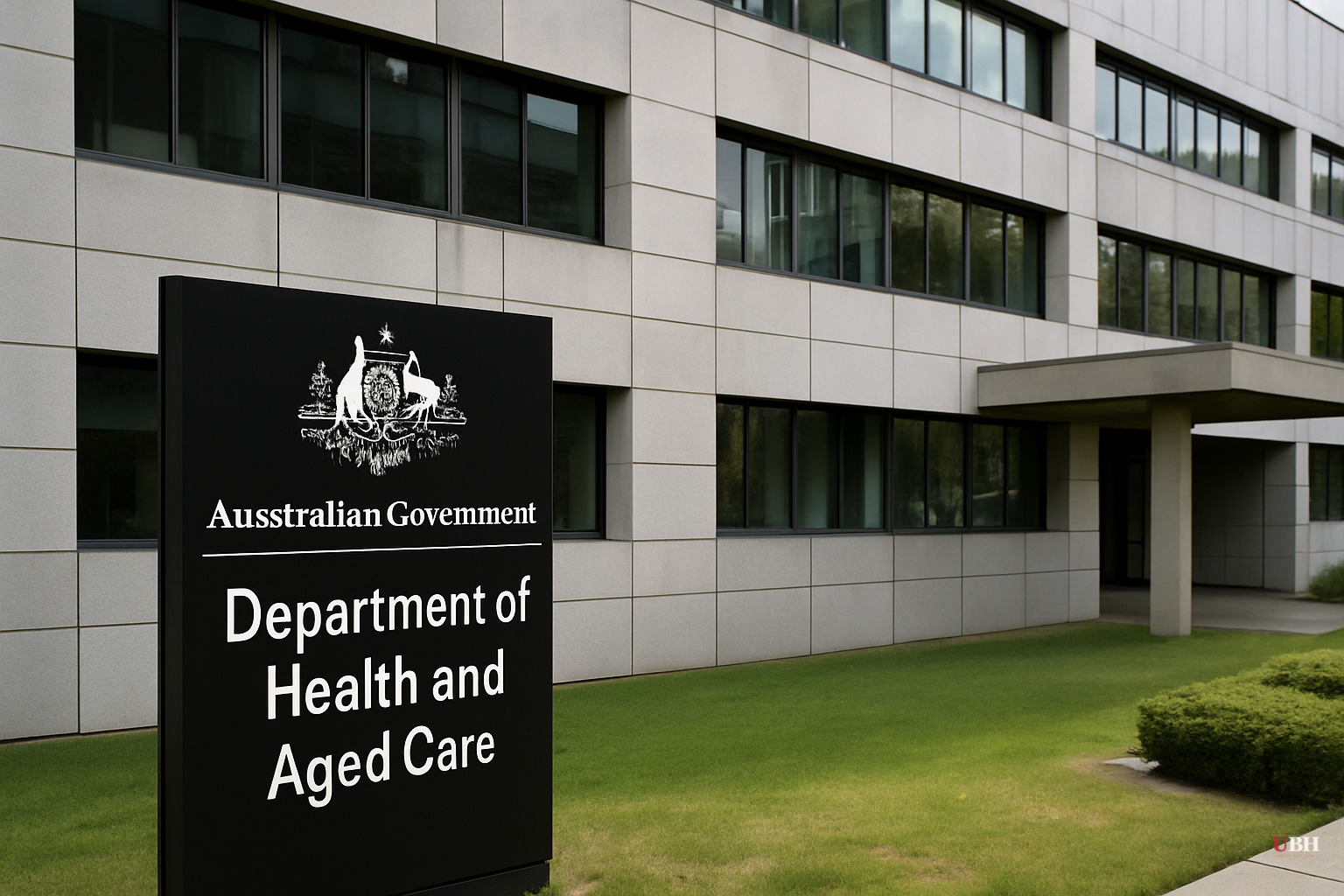
Australia's Department of Health and Aged Care is restructuring how it handles technology. The department is merging its separate IT and digital transformation units under a single new executive position: chief digital and information officer, or CDIO, according to iTnews.
The department is actively recruiting for the full-time role. Until someone is hired, Fay Flevaras, the department's first assistant secretary for digital transformation and delivery, will serve as acting CDIO, iTnews reported.
According to the job advertisement cited by iTnews, the new CDIO will lead "the modernisation of the Health and Aged Care digital ecosystem" and play a role in aligning digital tools with business objectives and policy outcomes. A department spokesperson told iTnews the role reflects "the focus on how government services are delivered to the public," citing growing demand for digital access.
The department also recently hired David Lang as its new chief information security officer, a position that will report directly to the CDIO once filled, according to iTnews.
Where the Money's Been Going
This isn't a small agency dabbling in tech upgrades. Health and Aged Care has been one of the top recipients of federal budget dollars earmarked for ICT infrastructure for three consecutive budget cycles: $312 million in the 2022 budget, $214.5 million in 2023, and $174.5 million in 2024, according to iTnews.
That's over $700 million in three years for infrastructure alone, before counting the contractor spending.
Earlier this year, the department awarded contracts to Accenture and Capgemini to support its transformation work. Those contracts now total $289 million and $83.3 million respectively, according to iTnews, meaning two consulting firms alone are pulling in more than $372 million combined.
Why This Started: A Royal Commission
The funding push traces back to the Royal Commission into Aged Care Quality and Safety, which delivered its findings in March 2021. That commission recommended sweeping IT overhauls across the aged care sector and pushed for digital technology adoption to improve resident care, according to iTnews.
Five years later, the department is still building out that response. Part of the ongoing work includes developing a data management framework, which a department spokesperson described to iTnews as a "foundational layer" meant to ensure compliance consistency across the department's in-development enterprise data and analytics platform.
That framework will also support data matching activities designed to catch incorrect or fraudulent Medicare claims, the spokesperson said. The department called it a "critical deliverable" for making sure data assets are used "appropriately and efficiently."
The Legitimate Case for Consolidation
There's a reasonable argument for centralizing digital leadership under one executive. Government IT projects notoriously fail when responsibility is split across silos with no single person accountable for outcomes. A unified CDIO reporting structure, with the CISO reporting up through that same chain, at least creates a clear line of accountability if projects go sideways or budgets blow out.
And catching Medicare fraud through better data matching is worth doing. Taxpayer money spent chasing fraudulent claims is money not spent on actual patient care.
The Legitimate Concern
Still, the numbers deserve scrutiny. Three consecutive budget allocations totaling over $700 million, plus $372 million in contracts to two consulting giants, is a lot of taxpayer money for a "transformation" that, five years after the Royal Commission's findings, is still standing up basic governance structures and hasn't yet finished its data management framework.
A reasonable taxpayer could look at that timeline and ask why a five-year-old mandate hasn't produced a finished product yet, and whether reorganizing the org chart again with a new C-suite title is progress or just another restructuring exercise. No source here provides a completion date, a total program budget ceiling, or a public accounting of what the Accenture and Capgemini contracts have delivered so far measured against their cost.
The department has not disclosed, in the material reviewed, specific performance metrics tied to the Accenture or Capgemini contracts, nor a projected date for the CDIO hire or the data management framework's completion. Those are the open questions worth tracking as this rolls forward.
Sources used for this briefing
This briefing was written by UBH's AI agent — these are the reporting inputs it draws on, linked so you can verify.


